
London, United Kingdom3 min read
Abbey Road Studios London: From Georgian Villa to Beatles Landmark
Abbey Road Studios on Google Maps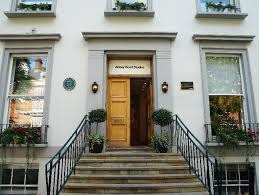
Abbey Road Studios London is a recording studio on Abbey Road in St John's Wood, near Lord's Cricket Ground. From the front, it appears to be a nine-bedroom Georgian villa built in 1831; behind it, a larger building occupies the former home's garden, containing three studios and a Beatles recording history that includes 190 of the band's 210 songs.
What is Abbey Road Studios London?
Abbey Road Studios is the recording establishment on Abbey Road, the thoroughfare running through St John's Wood in the boroughs of Camden and the City of Westminster. Abbey Road forms part of the B507 and is near Lord's Cricket Ground, placing the studios within a specific London street rather than treating the name as shorthand for the whole Beatles story.
The building's Georgian villa frontage dates to 1831 and gives little indication of the larger studio building constructed in the former home's garden. The name is connected with the nearby destroyed Kilburn Abbey, which explains why the recording studios and the road share the Abbey Road name.
How did Abbey Road Studios become famous?
Abbey Road Studios became a recording studio in 1929, and the site contained three studios. Studio 1 is described in the supplied tour material as the largest purpose-built recording studio in the world, with space for 100 musicians.
The Beatles made the establishment famous through the amount of their recorded work associated with it. Their manager, Brian Epstein, convinced producer George Martin to hire the studio, creating the setting for the band's first album recorded there in February 1963.
What music was recorded at Abbey Road Studios?
The Beatles recorded Please, Please Me at Abbey Road Studios in February 1963. The album featured “Love Me Do”, and the supplied material states that 190 of the Beatles' 210 songs were recorded at the studio, including 11 of their 13 albums.
The named examples include “Yesterday”, “She Loves You”, “A Hard Day's Night”, and “Come Together”. That list is only a selection of the recordings connected with Abbey Road Studios; the larger figure is what shows the scale of the studio's role in the Beatles' catalogue.
What are the three studios inside Abbey Road Studios?
Abbey Road Studios contained three distinct studios, each with a different association in the supplied account. Studio 1 is the largest and can accommodate 100 musicians. Studio 3 is the smallest and was used by Pink Floyd and Lady Gaga.
Studio 2 is especially associated with the Beatles. If you want to connect that studio history with a self-guided Beatles experience in London, London Beatlemania includes Abbey Road Studios as one of its stops.
Why is Abbey Road associated with a photograph as well as recordings?
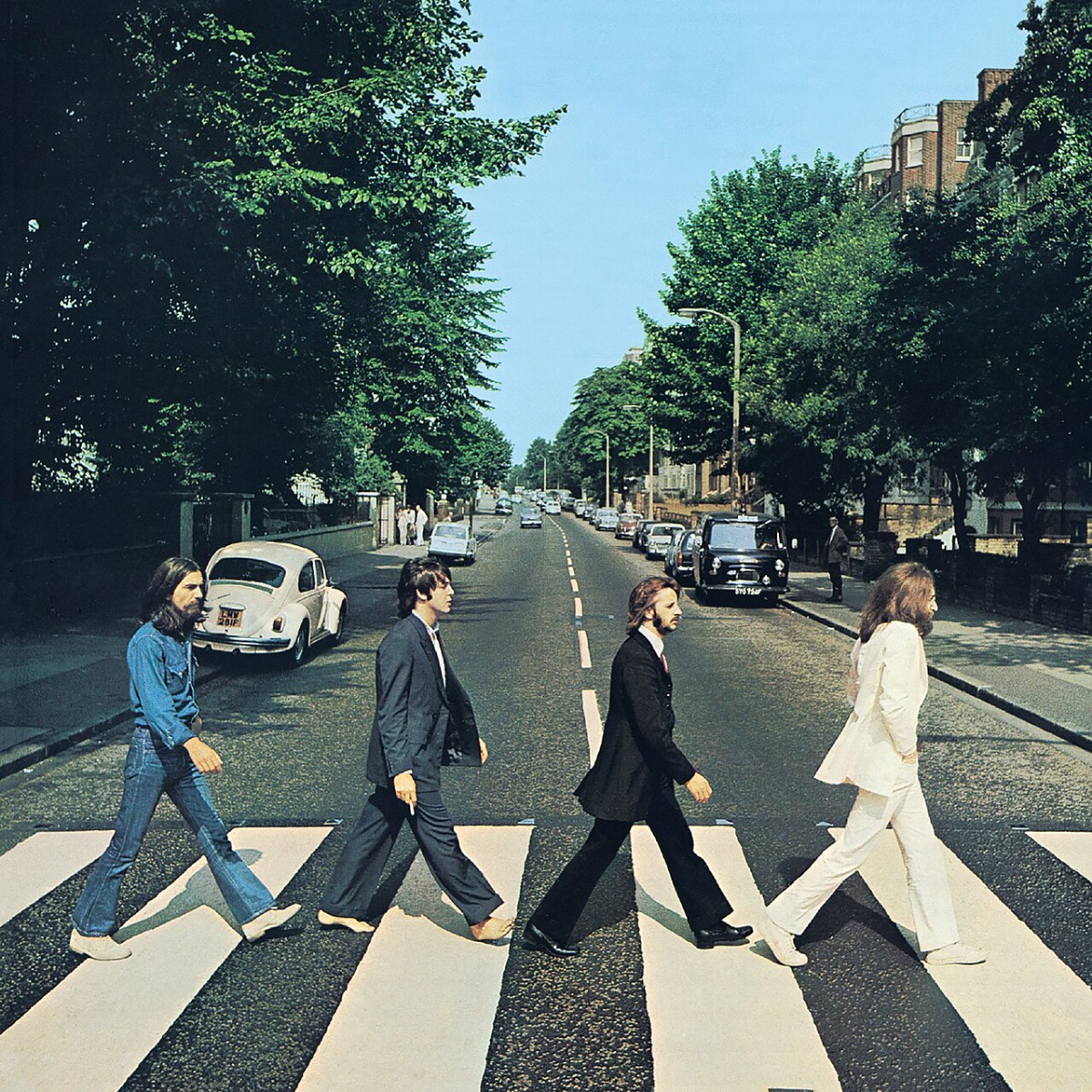
Abbey Road is best known both for Abbey Road Studios and for the thoroughfare appearing on the cover of the Beatles' album Abbey Road, released in September 1969. The supplied source distinguishes the road from the studio building: it is Abbey Road itself that featured on the cover.
That distinction matters when you place the landmark in context. The studio is known for the rooms where the Beatles recorded, while the road is known for its appearance on the album cover; together, those two specific associations explain why the name is recognised far beyond the recording industry.
How can you place Abbey Road Studios on a Beatles-themed walk?
London Beatlemania visits Abbey Road Studios as stop 1 of 9, giving you a sourced next step for exploring the establishment's Beatles connection. It is not presented here as an official Abbey Road Studios tour or as a promise of access to the studios.
Save the route or send it to the friend joining your London Beatles walk so you both have the Abbey Road Studios stop ready before you explore the rest of the experience.
The tour that visits Abbey Road Studios
Each one is a self-guided route you can start whenever you like.
London · 2h 45m
London Beatlemania
Discover Beatles history in London! Enjoy fascinating stories, visit iconic locations, and join a fun quest to find the missing song. Perfect for fans and curious explorers—this tour promises music, mystery, and unforgettable memories!
- places
- London
- Abbey Road Studios
- The Beatles
- Music landmarks
- Self-guided tours