
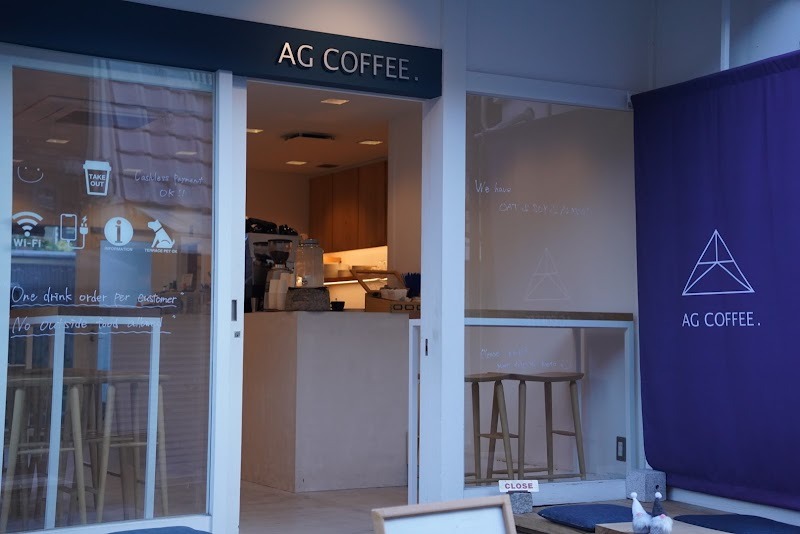
The first detail to notice at AG COFFEE. 銀閣寺 is the soft rustle of the noren curtains as you enter. This modern Kyōto café is presented within the city's older cultural setting, and its particular character is in the contrast: freshly ground coffee, polished wood and an espresso machine set against the contemplative rhythm of the surrounding Kyoto narrative. The café is visited by Kyoto's Kingly Keepsakes.
What is AG COFFEE. 銀閣寺, Kyōto?
AG COFFEE. 銀閣寺 is a modern café in Kyōto, described as a gentle interlude within the city's ancient narrative. The place-specific account focuses on coffee prepared in front of you and on the small details that make the interior worth pausing over, rather than on a broad sightseeing checklist.
The supplied place material does not include an address, opening hours or contact details. It identifies the café by name and describes its entrance and interior, so use those details to recognise the place and check current local information before planning a visit.
What should you notice inside AG COFFEE. 銀閣寺?
Start with the entrance: the noren curtains provide a tactile threshold before the coffee ritual begins. Freshly ground beans bring their aroma through the room while the barista works the espresso machine. The described soundscape is precise—steamy hisses from the machine and porcelain clinks around the counter.
Inside, look at the polished wood and the minimalist windows. Sunlight moves across the wood, creating changing shapes across the café rather than a fixed decorative backdrop. At the table, the wagashi is described as jewel-like, with colours as vibrant as a festival kimono. The source connects this sweet to Kyoto's confectionary tradition and calls it an edible haiku: a small detail to share with a travel companion who enjoys design-led café stops.
The café's everyday scene includes a student writing a heartfelt letter, a retiree considering the foam on her cappuccino, and the barista directing the espresso preparation. These are the specific figures described around AG COFFEE. 銀閣寺, giving the room a human scale alongside its carefully observed surfaces.
What makes AG COFFEE. 銀閣寺 part of Kyoto's café culture?
The source places Kyoto's café culture in the Showa era, from 1926 to 1989, when Western coffee rituals blended with Japanese aesthetics. AG COFFEE. 銀閣寺 is presented as continuing that blend through its espresso preparation, quiet observation, polished interior and wagashi served at the table.
The same description says the café stands on ground once trodden by samurai and poets. That is its cultural framing in the source, not a history expanded beyond the information provided. Save AG COFFEE. 銀閣寺 for the friend who likes noticing one memorable detail together—especially the wagashi and the changing sunlight on the polished wood—then follow Kyoto's Kingly Keepsakes, the interactive route that visits it.
The tour that visits AG COFFEE. 銀閣寺
Each one is a self-guided route you can start whenever you like.
Kyōto · 2h 15m
Kyoto's Kingly Keepsakes
Embark on a solo, immersive walking tour through Kyoto's eastern treasures. Begin at the iconic Ginkakuji Temple, sip artisan coffee at local cafés, stroll the cherry-blossom-lined Philosopher's Path, and explore hidden temples and shrines. Conclude with panoramic city views from Shogunzuka Mound. This one-day journey blends centuries of history, culture, and nature—perfect for solo travelers seeking a dramatic, contemplative adventure.
- places
- Kyōto
- AG COFFEE
- Ginkakuji
- cafes
- Japanese coffee culture