
Hiroshima, Japan3 min read
Atomic Bomb Dome: What the Surviving Steel and Walls Reveal
Atomic Bomb Dome on Google Maps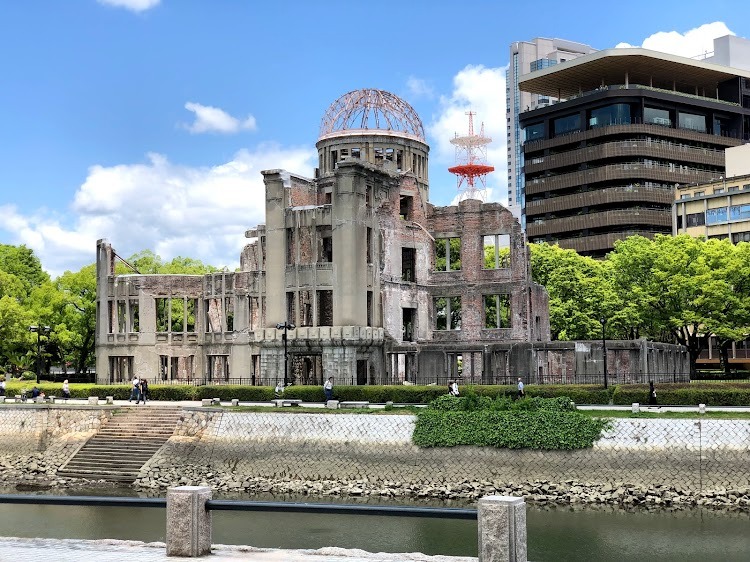
The Atomic Bomb Dome is the Hiroshima Peace Memorial, the surviving frame of the former Hiroshima Prefectural Industrial Promotion Hall in Hiroshima, Japan. Also known as the Genbaku Dome and A-Bomb Dome, it stands within Hiroshima Peace Memorial Park and was designated a UNESCO World Heritage Site in 1996.
What is the Atomic Bomb Dome?
The building's official name is the Hiroshima Peace Memorial. Its earlier identity explains the contrast between the civic purpose of the Hiroshima Prefectural Industrial Promotion Hall and the role its remains now hold within Hiroshima Peace Memorial Park.
The name “Atomic Bomb Dome” describes the structure visitors encounter today: not a complete hall, but a surviving frame whose damaged dome and walls have become one of Hiroshima's most recognisable reminders of the bombing and its aftermath.
What happened to the Hiroshima Peace Memorial?
On August 6, 1945, at precisely 8:15 AM, the first atomic bomb used in warfare detonated 600 meters above the site. The blast caused devastation across the surrounding city center.
The former hall's skeletal frame became a witness to the beginning of the nuclear age and the destruction of Hiroshima. The structure that remains is the surviving frame of what had once been the Hiroshima Prefectural Industrial Promotion Hall.
What can you see at the Atomic Bomb Dome?
The most striking feature is the building's haunting, skeletal silhouette. Its exposed steel dome, shattered walls, twisted beams, and crumbling brickwork make the force of the blast visible in the structure itself.
Only a few windows remain. Their open, damaged frames contribute to the building's stark appearance, with the surviving openings looking out across the decades since the bombing.
You can circle the Dome to observe these details from different sides: the exposed steel, broken walls, twisted beams, and sections of crumbling brickwork. The physical remains are central to the place's meaning; each scar points to both the destruction caused by the blast and the endurance of those who survived.
Why is the Atomic Bomb Dome a Hiroshima Peace Memorial?
The surviving structure stands as a reminder of the destruction and loss caused by the bombing. Its scars and exposed remains also represent endurance and the resilience of survivors.
That combination gives the memorial its continuing force. The damaged frame makes the consequences of nuclear warfare difficult to separate from the place itself, while its survival urges remembrance, reflection, and a future without nuclear weapons.
How can you experience the Atomic Bomb Dome in context?
For an independent visitor, the Hiroshima - War & Peace - Memorial, History, and Cultural tour places the Dome within a self-guided historical experience. The Atomic Bomb Dome is stop 4 of 8, where the tour material invites you to examine the surviving details and reflect on what the structure represents.
Send this page to someone planning a Hiroshima visit who wants more than a name on a map: the exposed steel, shattered walls, twisted beams, and remaining windows explain why this particular structure carries such weight. When you are ready to explore it with those details in mind, start with the Hiroshima historical memorial tour.
The tour that visits Atomic Bomb Dome
Each one is a self-guided route you can start whenever you like.

Hiroshima · 1h 50m
Hiroshima - War & Peace - Memorial, History, and Cultural tour
Walk through Hiroshima's living history on this immersive one-day tour. Explore the Peace Memorial Museum, poignant memorials, and the iconic Atomic Bomb Dome. Take in sweeping city views from Orizuru Tower, find serenity at Gokoku Shrine and Hiroshima Castle, and reflect in the tranquil Shukkeien Gardens. Experience stories of tragedy, resilience, and hope at every step.
- places
- Hiroshima
- Atomic Bomb Dome
- Peace Memorial
- Japan
- History