
Paris, France2 min read
Carnavalet Museum Paris: Bastille Keys in Two Historic Mansions
Carnavalet Museum on Google Maps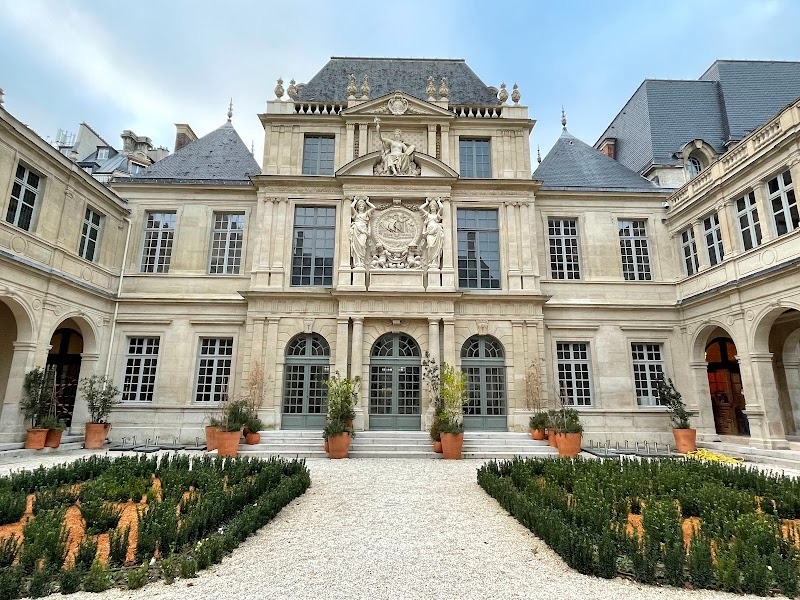
Carnavalet Museum Paris is the Musée Carnavalet, a museum dedicated to the history of Paris. It occupies two neighboring mansions—the Hôtel Carnavalet and the former Hôtel Le Peletier de Saint Fargeau—so its grand aristocratic setting is part of what makes the museum distinctive.
The museum is not housed in a single undifferentiated building. Its Paris history collection is spread across the Hôtel Carnavalet and the former Hôtel Le Peletier de Saint Fargeau, two historic townhouses brought together as one institution. That setting gives the museum a direct architectural connection to the city's past: the buildings themselves are part of the story the museum preserves.
What can you see at Musée Carnavalet?
Musée Carnavalet is especially memorable for its physical remains and relics connected with the French Revolution. The collection includes the original keys to the Bastille, salvaged from the fortress after its fall in 1789, as well as miniature wooden guillotines that were once sold as household trinkets and children's toys.
Portraits of Robespierre and Marat bring two of the Revolution's most recognisable figures into the collection, alongside the Declaration of the Rights of Man and of the Citizen. These objects connect political ideals with the material history of the period rather than presenting the Revolution only as a sequence of events.
The museum also holds furniture and personal effects associated with the Temple Prison, where the royal family was held. Among the most specific objects are Louis XVI's grooming kit and mourning jewelry linked to Marie Antoinette. Together, they document the collapse of the Old Regime and the radicalisation of daily life.
Look for Republican symbols recurring across the collection, especially the tricolor cockade and the Phrygian cap. They appear on objects including porcelain and jewelry, replacing royal iconography with symbols of the Republic. The 1789 French Revolution Grand Tour includes Musée Carnavalet as one stop on its ten-stop Paris route, making the museum a focused place to explore the Revolution's objects within the city's wider history.
How did the Carnavalet Museum become part of Paris?
The museum became a public institution in stages. On the advice of Baron Haussmann, the Hôtel Carnavalet was purchased by the Municipal Council of Paris in 1866. The Hôtel Carnavalet opened to the public in 1880.
By the latter part of the 20th century, the museum was full to capacity. The former Hôtel Le Peletier de Saint Fargeau was then annexed to the Carnavalet and opened to the public in 1989. That expansion explains why the museum's identity is tied to two neighboring mansions rather than one building: its present form grew from the need to accommodate the history of Paris in a larger setting.
If you want to encounter the French Revolution through a self-guided exploration of Paris, follow the 1789 French Revolution Grand Tour and include its Musée Carnavalet stop in your plans.
The tour that visits Carnavalet Museum
Each one is a self-guided route you can start whenever you like.
Paris · 2h 55m
1789 French Revolution Grand Tour
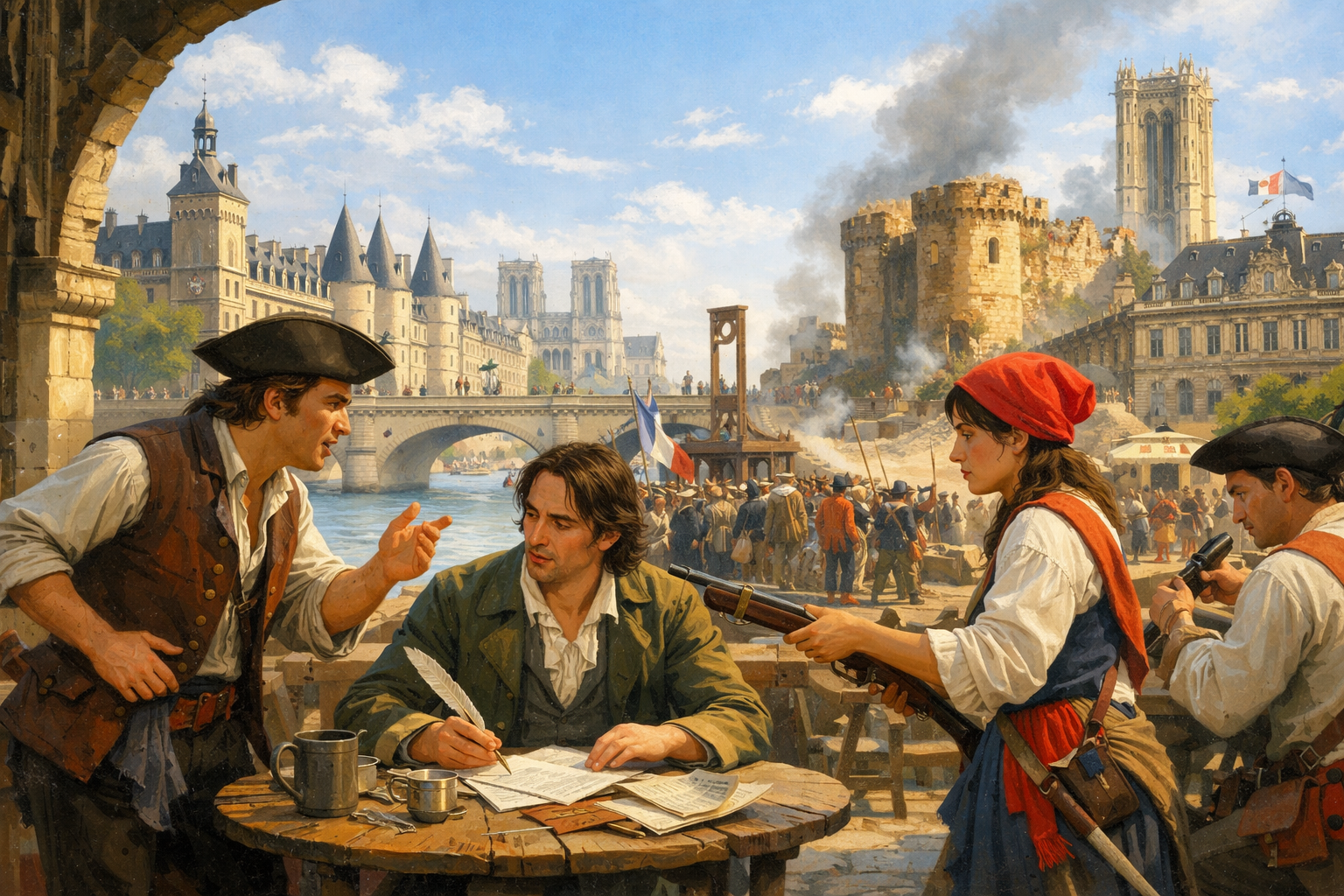
Trace the radical pulse of Paris from the first sparks of 1789's revolution. Hunt ground markings and relics of revolution as you cross bridges, palaces, and prisons. Discover how Paris's architecture became both witness and weapon in the making of modern liberty.
- places
- Paris
- Musée Carnavalet
- French Revolution
- Paris museums