
Bucharest, Romania2 min read
Casa Capșa Bucharest: History of a Historic Café and Restaurant
Casa Capșa on Google Maps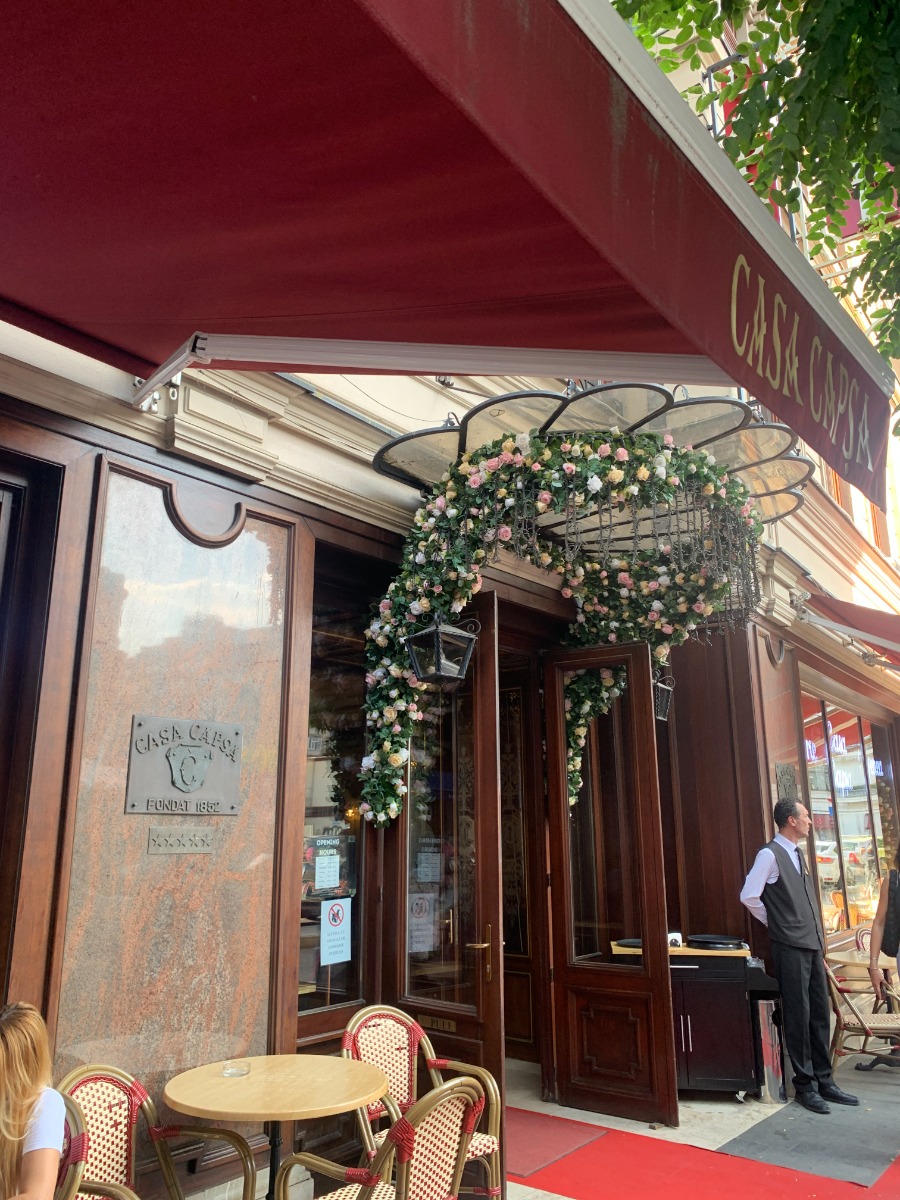
What is Casa Capșa in Bucharest?
Casa Capșa is a historic restaurant in Bucharest, Romania, first established in 1852. It became known for exquisite pastry products and a lively literary culture, while at different times also including a hotel. Its broader identity is that of a Bucharest institution where food, coffee, writing and public life came together.
The café opened in 1852 and became associated with what one source calls a hectic literary life of yore. That combination of restaurant, café and pastry house made Casa Capșa more than a place to eat: it became a recognised symbol of Bucharest for its inhabitants.
Why is Casa Capșa important to Bucharest's history?
Casa Capșa is important because its café became a centre of Bucharest's intellectual and political life. Romanian writers could meet, talk and associate there, giving the marble-topped tables a role in the city's cultural history as well as its café culture.
Ion Minulescu was one of the writers associated with the café. The tour material describes him as a bohemian poet and novelist, remembered for his flamboyant scarves as well as his writing. Liviu Rebreanu was also linked with Casa Capșa and is associated with the novel Ion; the account describes him writing at the café.
The café also attracted ministers and monarchs, including King Carol II. Their presence placed Casa Capșa at the intersection of literary conversation and political life. The source describes the tables as a setting for conversations that could move from scandalous affairs to clandestine political plots, reinforcing the café's reputation as a meeting place for Romanian writers and public figures.
What should you notice about Casa Capșa?
Start with the ornate façade and the marble-topped tables described in the route material. These details connect the physical place with Casa Capșa's documented role as a café where writers, ministers and monarchs met.
Casa Capșa's distinctive identity also rests on pastry. The Capșa family are credited in the source with creating the Joffre cake for a French general. The detail captures the place's unusual combination of pastry innovation, strong coffee, literary conversation and political intrigue.
One story should be treated as reported rumour rather than independently verified fact: the tour account says that Rebreanu supposedly stormed out after an argument about censorship, leaving an unfinished manuscript behind as a silent protest. Whether or not the episode happened exactly that way, it belongs to the collection of literary associations attached to Casa Capșa.
How can you encounter Casa Capșa while exploring Bucharest?
Casa Capșa is stop 1 of 11 on Life in Interbelic Bucharest: From Salons to Streets. Use that self-guided route to encounter the ornate façade while following the place's documented literary and political associations. Casa Capșa is one stop within the route, not a description of its full extent, so let the site introduce you to the wider Bucharest context rather than treating it as the endpoint.
The tour that visits Casa Capșa
Each one is a self-guided route you can start whenever you like.
Bucharest · 2h 40m
Life in Interbelic Bucharest: From Salons to Streets
Explore the glamour and grit of interwar Bucharest, where poets and politicians clashed in cafés, spies whispered in hotel lobbies, and modernity soared above cobbled streets. This immersive walking tour guides you through iconic salons, literary battlegrounds, and sites of quiet revolution, revealing the city's vibrant culture between the World Wars. Perfect for history buffs, literature lovers, and curious wanderers.
- places
- Bucharest
- Casa Capșa
- Romanian history
- literary cafés
- city exploration