
Verona, Italy2 min read
Casa di Giulietta Verona: History, Juliet and the Balcony
Casa di Giulietta on Google Maps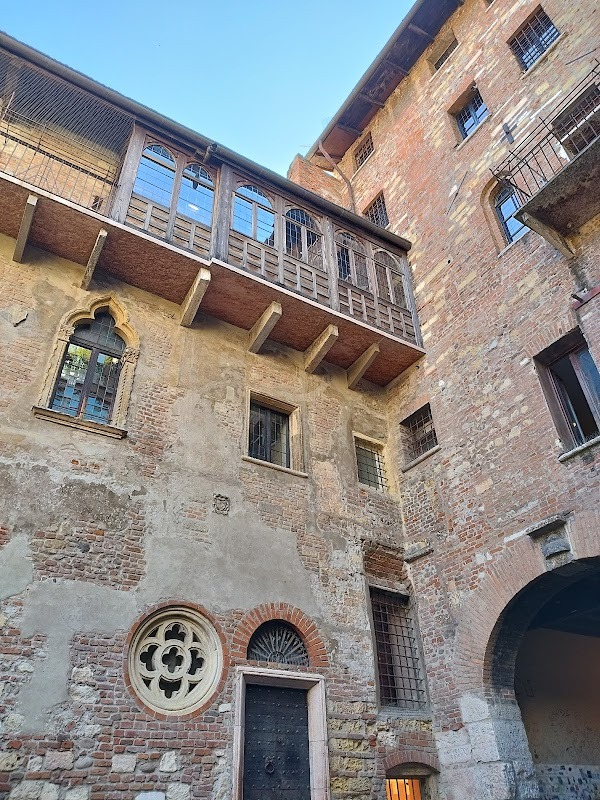
Casa di Giulietta Verona is a medieval building dating primarily to the 13th and 14th centuries, later associated with Shakespeare's Juliet through literary tradition. The building has long been linked with the Cappello family, whose coat of arms remains identifiable on the structure, but there is no historical evidence that Juliet existed.
That distinction explains the place: the building is historical, while its identity as Juliet Capulet's home belongs to the development and popularity of the Romeo and Juliet legend.
What is Casa di Giulietta Verona?
Casa di Giulietta is a medieval building connected with the Cappello family and subsequently presented as the symbolic home of Juliet Capulet. The Cappello association comes from the building's historical record, including the family's identifiable coat of arms on the structure.
Juliet Capulet, by contrast, is the fictional female protagonist of William Shakespeare's romantic tragedy Romeo and Juliet. Shakespeare's Juliet is a 13-year-old member of the Capulet family who falls in love with Romeo, whose Montague family is involved in a blood feud with the Capulets. The character's connection with this building is literary, not evidence that she lived there.
Why is Casa di Giulietta associated with Juliet?
Casa di Giulietta became associated with Juliet because writers had placed the Romeo and Juliet story in Verona before Shakespeare wrote his play. Luigi da Porto was among the writers who used Verona, its local noble families and its settings to create a believable backdrop for rivalry and forbidden love.
That earlier literary tradition gave the building a plausible role in the story's imagined geography. As the popularity of Shakespeare's play grew, Casa di Giulietta gradually became the symbolic location of Romeo and Juliet's secret meetings and declarations of love. The association reflects the power of the literary tradition; it does not establish that the characters were historical residents of the building.
Was Casa di Giulietta's balcony part of the original story?
No. The famous balcony was added during restorations in the early 20th century, and its design was inspired by descriptions from theatrical tradition rather than historical documents.
The balcony therefore belongs to the later physical shaping of the Romeo and Juliet legend. It helps define how the story is represented at Casa di Giulietta, but it is not evidence of Juliet's historical home or of a documented event involving the fictional characters.
Casa di Giulietta is stop 3 of 7 on the Romeo and Juliet Verona Tour, which places the building within Verona's wider literary tradition without confusing that tradition with the site's medieval history.
The tour that visits Casa di Giulietta
Each one is a self-guided route you can start whenever you like.
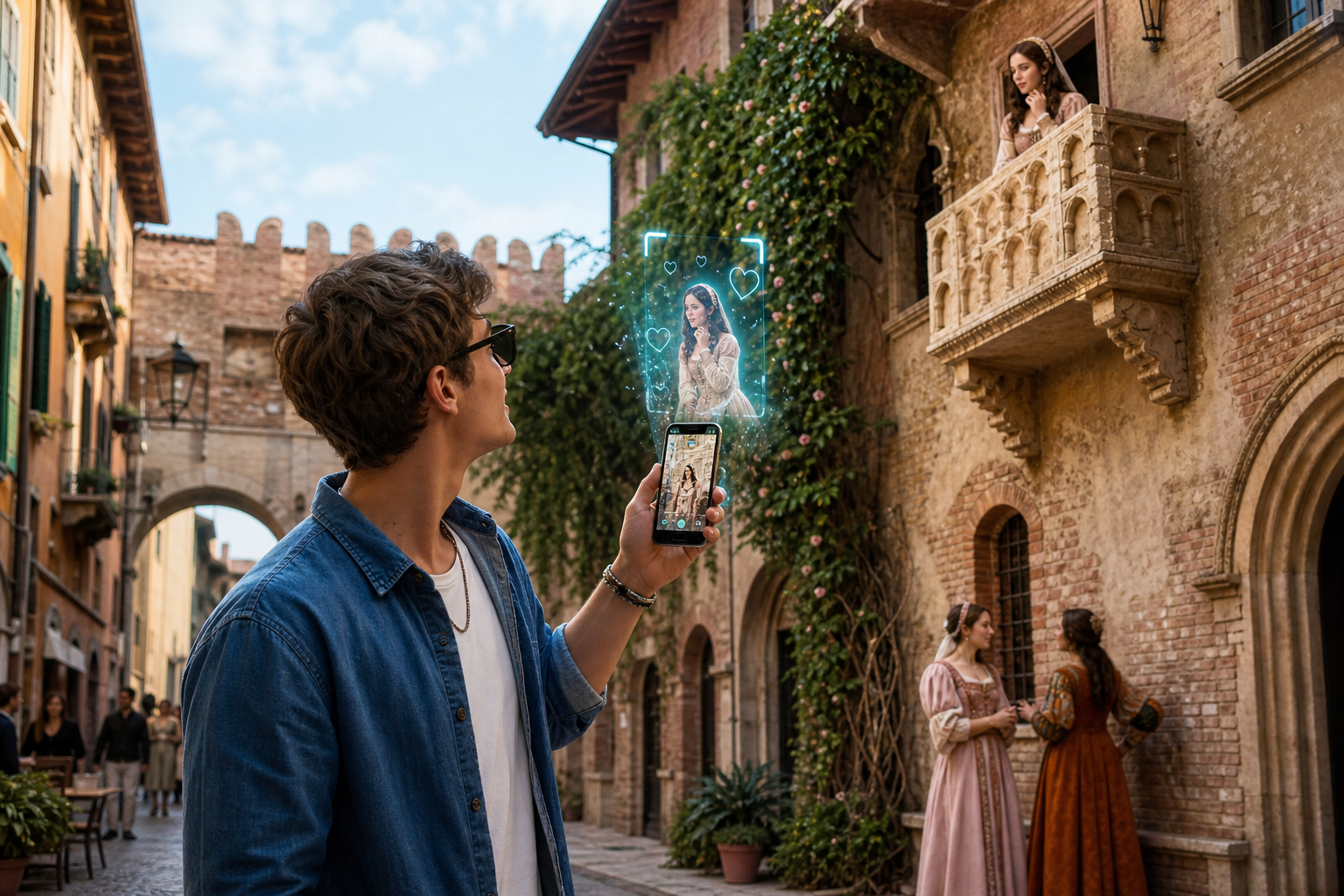
Verona · 1h 15m
Romeo and Juliet Verona Tour
Walk in the footsteps of Romeo and Juliet on this immersive self-guided tour of Verona. Discover medieval houses, legendary balconies, and ancient tombs as you unravel the real history and enduring myths behind the world's most famous love story. Perfect for romantics, literature lovers, and curious explorers alike!
- places
- Verona
- Casa di Giulietta
- Romeo and Juliet
- Juliet's balcony
- Verona history