
Brisbane, Australia3 min read
Commissariat Store Brisbane: History and Significance
Commissariat Store on Google Maps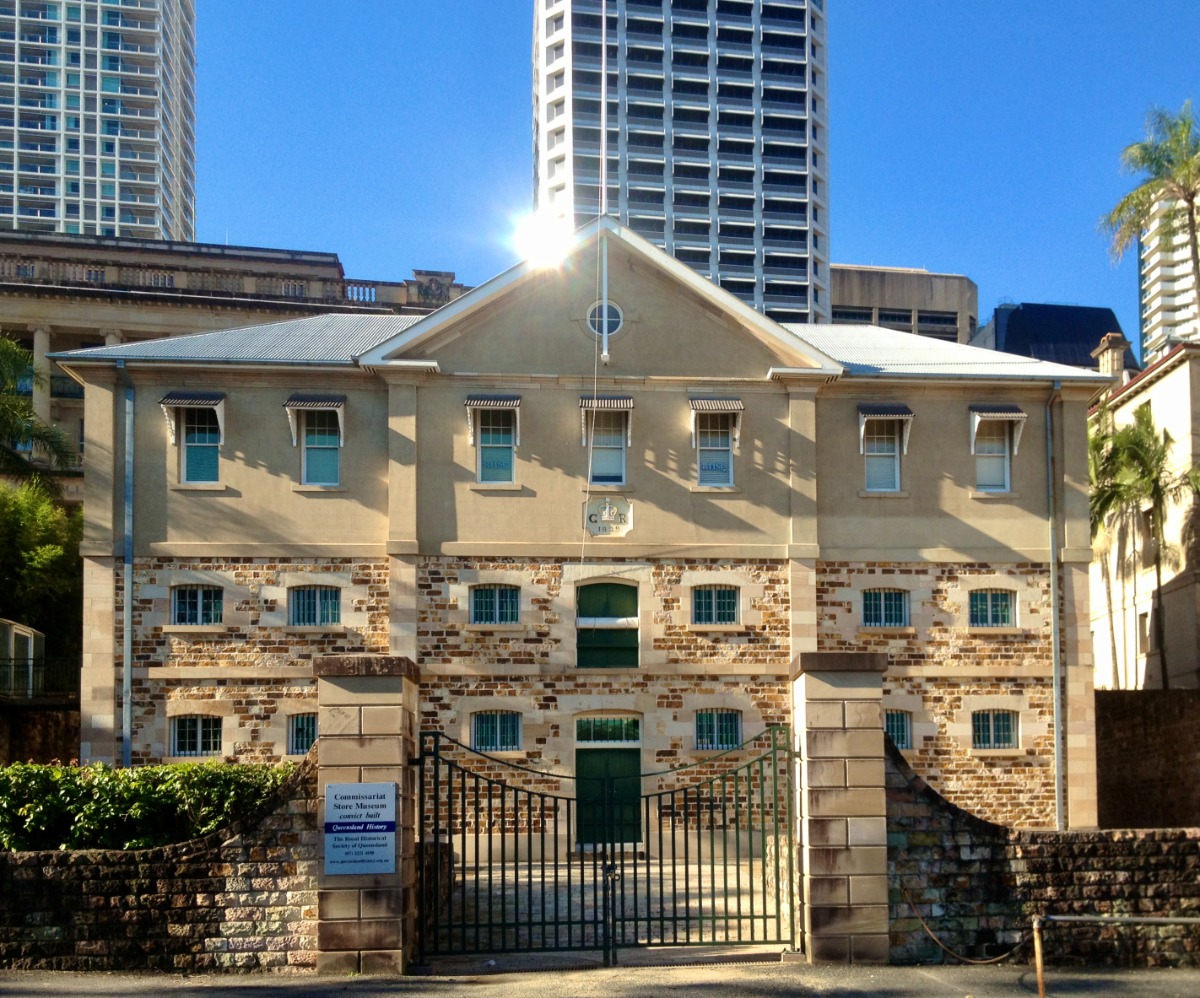
The Commissariat Store Brisbane is a heritage-listed storehouse at 115–127 William Street in Brisbane City. Built for the Moreton Bay penal settlement, it is bordered by William Street, Queen's Wharf Road and the Brisbane River, and is described as the birthplace of Queensland.
What is the Commissariat Store Brisbane?
The Commissariat Store is also known as Government Stores, the State Stores Building and the Colonial Store. It was added to the Queensland Heritage Register on 21 October 1992, recognising the importance of a building that served as a storehouse and remained connected to colonial governance across changing eras.
Its place in Brisbane's convict-era history is explored as stop 6 of 8 on the Convict & Colonial Brisbane tour. The building matters not simply because it survives, but because its construction and changing uses record the development of the Moreton Bay settlement and the wider colony.
Why was the Commissariat Store built?
The Commissariat Store was built from 1828 to 1829 as a permanent storehouse for the Moreton Bay penal settlement. William John Dumaresq designed it, and convict labour carried out the construction under the direction of Captain Logan, also identified in the tour material as Captain Patrick Logan.
Its original purpose was practical and essential: the store held and distributed supplies to the Moreton Bay Penal Settlement. The construction itself was part of the convict system. Some of the harshest offenders were put to work cutting into the tough phyllite rock of William Street, tying the building directly to the labour and punishment that shaped the early settlement.
What materials can you notice in the building?
The Commissariat Store was built with materials sourced from places around Brisbane and beyond. Brisbane Tuff, a pink and green volcanic stone, came from Kangaroo Point. Mortar lime was made from burnt oyster shells at Amity on Stradbroke Island, while sandstone was sourced from Oxley Creek.
These materials make the building a physical record of its surroundings as well as its construction. Kangaroo Point, Stradbroke Island and Oxley Creek were not distant names added to a later history: their stone, shells and sandstone became part of the storehouse built for the penal settlement.
How did the Commissariat Store's role change?
For nearly 130 years, the Commissariat Store remained central to colonial governance while adapting to different eras. As free settlers arrived in the mid-1800s, the second floor became temporary immigrant housing. That accommodation had a separate entrance from the storerooms below, keeping the residential use distinct from the building's supply function.
The building was renamed the Government Store in 1901. In 1913, it became home to Queensland's first electric lift. When the last state stores moved out in 1961, the building entered a period of mixed use that included archives, government offices and storage for the State Library. These documented changes show how one storehouse was repeatedly adapted as Queensland's institutions and needs changed.
Where is the Commissariat Store in Brisbane?
The Commissariat Store is at 115–127 William Street, Brisbane City. It stands beside William Street, Queen's Wharf Road and the Brisbane River, making those three boundaries the clearest practical orientation for finding the building.
To encounter this part of Brisbane's convict and colonial history in person, follow the Convict & Colonial Brisbane route, which includes the Commissariat Store among its stops.
The tour that visits Commissariat Store
Each one is a self-guided route you can start whenever you like.
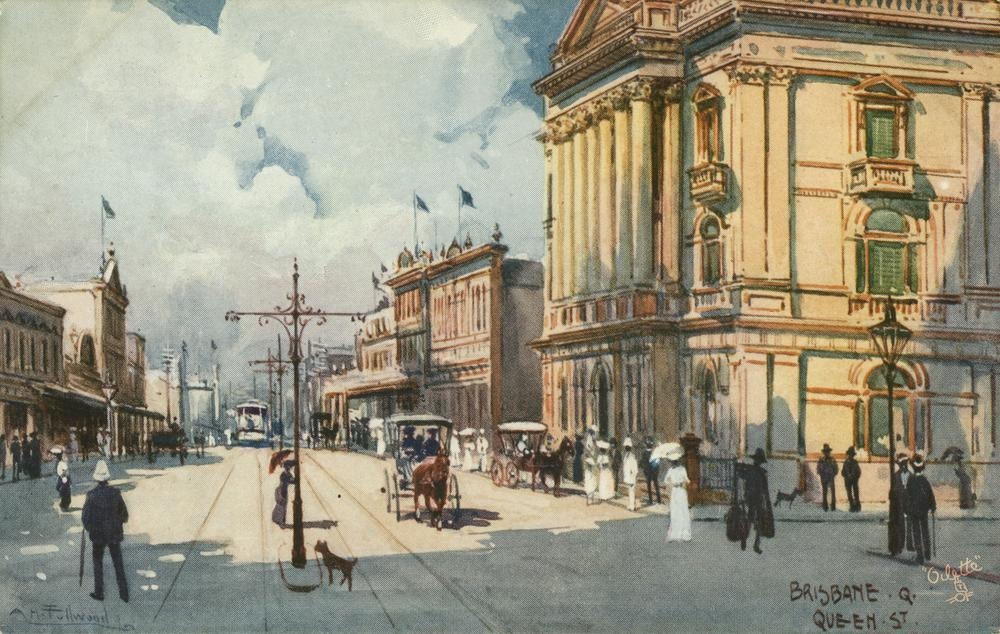
Brisbane · 1h 40m
Convict & Colonial Brisbane
Discover the hidden stories of Brisbane's dark past on this immersive tour. Walk in the footsteps of early convicts, explore historic sites, and learn about the harsh realities of life under penal settlement rule. Uncover the legacy of convict labor etched into the city's fabric. A journey through Brisbane's convict history like never before!
- places
- Brisbane
- Queensland history
- heritage buildings
- convict history