
Iga, Japan3 min read
Danjiri Museum Iga: Festival Floats and Hidden Design
Danjiri Museum on Google Maps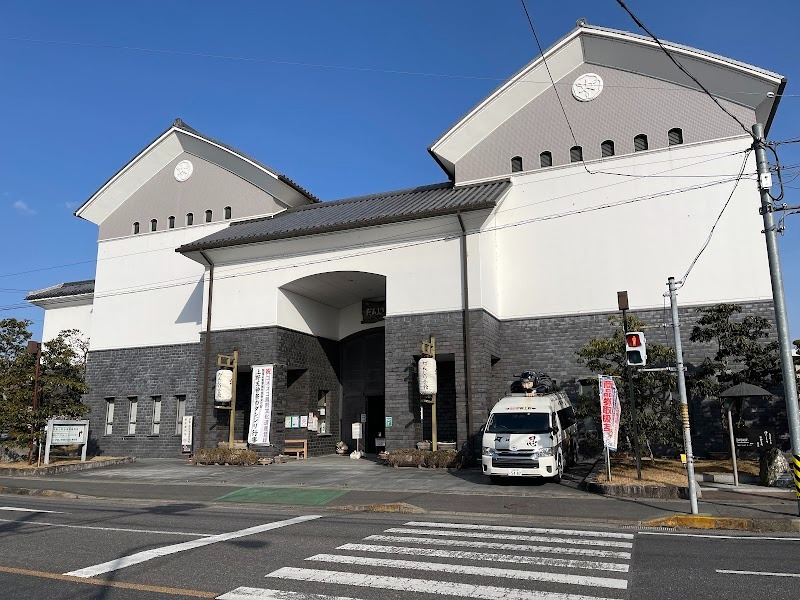
The Danjiri Museum in Iga, also described as the Danjiriyama Museum, is a place where grand festival floats called danjiri are displayed. These surviving festival objects connect traditional celebration and craftsmanship with the ninja history associated with Iga, giving the museum a more specific character than its name alone suggests.
The museum's danjiri are presented as objects to examine closely: their visible construction matters, but so do the practical features that the source associates with some floats. That combination is what distinguishes this Iga attraction from a display concerned only with decoration.
What is the Danjiri Museum in Iga?
The Danjiri Museum is an Iga museum devoted to grand festival floats and the traditions, ingenuity and historical setting attached to them. The floats stand as surviving objects connected to festival practice, while the museum's Iga context links their public role with stories of concealment and movement from the ninja era.
The name Danjiriyama Museum is also used in the source material. That name is useful to recognise when you are looking specifically for the Iga attraction, rather than assuming that every danjiri museum refers to the same collection or place.
What should you look for inside the Danjiri Museum?
Start with the most elaborate float and examine its woodwork. The source describes it as a marvel of craftsmanship and ingenuity, so the detail to notice is not simply the float's size or decorated surface, but the skill expressed in how its parts are made and arranged.
Look beyond the visible ornament, too. Some danjiri are described as containing hidden trapdoors, compartments and even primitive communication devices. The wording matters: these features belong to some floats, not necessarily every object in the museum. They make the collection worth reading as both festival craftsmanship and concealed practical design.
You can encounter these details as part of Iga's Incredible Immersion, whose route includes the Danjiri Museum among its stops. The route's museum material directs attention to the elaborate float and the hidden mechanisms rather than treating the building as a generic attraction.
How are the danjiri connected to Iga's ninja history?
The connection comes through a specific historical lens: the source sets its account in 1581, when Oda Nobunaga's spies are described as moving through Iga during a period of samurai surveillance. Within that account, Iga ninja could use festival masks and clothing to blend into crowds.
In the same account, masks could conceal or carry hidden scrolls and medicinal herbs. Festival activity therefore becomes a setting where disguise, movement and hidden objects could work together. This is a way of interpreting the danjiri's place in the source material, not a claim that every object in the museum records a particular ninja episode.
The museum's concealed-design details make that connection especially concrete. Trapdoors, compartments and primitive communication devices give the festival floats a practical dimension alongside their public, celebratory function. The Iga route that visits the museum uses that tension between spectacle and secrecy as a reason to inspect the floats carefully.
Why does the Danjiri Museum matter as a cultural place?
The Danjiri Museum matters because its festival objects can be read in two ways at once: for their visible woodwork and for the concealed practical features described in the source. The result is a focused meeting point between float construction, festival tradition and ninja-era ingenuity.
For wider context, the cited Wikipedia page lists 342 of Japan's Important Intangible Folk Cultural Properties. That figure does not establish that the Danjiri Museum or its danjiri are included on the list; it simply places Japanese folk cultural traditions within a broader national context.
The Danjiri Museum's distinctive appeal lies in seeing how celebration and covert activity are brought together in the source material. To encounter that combination through a self-guided route, follow Iga's Incredible Immersion to the museum.
The tour that visits Danjiri Museum
Each one is a self-guided route you can start whenever you like.

Iga · 1h 5m
Iga's Incredible Immersion
Embark on a self-guided adventure through Iga, the legendary birthplace of the Iga-ryū ninja. Explore secret-filled castles, tranquil parks, poetic shrines, and vibrant museums. Uncover the hidden history of ninja, samurai, and artisans as you weave through cherry blossoms, ancient walls, and festival revelry. Will you blend in like a true shinobi, or stand out as a legend in your own right?
- places
- Iga
- Danjiri Museum
- Iga ninja history
- Japanese festival floats
- cultural attractions