
Istanbul, Turkey3 min read
Fener Istanbul: History, Architecture and What to Notice
Fener on Google Maps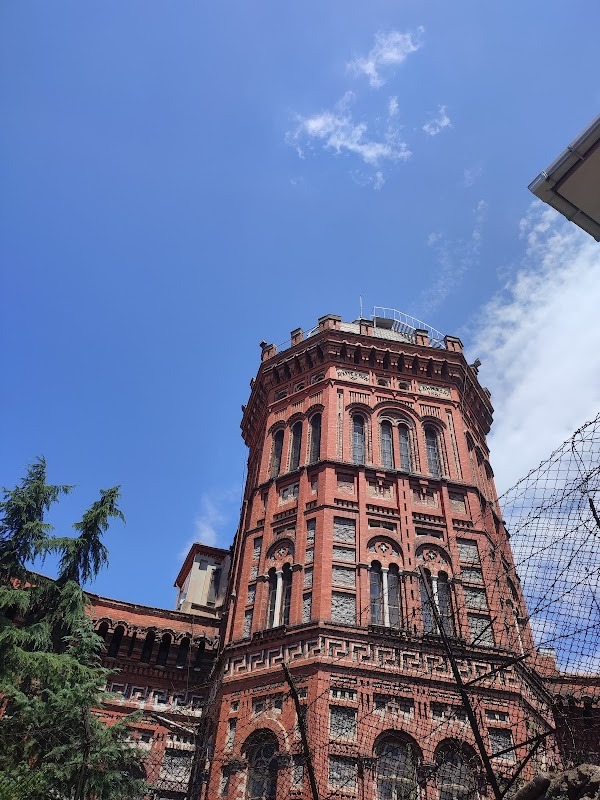
Fener, also spelled Phanar, is a quarter midway up the Golden Horn in Istanbul’s Fatih district. It sits on the southern bank of the Golden Horn and is known for the Greek, Armenian and Jewish communities whose legacies remain visible in its streets, buildings and religious landmarks.
The name Fener comes from the Greek word “phanarion”, meaning lantern, streetlight or lamppost. In the Byzantine period, a column topped with a lantern stood here and served as a street light or lighthouse, giving the neighborhood its name.
Why is Fener historically important?
Fener was a residential quarter in Byzantine Constantinople, and its history is closely tied to the communities that lived there. Greek, Armenian and Jewish residents left legacies that remain part of Fener’s built environment, making the neighborhood a particularly concentrated record of Istanbul’s changing urban life.
Fener’s position helped preserve that continuity. During the siege of 1453, the quarter lay outside the fiercest fighting, so many structures were spared while much of the city was left in ruins. The neighborhood therefore retained a connection to earlier urban life rather than being entirely remade by the conquest.
After the Ottoman conquest, Fener became a center of Greek Orthodox culture in Istanbul, particularly after the Ecumenical Patriarchate relocated there in the late 16th century. It also became associated with the Phanariots: Greek elites from Fener who rose to prominence as interpreters and diplomats, and who became rulers of Wallachia and Moldavia. Their influence reached beyond Istanbul into the political and cultural life of the Balkans.
The Constantinople Siege 1453 tour includes Fener as part of its account of the city’s transformation around the siege and its aftermath, while keeping the neighborhood’s own layered identity in view.
What should you look for in Fener?
Look first at Fener’s winding cobbled lanes. Their irregular paths form a visible part of the quarter’s character, connecting façades and surviving landmarks shaped by different periods of Istanbul’s history.
Fener’s architecture is a palimpsest: Byzantine stonework sits alongside Ottoman domes and arches, while 19th-century neoclassical details add another distinct layer. Pastel-hued mansions, hidden churches, decorative ironwork and balconies are the specific details that make this layering readable as you move through the neighborhood.
These features are not separate decorative styles gathered in one place by accident. They reflect Fener’s Greek, Armenian and Jewish legacies, as well as the cosmopolitan residents who shaped the quarter. A mansion, church façade or balcony can therefore be read as part of the neighborhood’s longer pattern of continuity, adaptation and cultural change.
How can you explore Fener?
Explore Fener on foot, paying attention to the relationship between its cobbled lanes, pastel façades and surviving traces of the communities that lived there. The quarter rewards a slower look at architectural details: Byzantine stonework, Ottoman forms, neoclassical flourishes and ornate ironwork often appear within the same compact urban landscape.
Fener is stop 6 of 8 on the Constantinople Siege 1453 route, so you can encounter the neighborhood as one part of a broader, interactive walk through the city’s siege-era history without treating Fener as the route’s endpoint.
The tour that visits Fener
Each one is a self-guided route you can start whenever you like.
Istanbul · 3h 45m
Constantinople Siege 1453
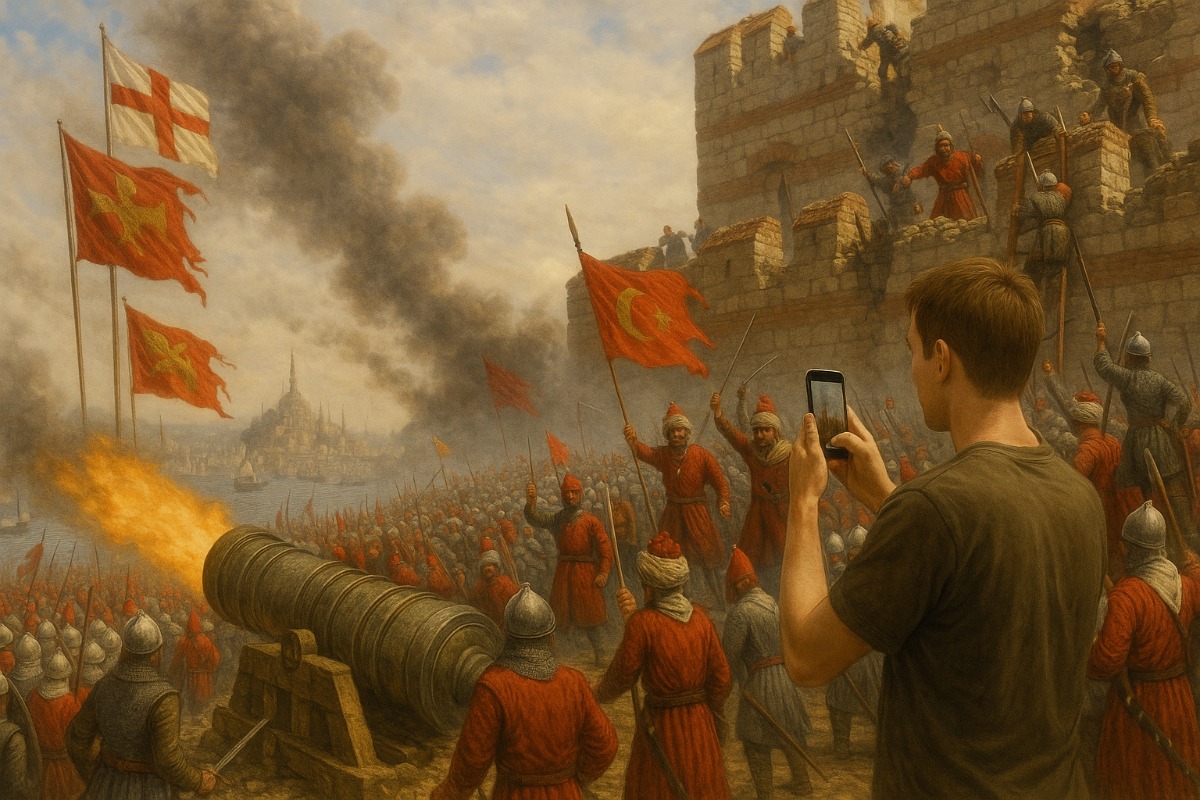
Step into the shoes of an Ottoman soldier and journey through the dramatic final hours of Constantinople in 1453. Explore legendary sites from the Theodosian Walls to Hagia Sophia, uncovering stories of heroism, intrigue, and transformation that shaped modern Istanbul.
- places
- Istanbul
- Fener Istanbul
- Istanbul history
- Golden Horn
- Fatih
- Phanar