
Kumamoto, Japan2 min read
Former Hosokawa Gyobu Residence Kumamoto
Former Hosokawa Gyobu Residence on Google Maps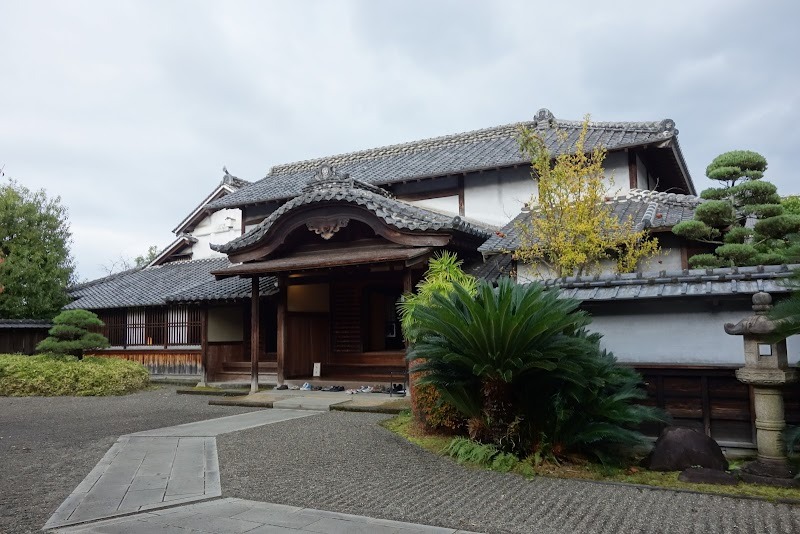
The Former Hosokawa Gyobu Residence Kumamoto is a grand 17th-century residence, built around 1646, that served as the noble seat of the Hosokawa clan. Its distinctive tension is still clear in the description: this was a place associated with political councils and decisions about the domain, yet it also has tranquil gardens, a koi pond and quiet garden stones. The residence is also known as Former Hosokawa Residence (Gyobutei).
What is the Former Hosokawa Gyobu Residence in Kumamoto?
The Former Hosokawa Gyobu Residence is the former noble residence of the Hosokawa family, a Japanese samurai kin group. In the Edo period, the Hosokawa were one of Japan's largest landholding daimyo families. The tour material states that the family ruled here for over 240 years, giving Gyobutei a direct connection to the long political presence of the clan in Kumamoto.
What should you notice at Gyobutei?
At Gyobutei, focus on the elements that define the residence account: sliding doors, tatami-mat interiors, wide breezy corridors and hidden nooks. These details make the building feel designed around movement, privacy and observation, while keeping your attention on the physical character of the house rather than on a general description of samurai architecture.
The gardens provide a different register. Their tranquillity extends to a koi pond, described as so still that even the koi hesitate to ripple it. The garden stones are presented as quiet, watchful presences, “listening” with the patience of old monks; that is poetic imagery, but it offers a useful detail to look for among the residence's outdoor features. The Kumamoto's Kinmasa's Kingdom route includes Gyobutei as stop 7 of 8.
What happened at the Former Hosokawa Residence?
The residence account attributes several kinds of activity to Gyobutei: Hosokawa lords plotted there, poets composed verses about the moon, and secret councils decided the fate of the domain. Those details place the house in its role as a noble samurai seat, where cultural life and political decision-making existed within the same residence.
The clan background helps explain why that role mattered. The Hosokawa were samurai and daimyo, rather than simply occupants of a historic house, so Gyobutei is presented as a place connected to the governance of the domain as well as to domestic and literary life.
How can you experience the residence in Kumamoto?
Save this page as a checklist for a friend visiting Kumamoto: look for the sliding doors and tatami atmosphere inside, then compare the wide corridors, hidden nooks, gardens, koi pond and watchful-looking stones with the residence account. To experience those details as part of an interactive exploration, visit Gyobutei through Kumamoto's Kinmasa's Kingdom.
The tour that visits Former Hosokawa Gyobu Residence
Each one is a self-guided route you can start whenever you like.

Kumamoto · 2h 55m
Kumamoto's Kinmasa's Kingdom
Step into Kumamoto's living tapestry with a self-guided walking tour led by the city's quirkiest hermit! Discover iconic sites—from Kumamoto Castle to neon-lit Shimotori Arcade and tranquil Suizenji Jojuen Garden—while snacking, laughing, and uncovering centuries-old secrets. Perfect for curious travelers and families, this immersive journey blends history, local legends, and hands-on fun, all narrated with wit and warmth. Adventure (and snacks) await in every lantern-lit corner!
- places
- Kumamoto
- Gyobutei
- Hosokawa clan
- Japanese history
- samurai residences