
Gdańsk, Poland3 min read
Golden Gate Gdańsk: History, Design and the Royal Route
Golden Gate on Google Maps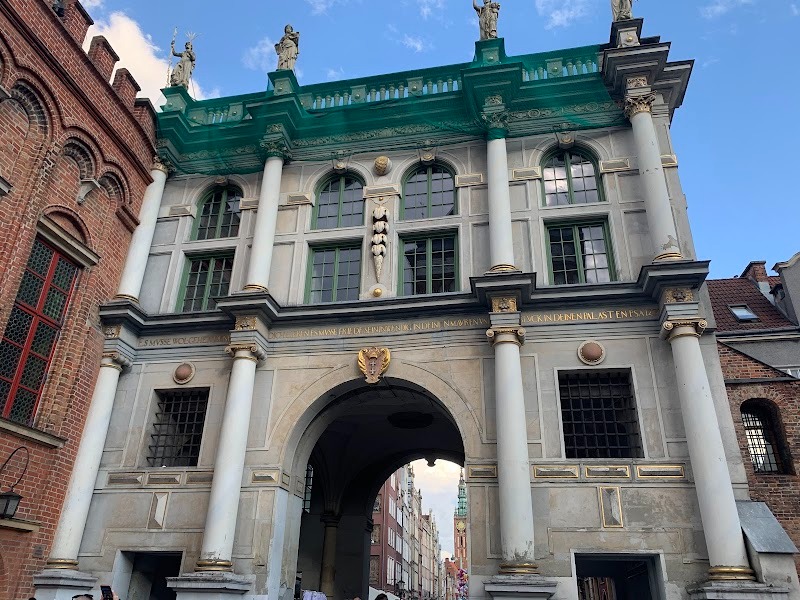
The Golden Gate in Gdańsk is a historic Renaissance city gate in Poland, located within the Royal Route in the Old Town. More than a decorative landmark, it was designed as a ceremonial and civic threshold: a formal entrance into the route through the city and a visible statement about the values of Gdańsk's merchant government.
What is the Golden Gate in Gdańsk?
The Golden Gate stands on the Royal Route, the most prominent route through Gdańsk's Old Town, and is one of the area's notable tourist attractions. Its position gave it a practical and symbolic role. It controlled entry into the city's primary market district while presenting an architectural image of order, prosperity and civic authority.
The gate's importance becomes clearer when you treat it as an entrance rather than an isolated monument. Its design announced arrival along the Royal Route, while its sculptures and inscription expressed the political ideals that the city's governing merchant class wanted associated with Gdańsk.
Why was the Golden Gate built?
The Golden Gate was constructed between 1612 and 1614 on the site of the 14th-century Gothic Long Street Gate. Abraham van den Blocke designed the replacement in the Dutch Mannerist style, giving Gdańsk a more modern and ceremonially ambitious entrance.
It served as the primary ceremonial entrance to the Royal Route and marked the city's western administrative boundary. In urban terms, it represented a transition from medieval fortification to a modern urban centre. The change was not only visual: the new gate gave a growing merchant city a formal architectural threshold suited to its public identity.
The Golden Gate also worked as a physical control point. Customs officials and guards monitored land-borne traffic entering the primary market district there, making the monument part of the city's commercial administration as well as its ceremonial landscape.
What should you look for on the Golden Gate?
Look first at the stone figures on the attic, which represent allegories of civic virtues. On the city side, the figures stand for Peace, Freedom, Wealth and Fame. On the suburban side, they represent Harmony, Justice, Piety and Prudence.
These paired sets expressed the legal and social requirements of a stable trading environment. The gate therefore presents prosperity alongside the conditions believed to protect it: peace, justice, prudence and harmony. Its Latin inscription makes that political message explicit: In concordia parvae res crescunt, discordia maximae dilabuntur. The words served as a reminder that the city's economic growth depended on internal political stability.
The architecture reinforces the same blend of influences. The gate uses a column-and-entablature system influenced by Italian High Renaissance principles, combined with ornate stone-carving techniques typical of the Low Countries. This hybrid style became a visual signature of the Gdańsk patrician class, which adopted aesthetic trends from the North Sea maritime powers to distinguish itself from the landed Polish nobility.
The Golden Gate is also the opening stop of The Merchant Republic - Gdańsk's Golden Age, where its architecture introduces the city's merchant-era identity.
Where does the Golden Gate fit into Gdańsk's Royal Route?
The Golden Gate forms the western entrance to the Royal Route in Gdańsk's Old Town. It is an architectural threshold between the city's earlier defensive past and its later merchant identity, combining the function of a controlled city boundary with the display expected of a ceremonial approach.
When you walk the Royal Route, pause at the Golden Gate long enough to read both its sculpture and its inscription. Together, they show that this entrance was built to communicate how Gdańsk understood civic order, commercial success and the stability required to sustain them.
The tour that visits Golden Gate
Each one is a self-guided route you can start whenever you like.
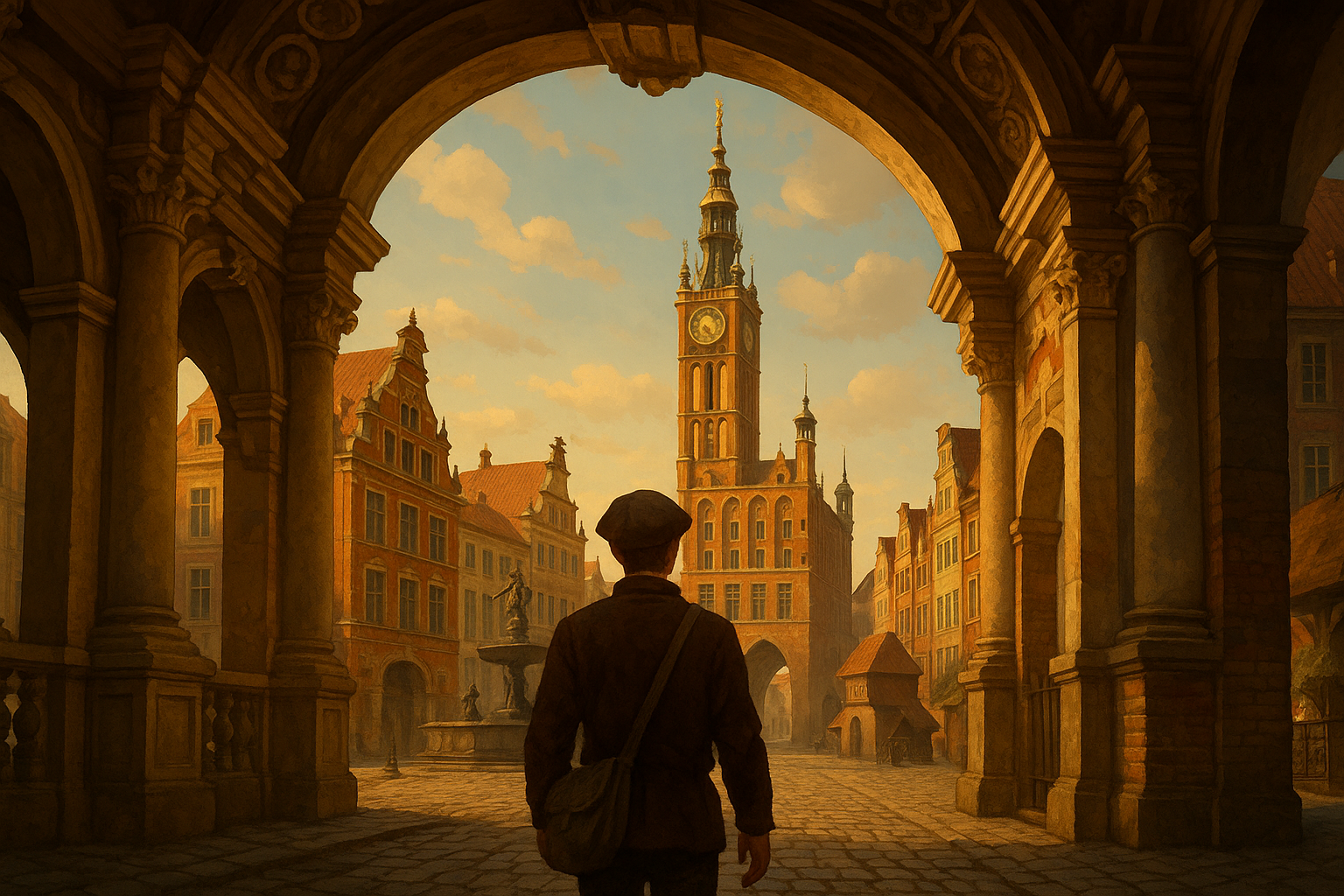
Gdańsk · 1h 20m
The Merchant Republic — Gdańsk’s Golden Age (1550–1650)
Discover Gdańsk's Golden Age on this immersive walking tour through the Main Town. Explore stunning Flemish Mannerist architecture, legendary merchant halls, and iconic landmarks like the Golden Gate, Artus Court, Neptune's Fountain, and the mighty Crane. Step into the world of 16th–17th century trade, culture, and opulence.
- places
- Gdańsk
- Golden Gate
- Royal Route
- Renaissance architecture
- city history