
Dublin, Ireland2 min read
Ha'penny Bridge Dublin: History, Name and What to Notice
Ha'penny Bridge on Google Maps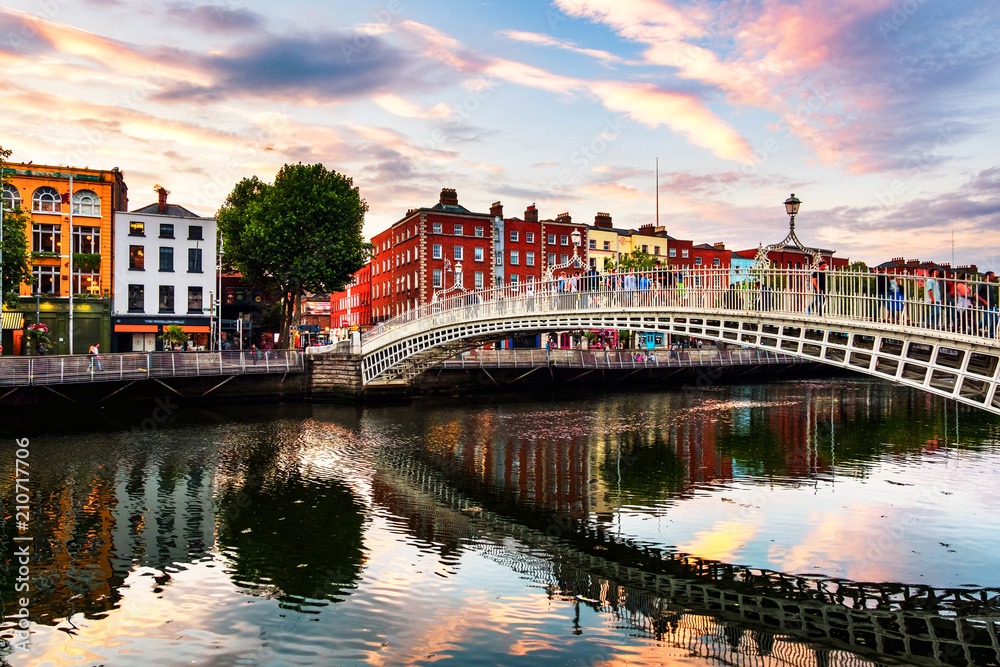
Ha'penny Bridge in Dublin is officially the Liffey Bridge, a pedestrian crossing over the River Liffey in Ireland. Built in May 1816 from cast iron cast in Shropshire, England, it remains one of the city's defining river crossings.
What is Ha'penny Bridge in Dublin?
Ha'penny Bridge is a pedestrian bridge over the River Liffey in Dublin. Its official name is the Liffey Bridge, and its structure was made from cast iron cast in Shropshire, England. The bridge was built in May 1816, giving Dublin a dedicated foot crossing between the two sides of the river.
The bridge's purpose is still clear from its form: it carries pedestrians across the Liffey rather than serving road traffic. Its compact cast-iron structure makes the crossing itself the central feature, with the river passing directly beneath it.
Why is it called Ha'penny Bridge?
Ha'penny Bridge gets its name from the half-penny toll people paid to cross from one side of the River Liffey to the other. It opened in 1816 and, according to the tour material, was the first toll bridge of Ireland.
For a time, it was also known as the Penny Ha'penny Bridge. The name records the original role of the bridge as a paid crossing: the small fee became more memorable than the formal name, Liffey Bridge.
What does Ha'penny Bridge connect?
Ha'penny Bridge connects Dublin's Southside and Northside across the River Liffey. The tour description places the Southside on the side where its stop is positioned, with the Northside across the bridge.
At this point, the River Liffey cuts Dublin into two halves. A friendly rivalry exists between the Southside and Northside, including differences in accents. Ha'penny Bridge is one of 23 bridges on the River Liffey, but its pedestrian-only crossing and central position give it a particularly recognisable place in the city's north-south geography.
What is near Ha'penny Bridge?
Merchant's Arch stands in front of the bridge from the tour's viewpoint. In the 1700s, merchants and sailors used the arch to bring goods into Temple Bar, making it part of the immediate historical setting around the crossing.
Look, too, for the story of the lockets once attached to Ha'penny Bridge by couples to symbolise their eternal love. The lockets were removed a few years ago because there were too many and they almost caused the bridge to collapse.
How can you experience Ha'penny Bridge?
Stand on Ha'penny Bridge and take in the River Liffey crossing from the pedestrian span itself. If you want to place the bridge in a wider set of Dublin stories, Hidden Dublin: Main Attractions and Hidden Stories includes it as stop 6 of 10.
That stop also includes a photo challenge connected with the bridge. It gives you a reason to pause at this specific crossing rather than treating it as a route between two points. You can find the route through Leplace's city experiences before walking across.
The tour that visits Ha'penny Bridge
Each one is a self-guided route you can start whenever you like.
Dublin · 2h 20m
Hidden Dublin: Main Attractions and Hidden Stories
Embark on a captivating stroll through Dublin City with our guided tour. Uncover hidden stories of the Republic of Ireland's capital as we visit iconic sites often overlooked. Explore the past and beauty of the Fair City like never before!
- places
- Dublin
- Ha'penny Bridge
- Liffey Bridge
- Dublin history