
Reykjavík, Iceland2 min read
Hallgrímskirkja Reykjavík: What to Notice Before You Visit
Hallgrimskirkja on Google Maps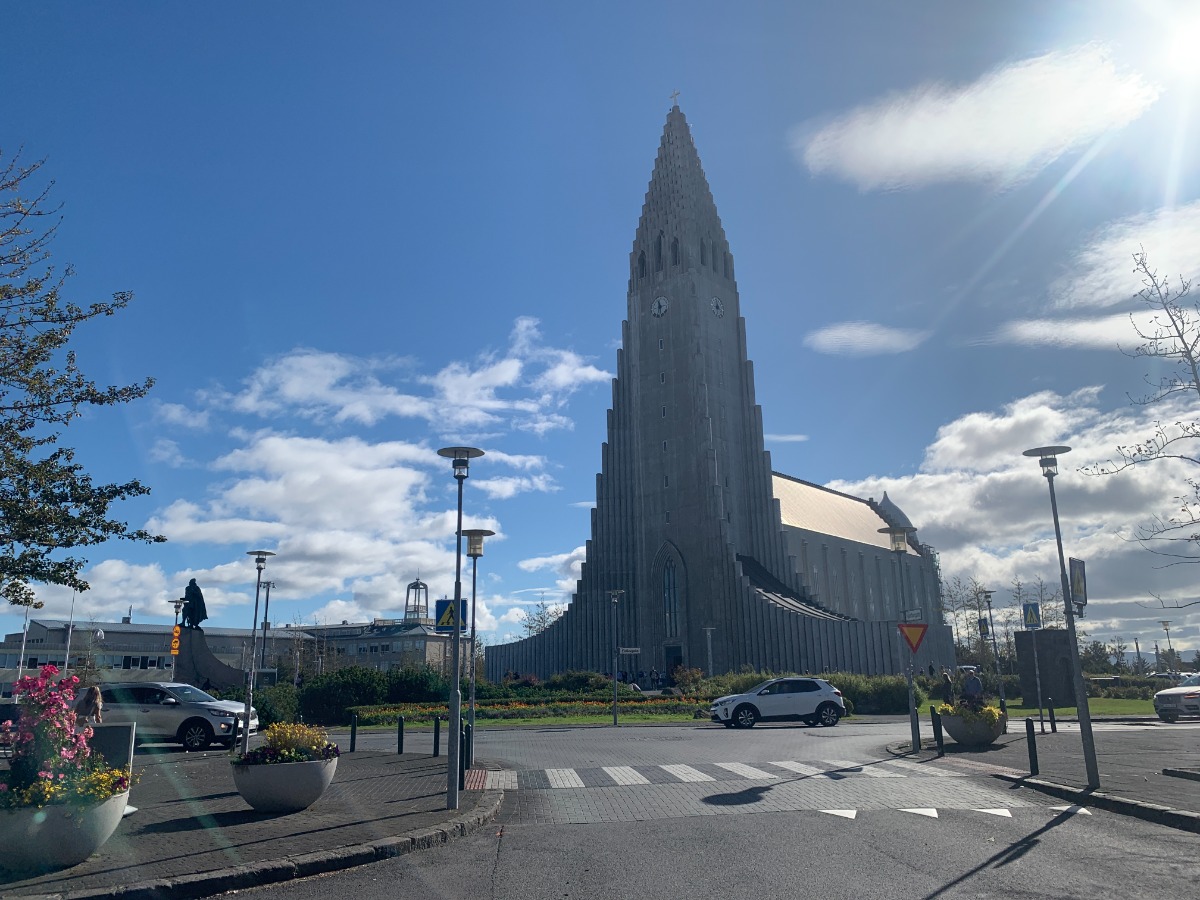
Hallgrímskirkja is a Protestant Lutheran parish church in Reykjavík, Iceland. At 74.5 metres tall, it is the largest church in Iceland and the second tallest building in the country, making its white tower one of the defining features of the city.
What is Hallgrímskirkja in Reykjavík?
Hallgrímskirkja is named after Hallgrímur Pétursson, an Icelandic poet and cleric who lived from 1614 to 1674. He wrote the Passion Hymns, an important work in Icelandic religious and literary culture.
The church was completed in 1986, and its completion helped establish it as an important symbol of Icelandic national identity. Its scale gives that identity a physical presence: the church rises far above the surrounding city while remaining a place of Protestant Lutheran worship.
Why does Hallgrímskirkja look so distinctive?
Hallgrímskirkja is known for its curved spire and side wings, a form designed by Guðjón Samúelsson. The exterior echoes Iceland's basalt columns and volcanic landscapes, connecting the building's geometry with the island's distinctive geological character.
The church's white, soaring form has also been described in the tour material as resembling a frozen geyser. That comparison captures the tension in the design: the building appears solid and monumental, yet its vertical shape suggests a burst of energy held still above Reykjavík.
Construction took 41 years. The long rise of the building through the city gives its architecture a specific historical dimension, rather than making it only a dramatic silhouette. Hallgrímskirkja functions as both a place of worship and a symbol of national pride.
What can you notice inside Hallgrímskirkja?
Inside, the nave is described as cool and hushed, with sunlight passing through tall windows. The interior's atmosphere is closely tied to the building's height and sparing, vertical character, keeping attention on the space rather than surrounding decoration.
The most distinctive interior feature to look for is the colossal pipe organ, which has 5,275 pipes. Its scale makes it both a visual focal point and an atmospheric presence within the nave. You can find this place-specific account in Reykjavík: In the Footsteps of the Vikings, whose route includes Hallgrímskirkja.
What is outside Hallgrímskirkja?
A bronze statue of Leifur Eiríksson stands outside the church. The statue was gifted by the United States in 1930, giving the space around Hallgrímskirkja a direct connection to the Viking figure celebrated in Icelandic history.
Leifur Eiríksson is described in the tour material as a Viking said to have reached North America centuries before Columbus. Notice the statue's billowing cloak and westward gaze. At his feet, a runic inscription awaits attention; the inscription is a detail to look for without assuming what its message says.
Hallgrímskirkja is best understood through the combination of its scale, its basalt- and volcanic-landscape-inspired exterior, its connection to Hallgrímur Pétursson, and the specific details inside and around it. For a route that places those details within Reykjavík's Viking history, explore the Reykjavík Viking footsteps tour.
The tour that visits Hallgrimskirkja
Each one is a self-guided route you can start whenever you like.

Reykjavík · 1h 45m
Reykjavík: In the Footsteps of the Vikings
Follow in the footsteps of the Vikings on this immersive self-guided tour through Reykjavík! Explore legendary sites from Ingólfur Arnarson's landing to the dazzling Harpa Concert Hall. Discover Viking longhouses, epic sagas, and breathtaking modern landmarks, blending history, mythology, and Icelandic culture. Perfect for history buffs, families, and curious adventurers.
- places
- Reykjavík
- Hallgrímskirkja
- Iceland
- architecture
- landmarks