
Kyōto, Japan3 min read
Higashiyama Jisho-ji in Kyōto: The Silver Pavilion
Higashiyama Jisho-ji on Google Maps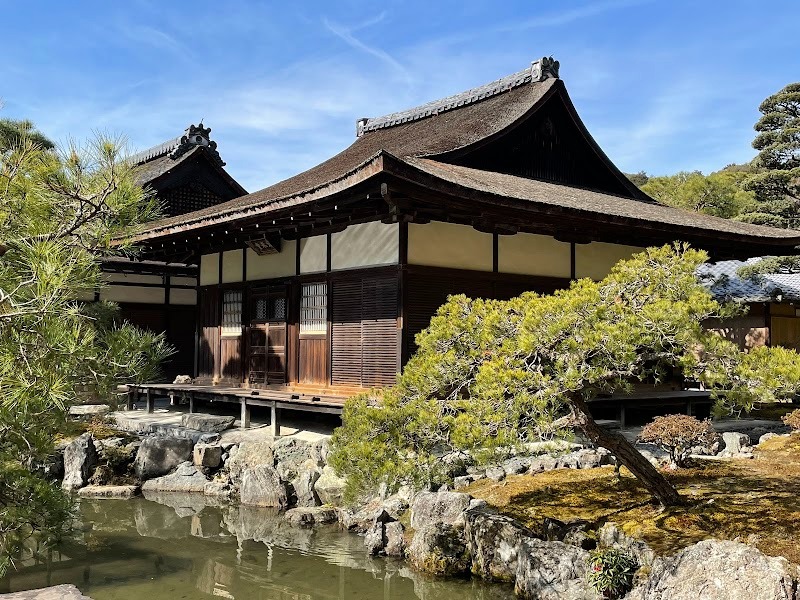
Higashiyama Jisho-ji in Kyōto is Ginkaku-ji, the Silver Pavilion, a temple associated with shōgun Ashikaga Yoshimasa’s villa in Kyoto’s eastern hills. Its pavilion and garden are closely connected with the origins of Higashiyama culture, the 15th-century movement that shaped architecture, visual arts, and theatre during the late Muromachi period.
What is Higashiyama Jisho-ji in Kyōto?
Higashiyama Jisho-ji is the site known as Ginkaku-ji, or the Silver Pavilion. Ashikaga Yoshimasa retired to his villa in the eastern hills of Kyoto after the storms of war, using the retreat for reflection, moonlit poetry, and gatherings with friends. The villa became the setting from which Higashiyama culture originated and was promoted in the 15th century.
The connection between the place and that cultural movement is central to its identity. Higashiyama Jisho-ji is not simply a pavilion with a garden: it is the retreat where Yoshimasa’s interests in reflection, poetry, tea, and aesthetic ideas came together.
Why is Ginkaku-ji called the Silver Pavilion?
Ginkaku-ji is called the Silver Pavilion because the pavilion was intended to receive a silver coat, but that coating never materialized. Instead, its wooden eaves and gentle patina became part of the building’s character.
That unfinished ambition gives the Silver Pavilion a distinctive connection with wabi-sabi: the idea of finding beauty in imperfection. The place is associated more with artists and poets than with precious metal. Its name points toward an unrealised surface, while the pavilion’s aged wood carries the visual character that actually endured.
What should you notice in the Silver Pavilion garden?
Notice the contrast between the moss-carpeted paths, the garden stones, and the raked white sand known as the Sea of Silver Sand. The white sand creates an illusion of moonlight, giving the garden a visual link to the nighttime atmosphere associated with Yoshimasa’s retreat.
The moon-viewing platform is another detail to look for. It is connected with Yoshimasa’s practice of watching the night sky, composing verses with friends, and sipping tea. The platform ties the physical garden to the activities that gave the villa its cultural role.
The garden’s atmosphere also carries the idea of impermanence. The image of fallen leaves makes that idea concrete: even a carefully shaped setting remains subject to change, reinforcing the place’s connection with wabi-sabi and unfinished beauty.
How did Higashiyama Jisho-ji shape Kyoto culture?
Higashiyama culture originated and was promoted from Yoshimasa’s retreat in Kyoto’s eastern hills. It included innovations in architecture, the visual arts, and theatre during the late Muromachi period.
Higashiyama Jisho-ji gives that broader cultural movement a specific setting. The pavilion and garden bring together the retreat’s reflection, poetry, tea gatherings, moon-watching, and aesthetic ideas without separating them into unrelated subjects. The site’s importance lies in how those practices were gathered around Yoshimasa’s villa.
What is the best way to explore Higashiyama Jisho-ji?
The best way to explore Higashiyama Jisho-ji is to look closely at the pavilion’s wooden eaves and patina, then follow the moss-covered paths toward the Sea of Silver Sand and the moon-viewing platform. For a place-specific layer of context as you explore, visit Kyoto’s Kingly Keepsakes, which includes Higashiyama Jisho-ji among its stops.
The tour that visits Higashiyama Jisho-ji
Each one is a self-guided route you can start whenever you like.
Kyōto · 2h 15m
Kyoto's Kingly Keepsakes
Embark on a solo, immersive walking tour through Kyoto's eastern treasures. Begin at the iconic Ginkakuji Temple, sip artisan coffee at local cafés, stroll the cherry-blossom-lined Philosopher's Path, and explore hidden temples and shrines. Conclude with panoramic city views from Shogunzuka Mound. This one-day journey blends centuries of history, culture, and nature—perfect for solo travelers seeking a dramatic, contemplative adventure.
- places
- Kyōto
- Kyoto
- Higashiyama Jisho-ji
- Ginkaku-ji
- Silver Pavilion
- Japanese culture