
Sapporo, Japan2 min read
Hokkaidō Shrine in Sapporo: What to Know Before You Visit
Hokkaido Jingu on Google Maps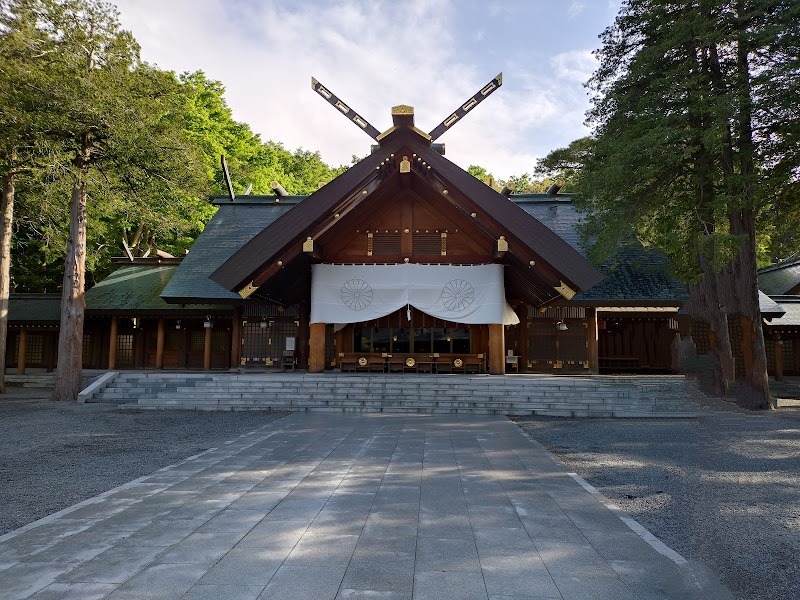
Hokkaidō Shrine is a Shinto shrine in Sapporo, Hokkaido, Japan, set within Maruyama Park in Chūō-ku. Four kami are enshrined there, including the soul of Emperor Meiji, alongside early Hokkaido explorers such as Mamiya Rinzō. Its character changes with the seasons: cherry and plum blossoms line the stone paths in spring, lantern festivals mark summer, maples turn vivid in autumn, and snow settles over the torii gates in winter.
What is Hokkaidō Shrine in Sapporo?
Before visiting, understand Hokkaidō Shrine as both a Shinto religious site and a place connected to Hokkaido's exploration history. The shrine is located in Maruyama Park, Sapporo, and its enshrined figures include four kami and the soul of Emperor Meiji. Early Hokkaido explorers, including Mamiya Rinzō, are also enshrined there.
The name matters too. The site was called the Sapporo Shrine until 1964, when it became Hokkaidō Shrine. That change sits alongside the shrine's two concrete associations: ancient deities in a Shinto setting and the people linked with Hokkaido's early exploration.
Why is Hokkaidō Shrine significant?
Hokkaidō Shrine has stood in Sapporo since 1871, according to the supplied seasonal description. Its history is therefore tied directly to the city's long presence in Hokkaido, while the enshrinement of pioneers such as Mamiya Rinzō places exploration within the site's religious setting.
The result is specific to this shrine: its name, its four enshrined kami, its connection with Emperor Meiji, and its association with early Hokkaido explorers are held together at Maruyama Park. You do not need a broad history of Sapporo to notice those connections; the shrine's identity is stated through the people and kami enshrined there.
What can you notice around Hokkaidō Shrine?
Hokkaidō Shrine's immediate setting in Maruyama Park gives the site a different visible character across the year. In spring, cherry and plum blossoms appear along the stone paths. Summer brings lantern festivals, laughter, and the scent of sweet sake. Autumn is marked by vivid maples, while winter covers the torii gates in snow.
The seasonal description also points to sounds: the gentle ring of bells and the quiet atmosphere around the shrine. These details belong to the place itself, alongside the torii, stone paths, changing plant life, and the surrounding park.
How can you experience Hokkaidō Shrine as you explore Sapporo?
Take time to observe the torii, stone paths, seasonal plants, and sounds without treating the shrine as a quick photo stop. The supplied etiquette cue is simple: bow, take a quiet breath, and give the sacred ground your attention.
Hokkaidō Shrine appears as stop 6 of 7 on Sapporo's Seasonal Splendors. If you want to place the shrine within a wider self-guided walk through Sapporo's changing seasonal character, follow the Sapporo seasonal route and reach this stop as part of the route.
The tour that visits Hokkaido Jingu
Each one is a self-guided route you can start whenever you like.

Sapporo · 3h 5m
Sapporo's Seasonal Splendors
Experience Sapporo through the lens of its ever-changing seasons on this immersive self-guided tour. Journey from historic Sapporo Station, wander beneath golden ginkgo trees, revel in Odori Park's festivals, savor fresh seafood at Nijo Market, and find tranquility at Hokkaido Shrine and Maruyama Park. Each stop offers a unique blend of history, local flavor, and seasonal magic—perfect for curious explorers seeking the soul of Hokkaido.
- places
- Sapporo
- Hokkaido
- shrines
- Japan
- Maruyama Park