
Monterey, CA, United States2 min read
Hopkins Marine Station, Monterey, CA
Hopkins Marine Station on Google Maps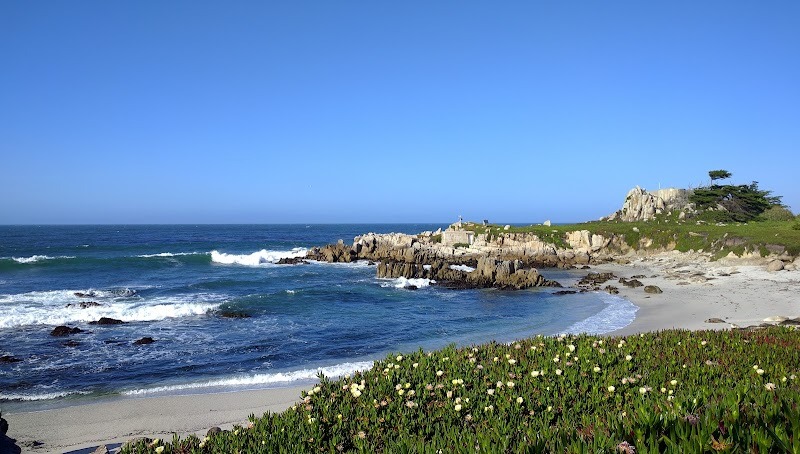
Hopkins Marine Station is a marine research institution in Monterey, California, founded in 1892. It later became Stanford University's marine laboratory, making it one of the oldest marine research institutions on the Pacific coast of North America.
The station's history is closely tied to Monterey Bay. Monterey sits on the southern edge of the bay, on California's Central Coast, placing Hopkins Marine Station beside a marine environment with unusual scientific value.
What is Hopkins Marine Station?
Hopkins Marine Station began in 1892, during a period when marine biology was becoming more systematic in the United States. Its later connection with Stanford University transformed it into the university's marine laboratory while preserving its focus on studying life and conditions in the sea.
That combination of age and institutional history matters. Hopkins Marine Station is not simply a waterfront facility: it is part of the early development of organized marine research on the Pacific coast of North America.
Why is Hopkins Marine Station in Monterey?
Hopkins Marine Station is in Monterey because Monterey Bay offered researchers direct access to a remarkably varied marine field site. Deep submarine canyons lie close to shore, while the surrounding environment includes rich tidal habitats, kelp forests, migratory marine life, and accessible intertidal study areas.
Those features made it possible to study marine organisms in the environments where they lived. By the late 19th century, naturalists were drawn to Monterey because they could observe marine life directly rather than relying only on preserved specimens. The bay's physical setting therefore shaped the station's importance as much as its location within Monterey.
What was studied at Hopkins Marine Station?
Researchers at Hopkins Marine Station studied invertebrates, fishes, algae, ocean conditions, and the ecology of Monterey Bay. The range of subjects reflects the site's value as a living laboratory: its tidal areas, kelp forests, nearby deep water, and changing marine life offered different ways to investigate the bay.
The station's scientific setting also forms part of Monterey's wider cultural history. In Steinbeck's Monterey: The Real World Behind the Novels, Hopkins Marine Station appears as stop 7 of 8, placing its research history within a broader account of Monterey. Stop 7 is one point on that route, not a description of the whole walk.
For an independent explorer, Hopkins Marine Station explains why Monterey Bay became important beyond its shoreline. Its 1892 foundation, later Stanford connection, and access to diverse marine habitats make the station a specific meeting point between the history of marine biology and the natural character of Monterey Bay.
The tour that visits Hopkins Marine Station
Each one is a self-guided route you can start whenever you like.

Monterey, CA · 2h 10m
Steinbeck's Monterey: The Real World Behind the Novels
Walk through the real Monterey behind John Steinbeck's novels. From Cannery Row and Ed Ricketts's lab to Fisherman's Wharf and the bay's wild shoreline, this self-guided tour blends literary history, sardine-boom drama, marine science, and colorful local characters in the landscapes that shaped Steinbeck's most memorable stories.
- places
- Monterey, CA
- Hopkins Marine Station
- Monterey
- Monterey Bay
- marine research
- California