
Toruń, Poland3 min read
House of Nicolaus Copernicus Toruń: Gothic Granary-House
House of Nicolaus Copernicus on Google Maps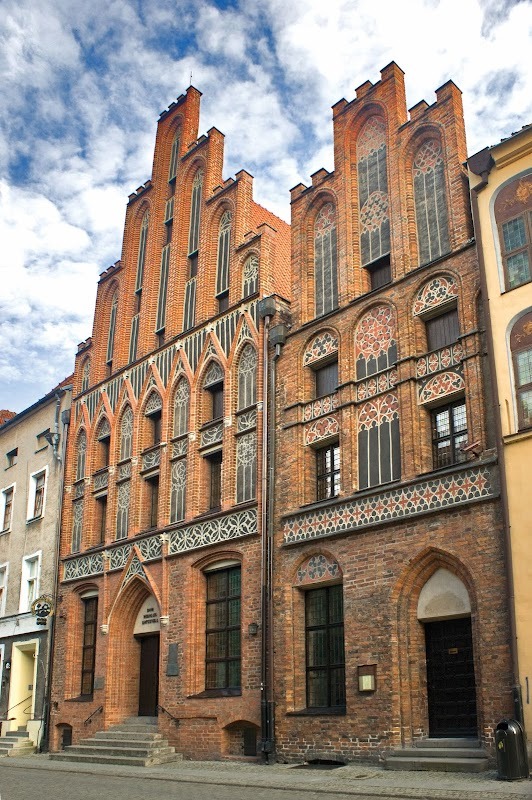
The House of Nicolaus Copernicus Toruń is remarkable for being both the birthplace of the astronomer and a vertical merchant warehouse. Nicolaus Copernicus was born here in 1473, in a Gothic granary-house designed to combine luxury residential space with industrial-scale storage. That unusual combination is the key to understanding the building before you visit—and worth sharing with a Toruń weekend companion or anyone interested in how a famous life began inside a working commercial property.
What is the House of Nicolaus Copernicus in Toruń?
The house is the Toruń birthplace of Nicolaus Copernicus, the Renaissance astronomer and mathematician associated with the heliocentric model of the solar system. It was not only a commemorative birthplace: it was also a working merchant building used by the Copernicus family, who belonged to the merchant elite.
The building's identity therefore rests on two connected facts. It preserves the setting of Copernicus's birth, while its form records the professional requirements of the family that lived and worked there. The house was built for domestic life, clerical administration, and the handling of commercial goods within one structure.
Why was the house built as a Gothic granary-house?
A Gothic granary-house combined luxury residential space with industrial-scale storage. In the dense urban environment of Hanseatic ports, its vertical design made efficient use of a narrow plot while supporting the weight of heavy trade goods.
The ground floor contained the high hall, a large transitional space where clerical and administrative work was conducted. Above and below it, the building's storage areas supported the Copernicus family's inventory management. The architecture reflects a merchant household that needed to coordinate business dealings and private living in the same compact urban property.
What was stored inside the House of Nicolaus Copernicus?
The house stored trade goods including grain, timber, and copper. Its upper floors and cellars were dedicated to storage, turning the building into a trading premises as well as a home.
Thick brick walls provided insulation for sensitive commodities. The layout also separated public business dealings from the family's private living quarters, so the house could accommodate commercial activity without eliminating domestic space.
How did goods move through the house?
An internal hoist system or external pulleys moved cargo directly from street level to the ventilated upper storage compartments. This arrangement connected the street-facing trading activity with the building's elevated storage spaces.
The result was a vertical structure in which domestic life, administration, and trade were closely integrated. The cargo-moving system makes the house's height practical rather than merely decorative: each level contributed to the work of a merchant family.
What should you notice about the house when you visit?
Start by reading the house vertically. Notice the heavy brick construction, then consider the high hall as a place for clerical and administrative work, the upper floors and cellars as storage areas, and the hoist or pulley system as the connection between street level and ventilated compartments above.
These details identify the House of Nicolaus Copernicus as evidence of the practical requirements of a merchant household in a high-density Hanseatic port. They also explain why the building matters beyond its association with Copernicus: its architecture preserves the working relationship between a family's private quarters, its records, and its goods.
The House of Nicolaus Copernicus is stop 1 of 7 on Torun of young Copernicus, a 15th-Century Chronicle. If you want to encounter the birthplace as part of that Toruń tour, the building is the place where Copernicus's story and the family's merchant architecture meet.
The tour that visits House of Nicolaus Copernicus
Each one is a self-guided route you can start whenever you like.
Toruń · 1h 10m
Torun of young Copernicus, a 15th-Century Chronicle
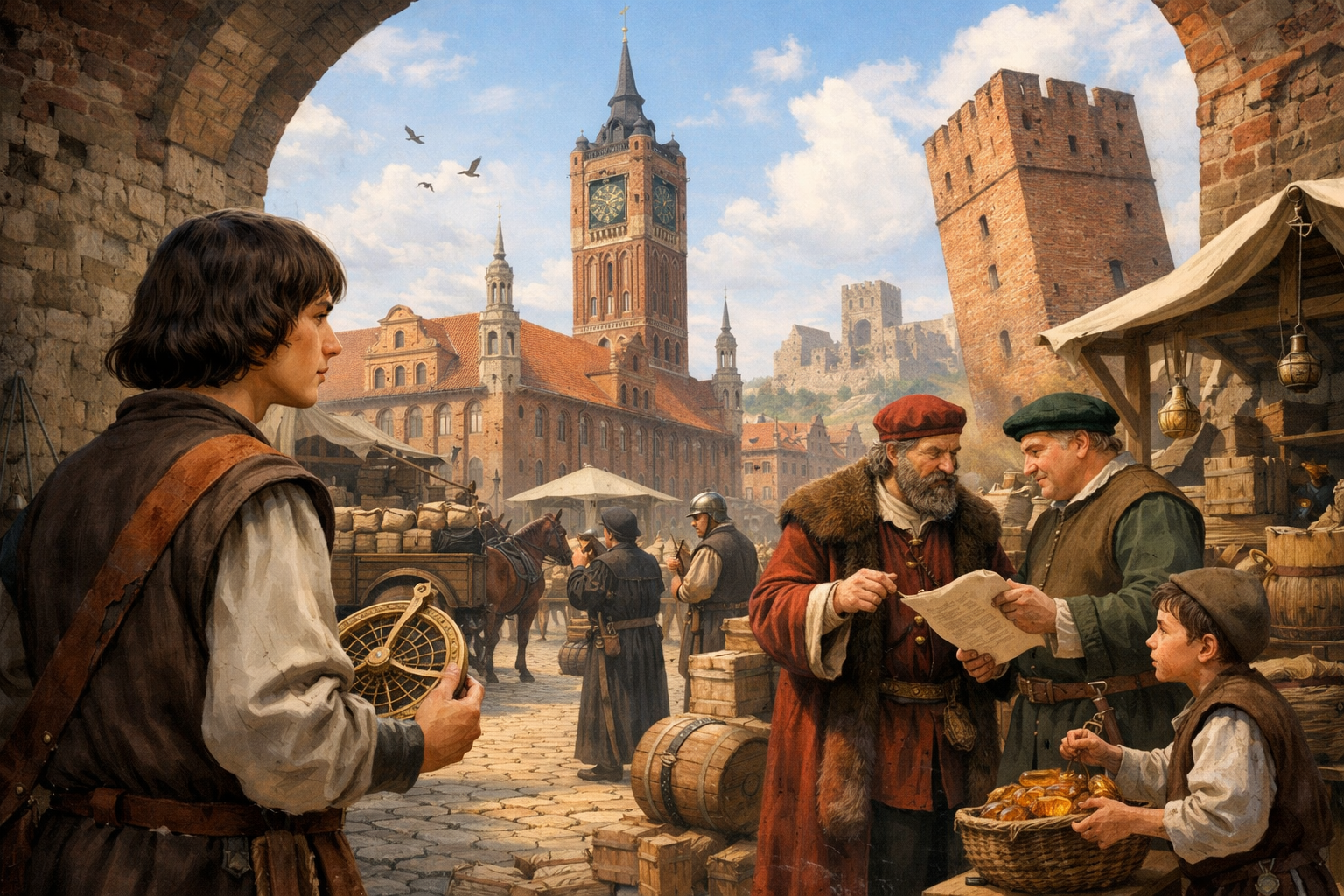
Embark on a self-guided adventure through medieval Toruń as young Nicolaus Copernicus! Discover Gothic granary-houses, bustling market squares, and the secrets of Hanseatic trade. Climb towers, explore ruins, and uncover the city's vertical marvels that shaped a future astronomer.
- places
- Toruń
- Nicolaus Copernicus
- Gothic architecture
- granary-house
- Poland