
Liverpool, United Kingdom3 min read
International Slavery Museum Liverpool
International Slavery Museum on Google Maps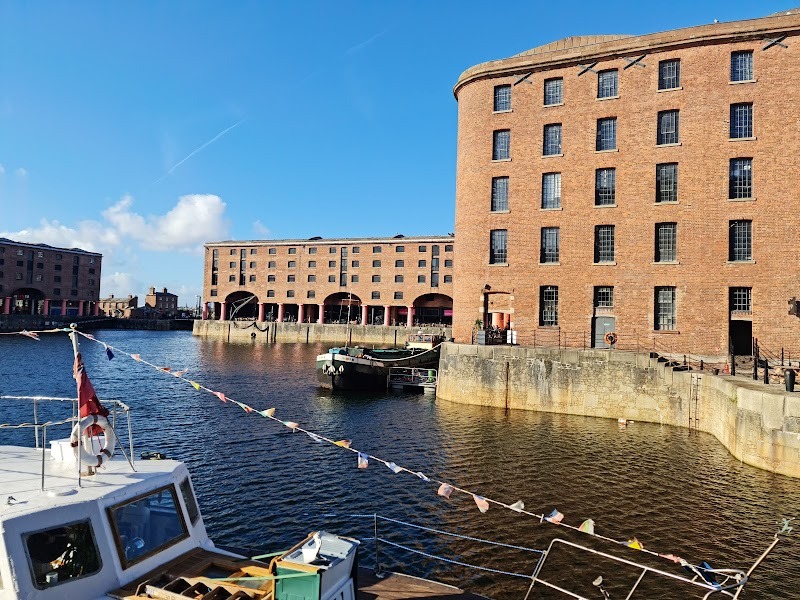
The International Slavery Museum is a museum in Liverpool, UK, on the city's historic waterfront. Part of the Merseyside Maritime Museum, it focuses on the history and legacy of the transatlantic slave trade, while also addressing modern-day slavery, racism and discrimination.
Its location makes the museum especially connected to Liverpool's own history. The waterfront was at the heart of a city once central to the transatlantic slave trade, so the museum's subject is tied directly to the place where Liverpool's involvement developed.
What is the International Slavery Museum in Liverpool?
The International Slavery Museum is Liverpool's museum dedicated to understanding the transatlantic slave trade and its continuing consequences. Its subject extends from the historical trade to slavery in the modern day, as well as racism and discrimination.
The museum forms part of the Merseyside Maritime Museum. That institutional setting places the history of enslavement within Liverpool's wider maritime story, while keeping the human consequences of the trade at its centre.
What are the International Slavery Museum's main galleries about?
The International Slavery Museum consists of three main galleries. Together, they focus on the lives of people in West Africa, their eventual enslavement, and their continued fight for freedom.
This structure connects different parts of the history rather than treating the transatlantic slave trade as an isolated event. The galleries address the lives and resistance of people affected by enslavement, then extend the subject into the modern day through their focus on slavery, racism and discrimination that continue to shape the present.
That combination is central to understanding what the museum is: it deals with both the historical experience of the trade and its lasting legacies. The museum's focus is therefore not limited to Liverpool's commercial role, but includes the people whose lives were transformed by enslavement and the ongoing struggle for freedom.
Why is the International Slavery Museum in Liverpool's historic waterfront?
The International Slavery Museum is on Liverpool's historic waterfront because the city was once directly involved in the transatlantic slave trade. Liverpool's recorded period of activity is given as 1700–1807, during which more than 5,000 slave-trading expeditions were launched from the city.
The scale of that involvement provides historical context for the museum's evidence and human stories. More than 1.5 million Africans were transported, and the source gives the Middle Passage mortality rate as 12–13%—approximately 150,000 deaths at sea.
Liverpool accounted for about 50% of Britain's trade overall and 80% in peak decades. Its share of European trade reached about 40% in peak years. The city's major imports included sugar, cotton, tobacco and rum, all produced by enslaved labour, while return cargo was valued at up to £15 million per year in the 1790s.
These figures describe the commercial system surrounding Liverpool's waterfront, not a complete account of the museum's galleries. They help explain why this particular location matters: the museum's examination of the trade and its human impact stands within a city whose docks were directly connected to that history.
The Liverpool Slave Trade Tour includes the International Slavery Museum as stop 4 of 9, offering a route-based way to place the museum within Liverpool's wider slave-trade history.
The tour that visits International Slavery Museum
Each one is a self-guided route you can start whenever you like.
Liverpool · 1h 35m
Liverpool Slave Trade Tour
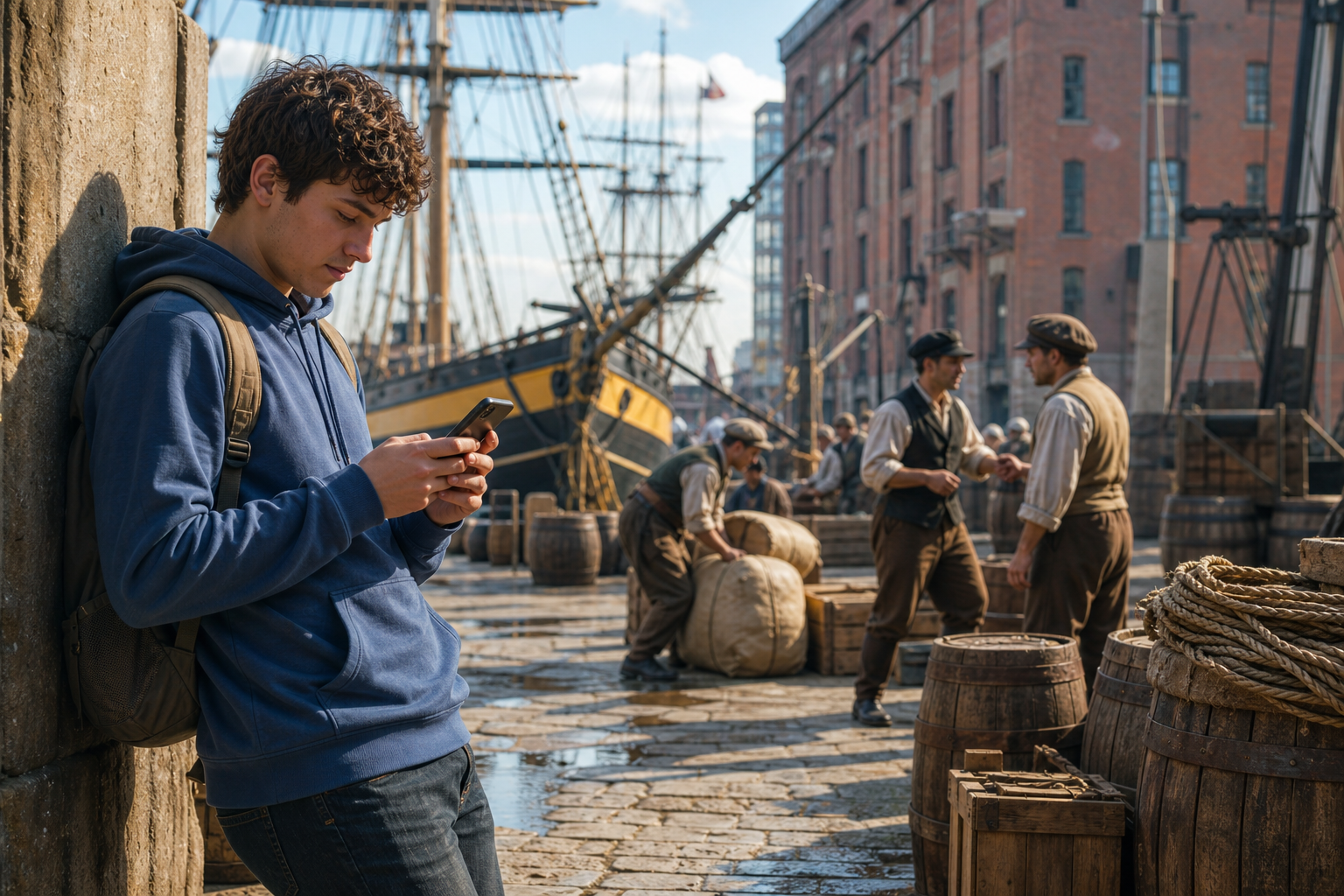
Walk in the footsteps of merchants, sailors, and enslaved Africans on this immersive outdoor tour of Liverpool's slave trade legacy. Explore historic docks, warehouses, and civic halls, uncovering hidden plaques and artefacts. Visit the International Slavery Museum and reflect at the Waterfront Viewpoint. This self-guided journey reveals the city's pivotal role in the transatlantic slave trade and challenges you to reckon with its enduring impact.
- places
- Liverpool
- International Slavery Museum
- Liverpool history
- transatlantic slave trade
- historic waterfront