
Brisbane, Australia2 min read
Kangaroo Point Cliffs Park (River Terrace Park), Brisbane
Kangaroo Point Cliffs Park (River Terrace Park) on Google Maps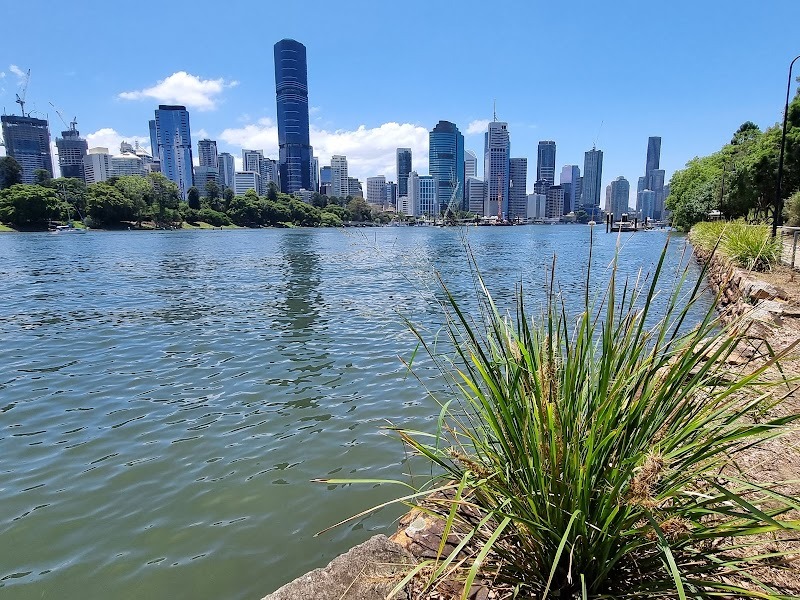
Kangaroo Point Cliffs Park, also known as River Terrace Park, is a place in Kangaroo Point, Brisbane, Queensland, Australia, defined by steep rocky slopes beside the river. The cliffs were known to Aboriginal people before European settlement and were first recorded by European Surveyor-General John Oxley in 1823 as a “high, rocky bank.”
What is Kangaroo Point Cliffs Park?
The defining physical character of Kangaroo Point Cliffs Park is its exposed tuff cliffs. Their steep rocky faces are not simply a natural landmark: they also show how the site was used and altered as Brisbane developed.
Before European settlement, the cliffs were known to Aboriginal people. John Oxley’s 1823 description, “high, rocky bank,” is the first recorded European description of the site in the source material. That early account helps place the cliffs within the history of Kangaroo Point itself, rather than treating them as a scenery-only feature.
Why are the Kangaroo Point cliffs important to Brisbane?
The Kangaroo Point cliffs are important because quarrying there supplied stone for Brisbane for over 150 years, from 1826 to 1976. Commandant Patrick Logan established a quarry at the cliffs in 1826, linking the site directly to Brisbane’s earliest convict settlement.
Tuff stone from Kangaroo Point was used for Brisbane’s roads, buildings, wharves and marine walls throughout the nineteenth and early twentieth centuries. The Commissariat Store is one of the city’s structures built with stone from the cliffs. In that sense, the rock at Kangaroo Point became part of Brisbane’s built fabric as well as its river edge.
The quarrying history makes Kangaroo Point Cliffs Park a physical record of Brisbane’s early convict settlement and later urban development. The cliffs retain evidence of the material source behind the city’s infrastructure, connecting the exposed rock at Kangaroo Point with the roads, buildings and working waterfronts that grew around it.
What else is connected with Kangaroo Point?
Kangaroo Point’s connection with the river also supported maritime industries, including shipbuilding. A naval depot was established there in 1886, and the site was later used by the Royal Australian Navy and then the Army.
One of the original Naval Stores buildings has been preserved as a museum, keeping a specific link between Kangaroo Point and Brisbane’s maritime past. The building belongs to the same wider history as the cliffs: a place shaped first by its stone and river setting, then by the industries and institutions that used it.
To continue exploring this history, follow the Convict & Colonial Brisbane route, where Kangaroo Point Cliffs Park is stop 8 of 8.
The tour that visits Kangaroo Point Cliffs Park (River Terrace Park)
Each one is a self-guided route you can start whenever you like.
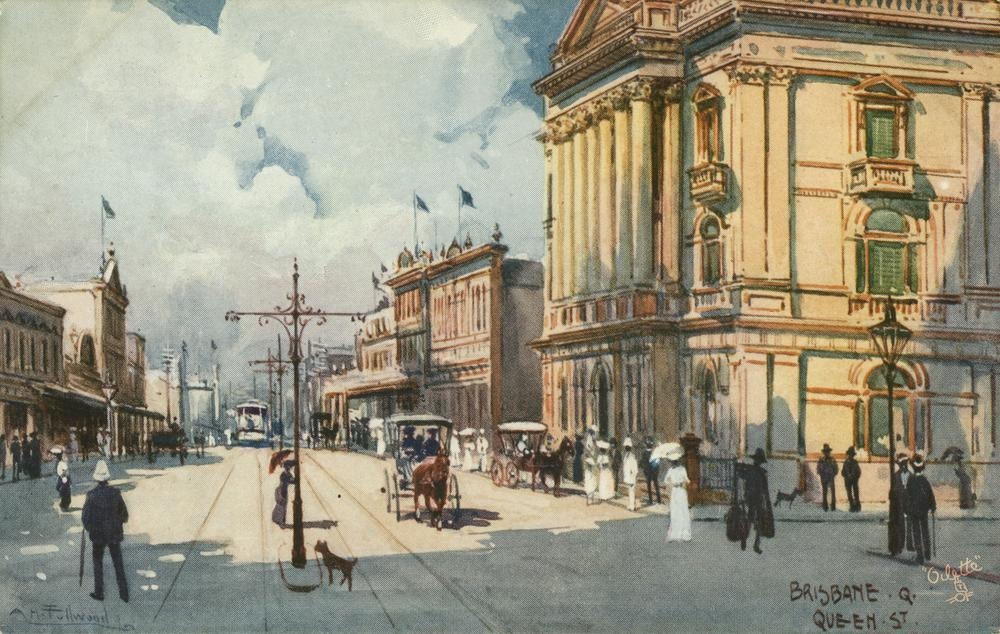
Brisbane · 1h 40m
Convict & Colonial Brisbane
Discover the hidden stories of Brisbane's dark past on this immersive tour. Walk in the footsteps of early convicts, explore historic sites, and learn about the harsh realities of life under penal settlement rule. Uncover the legacy of convict labor etched into the city's fabric. A journey through Brisbane's convict history like never before!
- places
- Brisbane
- Kangaroo Point
- Queensland history
- heritage places
- urban exploration