
Kathmandu, Nepal2 min read
Kathmandu Durbar Square: Landmarks, Living Traditions and Local Life
Kathmandu Durbar Square on Google Maps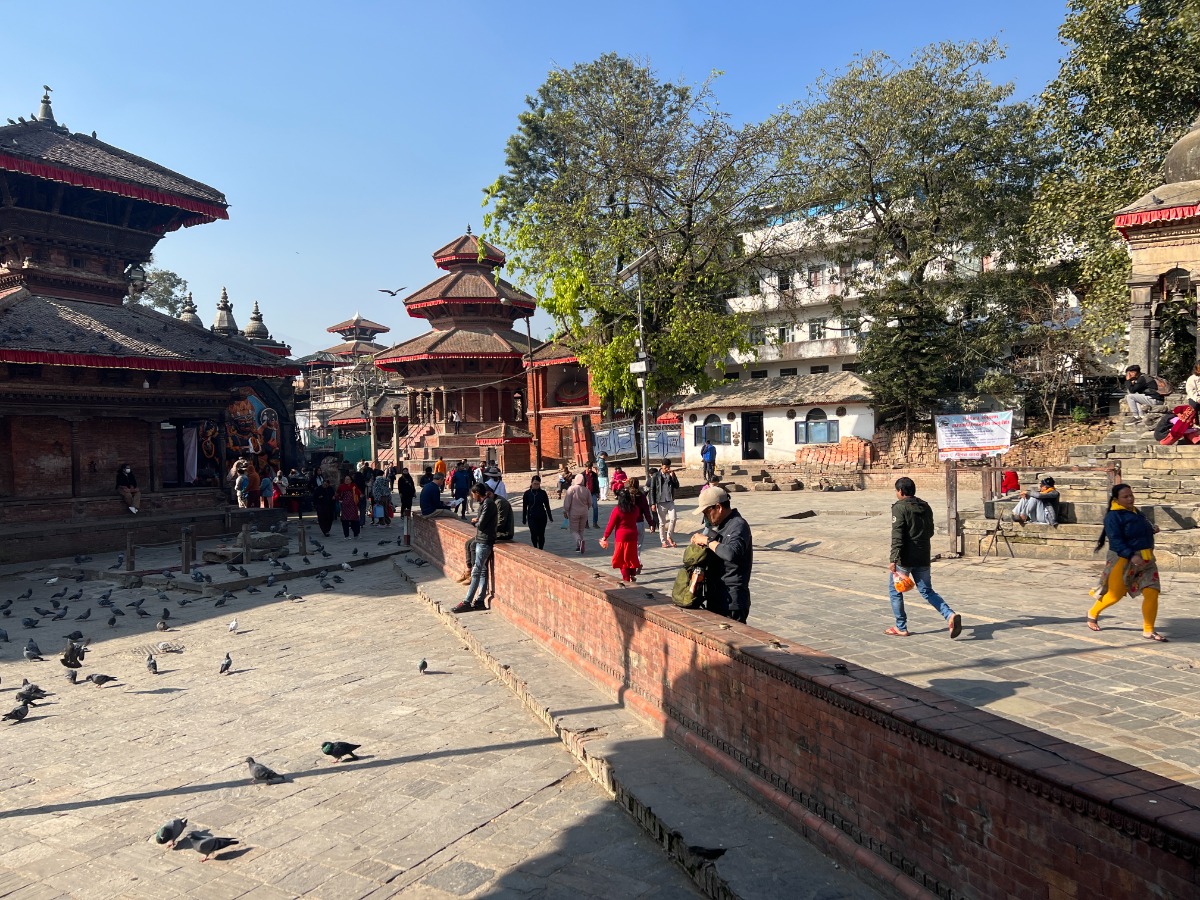
Kathmandu Durbar Square is a historically and culturally significant site in Kathmandu, Nepal. It is one of the three Durbar Squares in the Kathmandu Valley that are UNESCO World Heritage Sites. Known as Basantapur Durbar Square, it is also described as a museum in itself, with historic buildings, statues, temples and other treasures gathered in one heritage setting.
What is Kathmandu Durbar Square?
Kathmandu Durbar Square is the Basantapur area of Kathmandu’s historic Durbar Square complex. Its importance comes from the concentration of Nepalese cultural heritage represented by the square’s landmarks and religious sites. Rather than being only an open public space, Basantapur is a place where architecture, Hindu traditions and living local activity remain closely connected.
The square’s identity is especially clear in the way its named buildings and figures sit alongside one another. Basantapur, Kumari Ghar and Kasthamandap are among its prominent features, giving the site a distinct architectural and cultural character within Kathmandu.
Which landmarks can you see at Kathmandu Durbar Square?
The key landmarks to look for include Kumari Ghar, Kasthamandap, Hanuman Dhoka, Bhagwati Temple, Taleju Temple and Mahendreshwor Temple. Together, they form the specific collection of heritage features that makes Kathmandu Durbar Square more than a generic historic quarter.
Kumari Ghar is the residence of the Living Goddess Kumari. The tour description presents the building as a living embodiment of Nepal’s cultural and spiritual legacy, and as a testament to the country’s traditions and spiritual beliefs. Its presence gives the square a direct connection to living religious culture.
Kasthamandap is another prominent landmark in the heart of Basantapur Durbar Square, described as a testament to Nepal’s ancient architecture and cultural legacy. Nearby, the Swet Bhairav Statue and Kal Bhairav Statue connect the square to figures and deities in Hindu mythology. These statues, along with the Bhagwati, Taleju and Mahendreshwor temples, are the details to seek out when exploring the site.
What is the atmosphere around Basantapur Durbar Square?
Basantapur Durbar Square combines historical architecture with bustling markets and a continuous flow of people engaged in varied activities. It is not presented as a static monument: the courtyard near Kumari Ghar has vendors selling different items, adding an active commercial layer to the heritage setting.
The Kathmandu Durbar Square and Locality Cultural Walking Tour records the square as stop 7 of 9 and draws attention to this combination of buildings, statues, vendors and movement. That detail matters because the character of Kathmandu Durbar Square lies not only in its named monuments, but also in the way those monuments remain part of a working, populated urban space.
To understand Kathmandu through one specific cultural landmark, focus on the square’s relationship between heritage and ongoing activity: Kumari Ghar and the Living Goddess tradition, Kasthamandap and ancient architecture, Bhairav statues and Hindu mythology, and the vendors and people who keep Basantapur active.
The tour that visits Kathmandu Durbar Square
Each one is a self-guided route you can start whenever you like.
Kathmandu · 1h 55m
Kathmandu Durbar Square and Locality Cultural Walking Tour
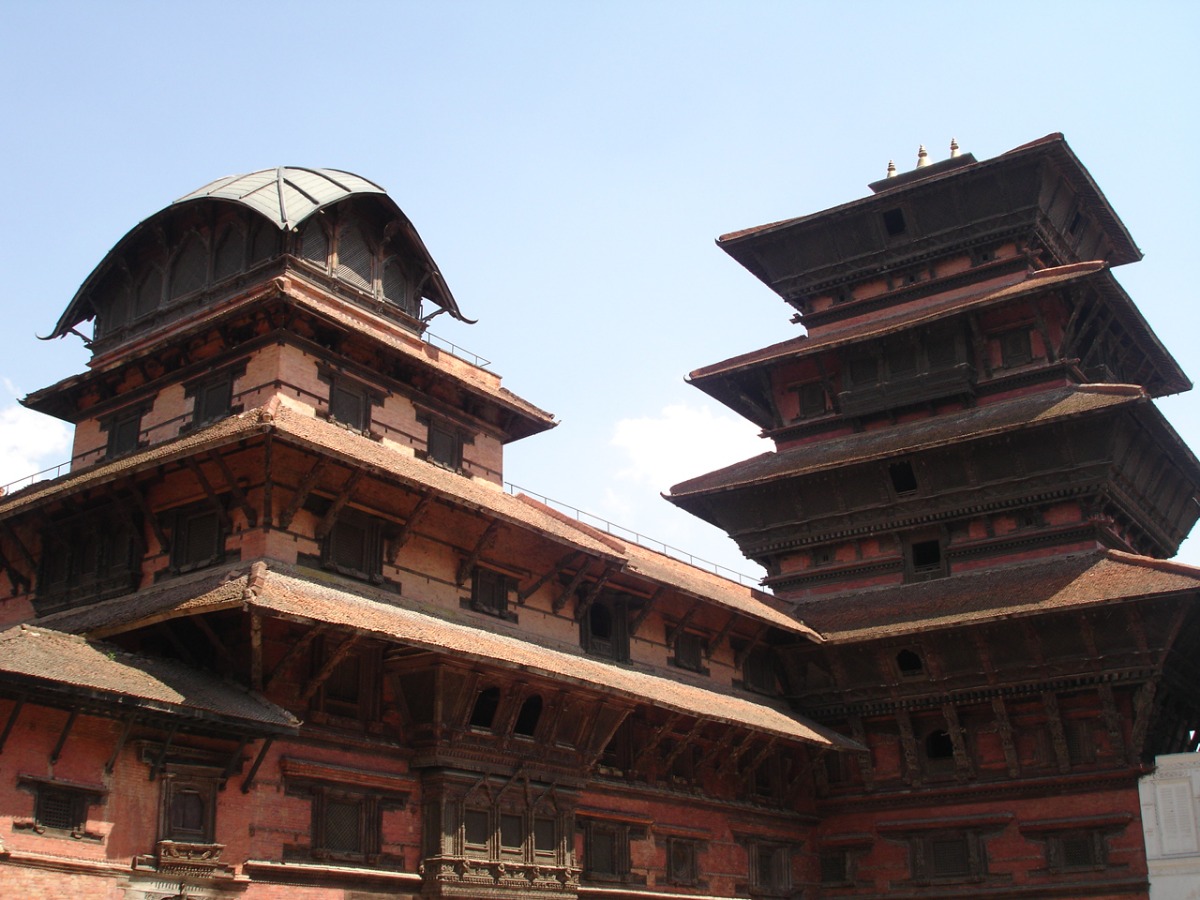
Kathmandu, with its UNESCO-listed Durbar Square, is not merely a city - it's a living testament to the cultural heritage of Nepal. The temples, shrines, and palaces we visited hold stories of kings a…
- places
- Kathmandu
- Kathmandu Durbar Square
- Nepal
- Basantapur
- Cultural Heritage