
Kōbe, Japan2 min read
Kobe Kitano Ijinkan-Gai: What to Notice on the Hillside
Kobe Kitano Ijinkan-Gai on Google Maps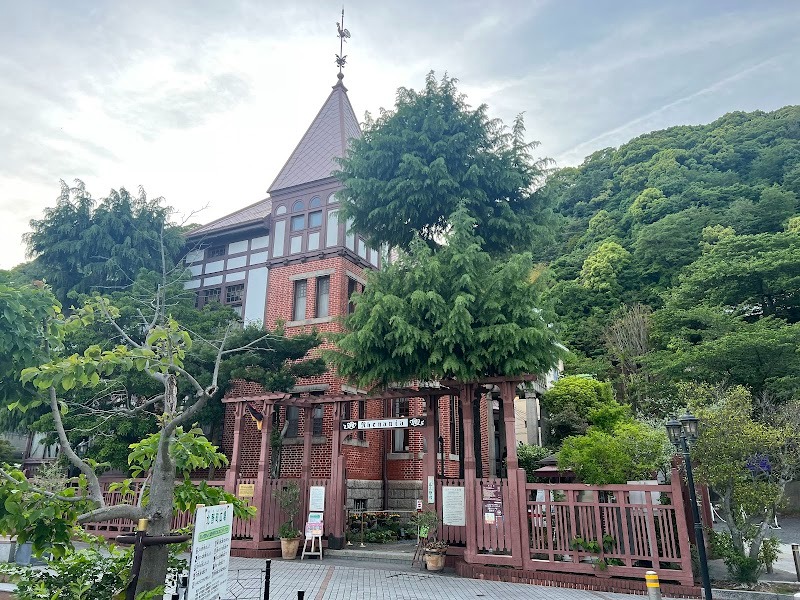
Look up from the cobbled streets and you may see a rooster weathervane above Weathercock House. That visual points to what Kobe Kitano Ijinkan-Gai is: the area where foreigners lived in Japan during the late Meiji era, set on a hillside overlooking the ocean and the city.
What is Kobe Kitano Ijinkan-Gai?
This hillside district is associated with Western-style residences known as Ijinkan. A couple of the restored houses are open to the public, giving you a chance to look more closely at the buildings that define the area rather than simply passing them from the street.
As you move uphill, notice how the setting and architecture work together. The streets rise along the side of the hill, while the residences look out towards Kōbe, the ocean and the city. The cobbles make the change in level part of the experience of moving through the district.
How did the foreign residences shape Kitano-cho?
The area was drawn into the changes surrounding the Meiji Restoration in 1868. As Kōbe opened to foreign diplomats, traders and other newcomers, Western-style mansions began to appear along the slopes of Kitano-cho.
Look for the features associated with those Ijinkan: steep roofs and stained-glass windows. They give the hillside a visual character distinct from a street of ordinary houses, with rooflines and window designs that reward you for looking above eye level.
What should you look for in Kobe Kitano Ijinkan-Gai?
Start with Weathercock House and its rooster weathervane. The source material also records a belief that a weathercock could ward off evil spirits and bring good fortune, so the feature carries more than a decorative role in the area's stories.
Then scan the residences for small architectural surprises. The tour material mentions possible hidden rooms, tunnels, unusual drainpipes and stained-glass designs, including details such as a dragon-shaped drainpipe or a window depicting a ship. Treat these as prompts to inspect the buildings closely, not as features to assume every residence contains.
You can use Classic Kobe to find the district in a route that places Kobe Kitano Ijinkan-Gai at stop 8 of 9. While walking, compare the steep roofs, stained glass, hillside streets and cobbled surfaces instead of taking the district in as a single postcard view.
How can you explore Kobe Kitano Ijinkan-Gai?
Explore the hillside area on foot and let the buildings set your observation prompts: look up at the weathervane, check the rooflines, search for unusual drainage details and study the stained glass. When you are ready to turn those details into an interactive walk, open the Classic Kobe route; this stop is part of its nine-stop experience, not a description of the route's endpoint.
The tour that visits Kobe Kitano Ijinkan-Gai
Each one is a self-guided route you can start whenever you like.

Kōbe · 2h 45m
Classic Kobe
Explore Kobe like never before—with a Tajima cow as your guide! This self-guided walking tour takes you from the historic Kobe Station through waterfront parks, vibrant Chinatown, chic shopping arcades, and lush herb gardens, ending in the lively Sannomiya Center Gai. Along the way, enjoy immersive stories, fun facts, and a unique bovine perspective on the city's classic sights. Perfect for first-time visitors and seasoned explorers alike!
- places
- Kōbe
- Kobe
- Kitano Ijinkan-Gai
- Kōbe architecture
- Japan travel
- self-guided walking tours