
Ise (Ujiyamada), Japan2 min read
Kotai Jingu (Ise Jingu Naiku, Inner Sanctuary)
Kotai Jingu (Ise Jingu Naiku, Inner Sanctuary) on Google Maps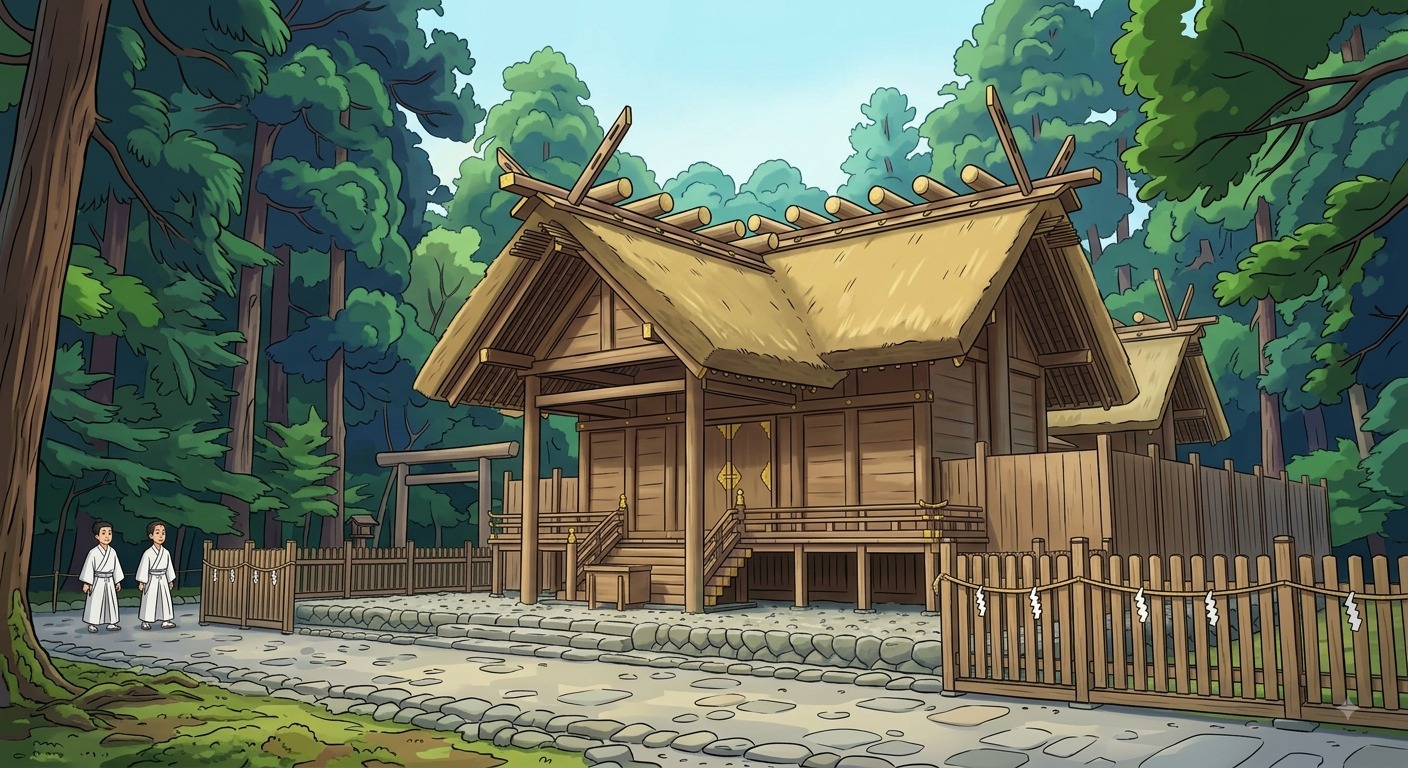
Kotai Jingu is the Inner Shrine, or Naiku, of the Ise Shrines. Also called Ise Jingu Naiku and the Inner Sanctuary, it enshrines Amaterasu Omikami, Shinto's most venerated deity and the Sun Goddess, and is considered Japan's most sacred shrine.
What is Kotai Jingu?
Kotai Jingu is the part of the Ise Shrines dedicated to Amaterasu Omikami. The name refers to the Inner Shrine itself, distinguishing it from the Outer Shrine. Its religious significance comes from the deity enshrined there: Amaterasu, the Sun Goddess.
Why is Kotai Jingu sacred?
Kotai Jingu is sacred because it is where Amaterasu is deified. The tour material describes her as the goddess of the sun and says that many pilgrims have journeyed to Kotai Jingu for 2000 years to honour the one they call the divine feminine of Japan.
The shrine's sacred connection also includes Yata no Kagami, the sacred mirror associated with Amaterasu. The mirror is hidden from mortal sight, so its importance at Kotai Jingu is religious and symbolic rather than something presented for public viewing.
What is the story of Amaterasu and the sacred mirror?
According to the story connected with Kotai Jingu, Amaterasu withdrew into a cave after feeling shame over the actions of her brother Susanno'o. Her seclusion enveloped the world in eternal darkness.
The other gods tried to draw her out. Outside the cave, Amaterasu's niece performed a dance while the other gods laughed. Their laughter made Amaterasu curious about what was happening beyond her hiding place.
When Amaterasu looked outside, the Yata no Kagami captivated her with her own reflection and helped lure her from seclusion. Her return brought her rays of sunlight back to the world. The mirror remains hidden from mortal sight, keeping the story's central sacred object unseen.
What can you notice around the Inner Sanctuary?
The Isuzu River is one of the concrete features associated with Kotai Jingu in the tour material. It is presented as a setting for clearing the mind and reflecting, alongside the shrine's connection with the hidden sacred mirror, Yata no Kagami.
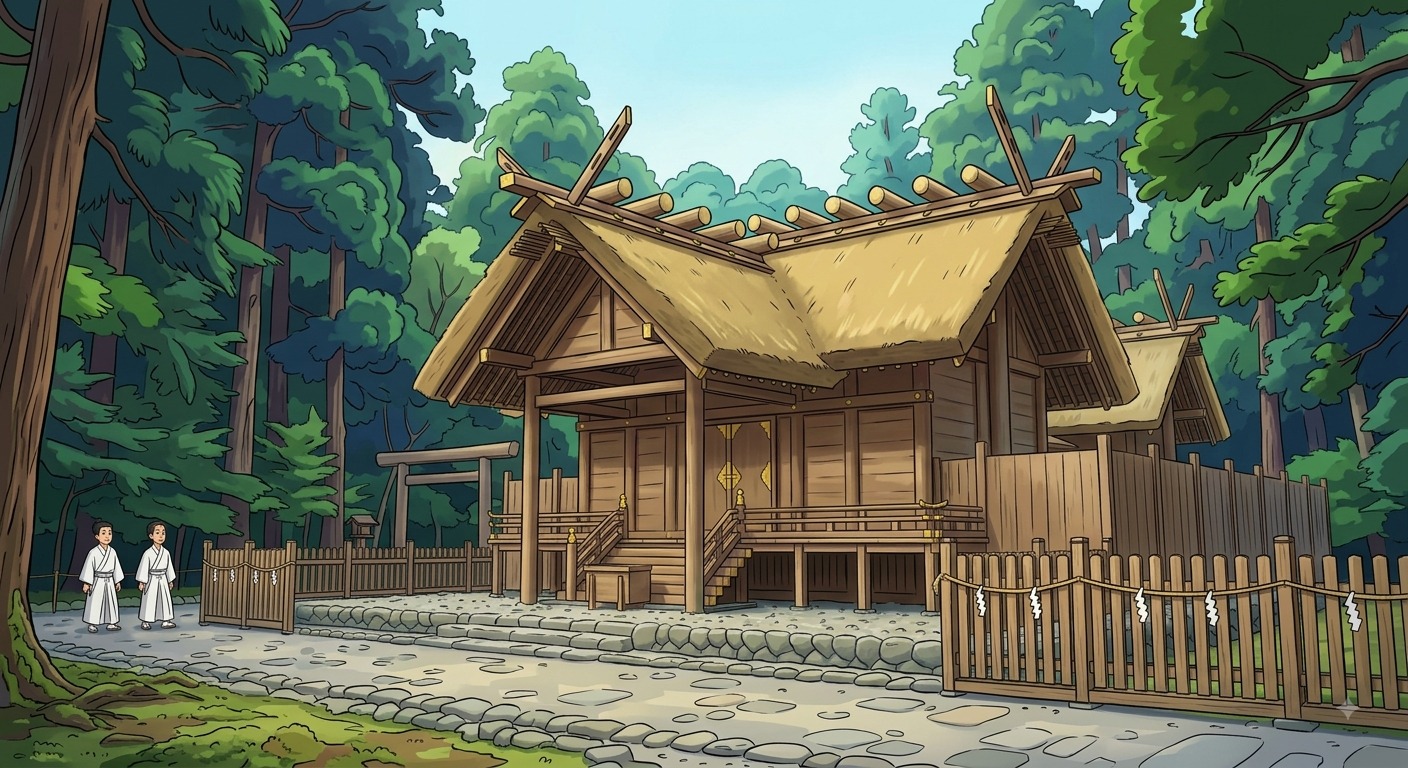
Kotai Jingu appears as stop 5 of 7 on Ise - Amaterasu's Grand Shrine - Culture, Religion, and History. The route connects the physical setting beside the Isuzu River with the religious story of Amaterasu and the unseen mirror at the heart of the Inner Sanctuary.
The tour that visits Kotai Jingu (Ise Jingu Naiku, Inner Sanctuary)
Each one is a self-guided route you can start whenever you like.
Ise (Ujiyamada) · 2h 55m
Ise - Amaterasu's Grand Shrine - Culture, Religion, and History
Walk in the footsteps of emperors and pilgrims on this immersive self-guided tour of Ise's most sacred icons. From the welcoming Ise-shi Station to the revered Kotai Jingu, experience ancient shrines, bustling Edo-era streets, and the timeless Uji Bridge. Savor local delicacies, uncover legends, and let the sun goddess Amaterasu illuminate your journey through Japan's spiritual heart.
- places
- Ise (Ujiyamada)
- Kotai Jingu
- Ise Jingu
- Ise
- Amaterasu
- Japanese shrines