
Paris, France3 min read
Le Bateau-Lavoir Paris: What It Is and Why It Matters
Le Bateau-Lavoir on Google Maps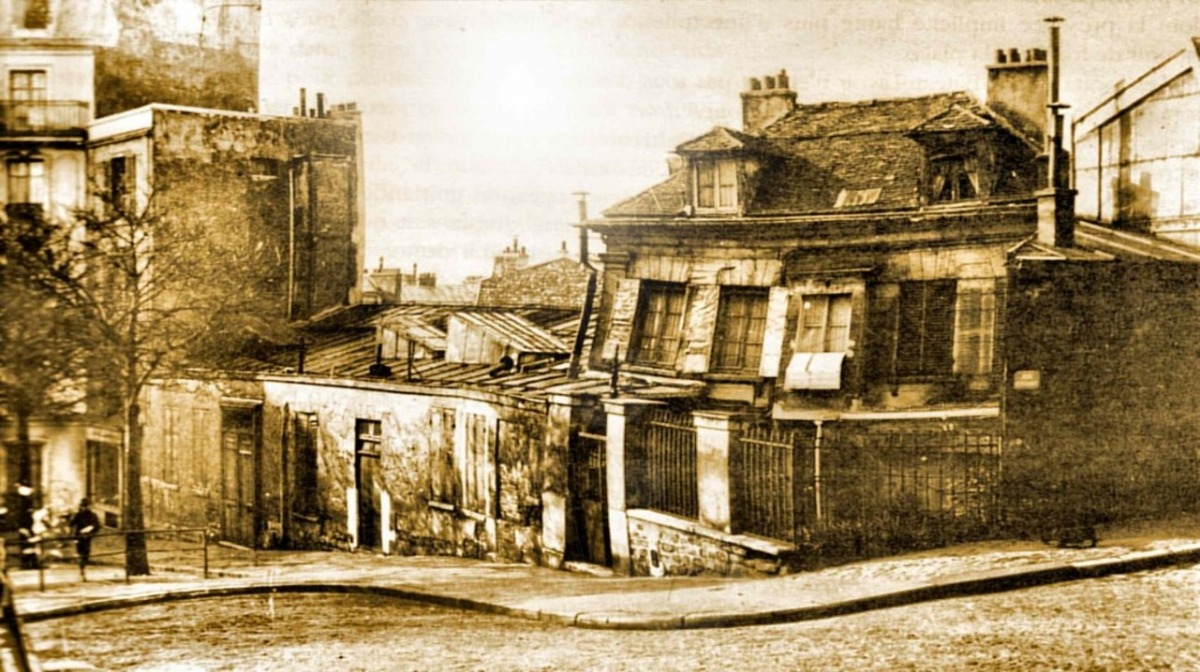
Le Bateau-Lavoir is the nickname of a building in Montmartre, in Paris's 18th arrondissement. At No. 13 Rue Ravignan, at Place Emile Goudeau just below Place du Tertre, it became famous as a residence and meeting place for early 20th-century artists, writers, theatre people and art dealers.
What is Le Bateau-Lavoir in Paris?
Le Bateau-Lavoir is an artists' residence with an important place in Paris's art history. The address became associated with a community that included artists, men of letters, theatre people and art dealers, making it more than a studio building: it was a meeting place for creative circles in early 20th-century Montmartre.
The name refers to the building at No. 13 Rue Ravignan, at Place Emile Goudeau. Its position is just below Place du Tertre, placing this historically significant address within the Montmartre setting associated with artists and bohemian life.
Why is Le Bateau-Lavoir important to art history?
Le Bateau-Lavoir matters because several major artists and writers were associated with the address. The artists include Pablo Picasso, Amedeo Modigliani, Georges Braque and Juan Gris. The poets Guillaume Apollinaire and Max Jacob were also associated with it.
Picasso lived at Le Bateau-Lavoir from 1904 to 1909, when he was poor, unknown and trying to establish himself. Those years matter because they connect the address with a decisive period in his development as an artist.
In 1907, Picasso painted Les Demoiselles d'Avignon while influenced by the primitive art of African masks and fetishes. The painting abandoned perspective and used a totally flat surface. Its women's faces were replaced by primitive masks, while the angular forms anticipated Picasso's later work in Cubism.
The painting was considered too avant garde for its time. One art critic called it the work of a madman, a reaction that underlines how sharply its technique departed from established expectations. Le Bateau-Lavoir's importance is therefore tied not only to the artists who lived or met there, but also to the period of experimentation represented by Picasso's years at the address.
What does Le Bateau-Lavoir look like today?
The building visible today is not the unchanged structure in which the historic artists lived. The original Le Bateau-Lavoir burned down in 1970 and was replaced by the building that stands there now.
That distinction is essential when visiting the address: the current structure marks the location of the historic residence, but it is a replacement rather than the original building occupied by Picasso and the other artists associated with Le Bateau-Lavoir.
Where is Le Bateau-Lavoir in Montmartre?
Le Bateau-Lavoir is at No. 13 Rue Ravignan, at Place Emile Goudeau, just below Place du Tertre. This precise address is the key to locating the place in Montmartre and connecting the present-day building with its role in Paris's early 20th-century art history.
For the address in the context of a self-guided walk through Montmartre's artistic history, follow the Leplace route that visits Le Bateau-Lavoir. It gives the building a place within the area's documented artist history without changing what the address itself is: the former residence and meeting place whose name remains linked to Picasso, Cubism and the wider artistic community of Montmartre.
The tour that visits Le Bateau-Lavoir
Each one is a self-guided route you can start whenever you like.
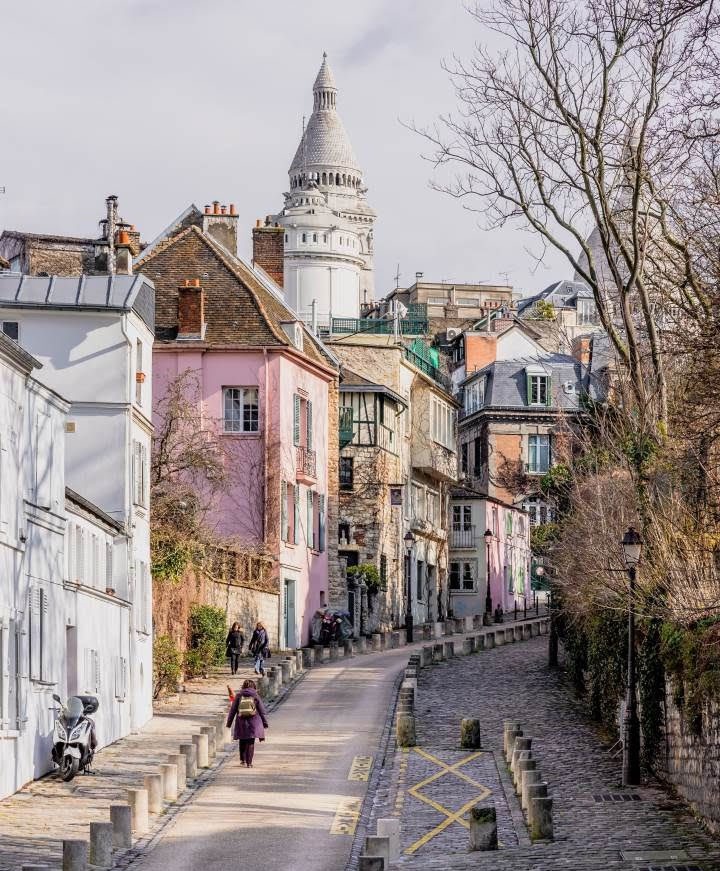
Paris · 2h 50m
Life as an Impressionist Artist in 1880s Montmartre
You are living the life of a bohemian artist in Montmartre in the 1880s. You discover what it means to starve for your art, you live amongst the vagabonds, gypsies, rag pickers, thieves & ladies of t…
- places
- Paris
- Montmartre
- Le Bateau-Lavoir
- Pablo Picasso
- Art history