
Paris, France3 min read
Le Moulin de la Galette Paris: Montmartre’s Windmill, Dance Hall and Artistic Landmark
Le Moulin de la Galette on Google Maps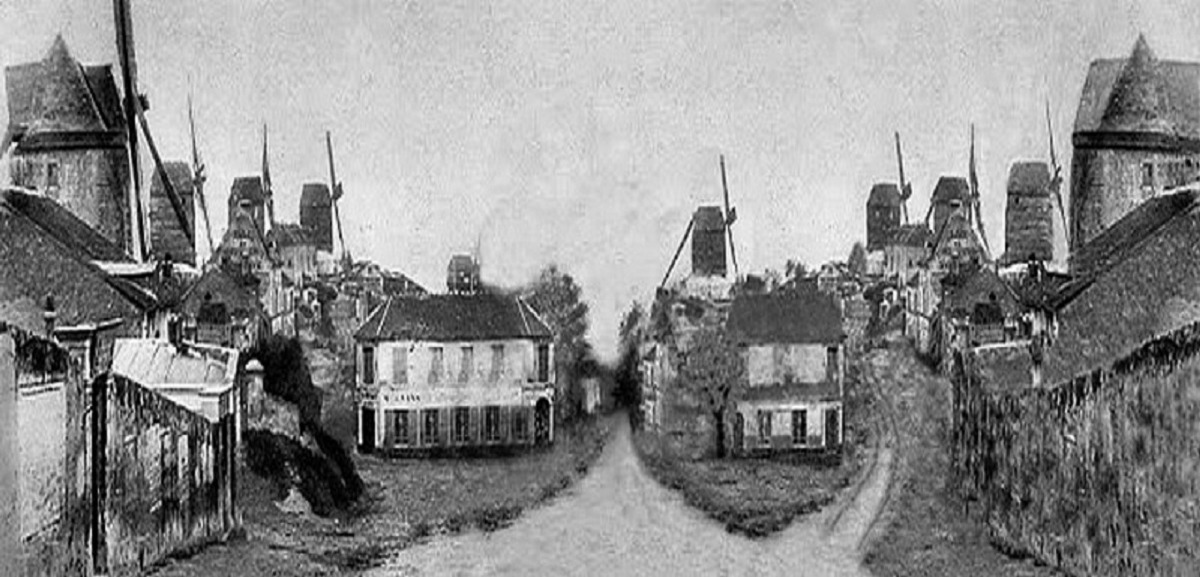
Le Moulin de la Galette in Paris is a windmill and group of associated businesses near the top of Montmartre. Built in 1622, it became known for a famous guinguette and restaurant, and later became one of Montmartre’s most recognisable artistic subjects. It is also stop 5 of 16 on the Life as an Impressionist Artist in 1880s Montmartre tour.
What is Le Moulin de la Galette in Paris?
Le Moulin de la Galette is the name associated with a windmill and the businesses that grew around it in Montmartre. The windmill was built in 1622, while the site’s later identity came from the Debray family’s milling, baking and entertainment businesses.
In the 19th century, those businesses included a famous guinguette and restaurant. The place represented diversion for Parisians looking for entertainment, a glass of wine and bread made from flour ground by the windmill. That combination of working mill and social venue is central to what Le Moulin de la Galette became.
How did the windmill become Le Moulin de la Galette?
The name came from a brown bread galette made by the Debray family, who owned and operated the windmills in the 19th century. They made the bread from flour ground by the windmill, and the galette became popular enough to be adopted as the name of the windmill and its associated businesses.
The food gave the site a distinctive connection to its own work. Le Moulin de la Galette was not simply a place where Parisians gathered for a drink: its bread was made from flour produced by the windmill itself. The name therefore preserved the link between milling, food and the businesses around the site.
How did Le Moulin de la Galette become a Montmartre dance hall?
In 1834, the owner of two windmills converted them into a dance hall. A garden was installed between the windmills, and an orchestra played waltzes and polkas while couples danced.
Visitors came to eat goat cheese served on a galette, drink local wine and take part in the entertainment. Eventually, a roof was installed over the garden so dancing could continue throughout the year. The covered setting helped the place operate as more than a seasonal country venue.
Le Moulin de la Galette was described as the last of Montmartre’s country taverns. It survived by transforming into a cabaret and dance hall, with an audience that included working-class couples, single men seeking entertainment, prostitutes with their pimps and artists. The site’s social history is therefore built into its identity as much as its windmill is.
Why is Le Moulin de la Galette important to art history?
Le Moulin de la Galette became an artistic subject because many Montmartre artists came there to drink and paint. The windmill and its dancers offered a specific setting where the site’s entertainment, social mix and Montmartre life could be recorded in paint.
Van Gogh, Renoir, Toulouse-Lautrec and Picasso painted the dancers and windmill in their own styles. Renoir, van Gogh, Ramón Casas and Pissarro are among the artists who immortalised Le Moulin de la Galette, with Renoir’s Bal du moulin de la Galette probably the most famous example.
What should you notice about Le Moulin de la Galette?
Notice the contrast at the heart of Le Moulin de la Galette: it began as a working windmill, producing flour for the Debray family’s brown bread galette, then became a place for wine, food, dancing and social encounters. Its associated restaurant and former dance-hall setting belong to the same layered history.
To explore Le Moulin de la Galette alongside the artists and places of 1880s Montmartre, follow the interactive Montmartre route. It places this stop within a wider self-guided exploration without reducing the site to a single painting or a single period.
The tour that visits Le Moulin de la Galette
Each one is a self-guided route you can start whenever you like.
Paris · 2h 50m
Life as an Impressionist Artist in 1880s Montmartre
You are living the life of a bohemian artist in Montmartre in the 1880s. You discover what it means to starve for your art, you live amongst the vagabonds, gypsies, rag pickers, thieves & ladies of t…
- places
- Paris
- Montmartre
- Le Moulin de la Galette
- Art history
- Windmills