
Avignon, France2 min read
Les Halles d’Avignon Avignon: Where Bread Prices Met Imported Silk
Les Halles d'Avignon on Google Maps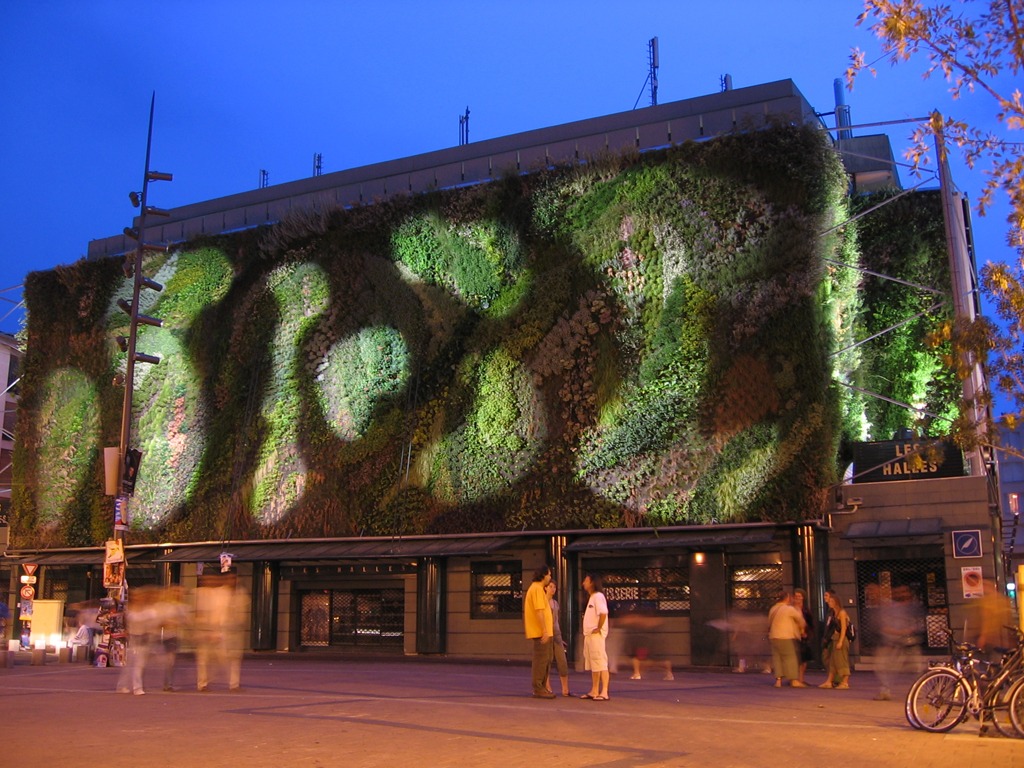
Les Halles d’Avignon Avignon is a market site in Avignon, occupying ground that was one of the city’s busiest commercial hubs in the Middle Ages. The market brought together tightly regulated everyday trade and valuable goods arriving through Avignon’s Rhône and Mediterranean connections. You can explore its place in the city’s history through the Avignon: Where the Templars Fell tour.
What is Les Halles d’Avignon?
Les Halles d’Avignon is associated with the medieval market that once occupied this site. It was not simply an open area for buying food: it was a structured centre of exchange, arranged around traders, products and rules enforced by city authorities.
What was the medieval market at Les Halles like?
The market was laid out in rows of wooden stalls and stone counters. Established traders could rent permanent stalls year-round, while temporary booths appeared on market days and during seasonal fairs.
Organisation followed guild and product type. Bakers, butchers, fishmongers and greengrocers had distinct sections, giving the market a practical order even as people, produce and seasonal trade moved through it.
How was trade regulated at Les Halles d’Avignon?
City authorities regulated the market, and the papal administration continued that oversight after the popes settled in Avignon. Prices were fixed to prevent gouging, while weights and measures were inspected for accuracy.
The controls could be severe: low-quality goods could be confiscated or destroyed on the spot. Bread received especially strict price controls because it was a staple food for most residents. The market’s rules therefore reached into the basic cost and quality of what people bought there.
What could you find at the market?
The stalls connected Avignon’s local agriculture and river trade with goods from farther away. Bakers sold loaves, and butchers displayed fresh meat from local herds. Fishmongers offered freshwater fish from the Rhône alongside salted sea fish brought from Marseille.
Greengrocers sold seasonal fruit, vegetables and fresh herbs grown on the Île de la Barthelasse and nearby farms. Grocers could also work as spice merchants, selling imported pepper, saffron and cinnamon in small, precious quantities.
Avignon’s position along the Rhône and its Mediterranean connections also made the market a hub for wool, linen and luxurious silks. These higher-value fabrics sat within the same commercial world as bread, meat and vegetables.
What should you notice about Les Halles d’Avignon?
As you walk through Avignon, keep one contrast ready to point out to your companion: this market joined strict controls on bread, weights, measures and poor-quality goods with the trade in precious spices and luxurious fabrics. That tension explains why the site matters—not as a generic market, but as a place where daily survival and long-distance commerce met under official rules.
For the wider historical context around Les Halles d’Avignon, continue with the Avignon: Where the Templars Fell tour.
The tour that visits Les Halles d'Avignon
Each one is a self-guided route you can start whenever you like.

Avignon · 1h 55m
Avignon: Where the Templars Fell
Step into Avignon's shadowy past on a self-guided walking tour tracing the dramatic downfall of the Knights Templar. Explore iconic sites like the Tour Philippe-le-Bel, Pont Saint-Bénézet, and Palais des Papes. Uncover secrets of faith, betrayal, and hidden relics as you walk in the footsteps of exiled knights and powerful popes. Each stop offers immersive stories, historic intrigue, and a touch of medieval mystery—perfect for history lovers and fans of the Cursed Kings saga.
- places
- Avignon
- Les Halles d’Avignon
- medieval markets
- Avignon history