
Bucharest, Romania2 min read
Monteoru Palace Bucharest: Royal Foundation and Cultural History
Monteoru Palace on Google Maps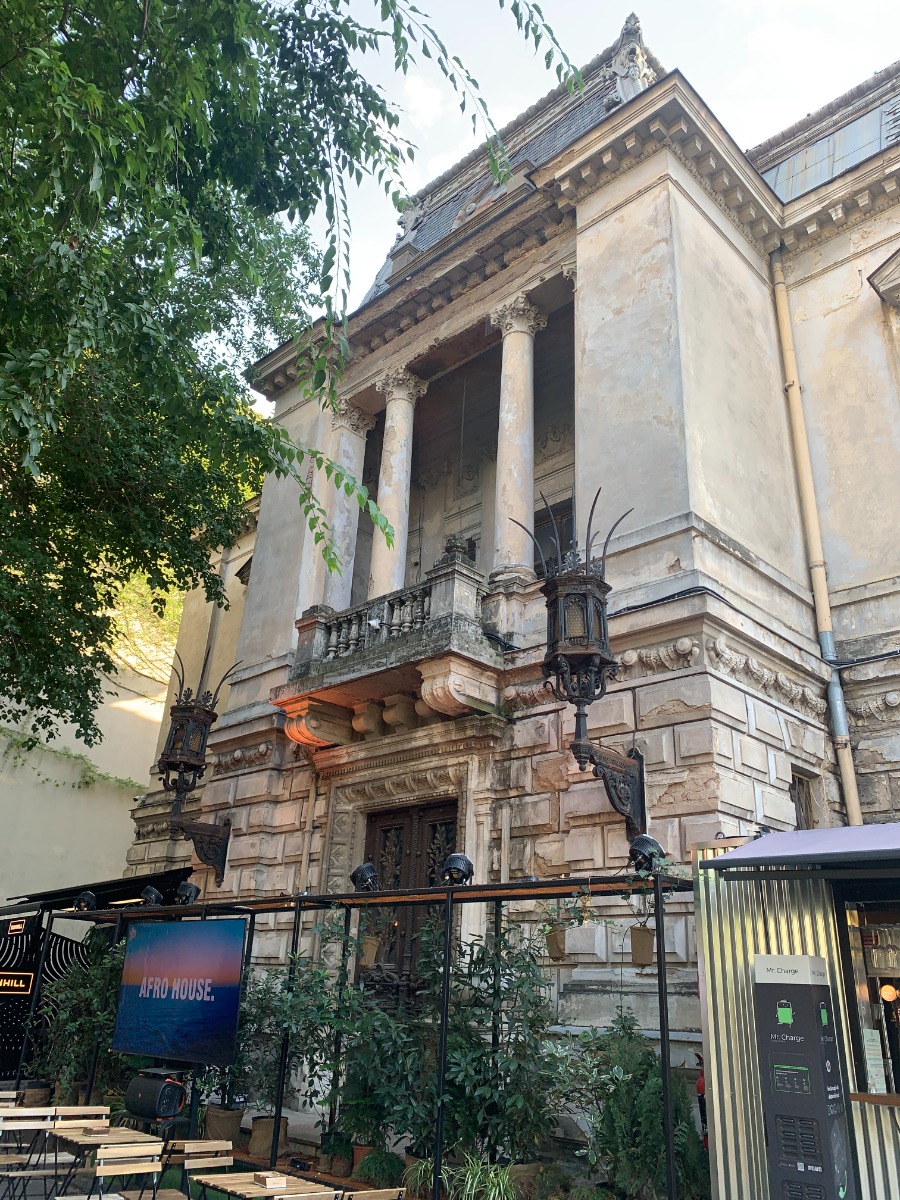
Monteoru Palace in Bucharest, also known as Monteoru House, is a historic house and monument that now operates as the bar and restaurant Grand Café de Bucharest. It was also the home of the Royal Foundation, giving the building a direct connection to royal philanthropy and the cultural life of interwar Romania.
What is Monteoru Palace in Bucharest?
Monteoru Palace is a historic Bucharest house associated with the Royal Foundation. Its present-day function as Grand Café de Bucharest sits alongside a more politically and culturally charged past: the building was not only a monument connected to royal philanthropy, but also a place where writers and cultural figures negotiated their relationship with the monarchy.
The palace’s significance comes from that overlap between physical heritage and institutional life. The Royal Foundation made it a setting for cultural activity, while its connections to the crown placed creative work inside wider arguments about power, influence and tradition.
Why does Monteoru Palace matter to Bucharest’s cultural history?
Monteoru Palace mattered because, during the 1920s and 1930s, it was described as an intellectual battleground where Romania’s writers and cultural figures competed for influence. Literary figures such as Mihail Sadoveanu and Tudor Arghezi represented opposing temperaments and views that met in the palace’s debates.
Those arguments reached beyond literary taste. People at the palace debated whether art should support the crown or challenge it, while royal patronage could help or damage a creative career. Censorship was feared and sometimes outwitted, making the palace a place where cultural expression was tied to risk as well as recognition.
Its importance also lay in its relationships. Creative alliances were formed and broken there, so Monteoru Palace functioned as more than a backdrop for cultured gatherings: it was part of the network through which interwar writers and cultural figures tested ideas, loyalties and influence.
What should you notice at Monteoru Palace?
Look for the artistic motifs and discreet plaques identified in the tour material as physical clues to Monteoru Palace’s cultural past. They are not a complete explanation of the building, but they connect its visible details with the creative conflicts associated with the Royal Foundation.
The Foundation’s gatherings in 1935 sometimes ended in improvised poetry duels. Another story preserved in the palace’s cultural record tells of Tudor Arghezi threatening to write a satirical epic about the royal librarian. These details give the building’s history a distinctly sharp-edged character: literary life here could involve performance, rivalry and mockery as well as patronage.
Monteoru Palace appears as stop 5 of 11 on Life in Interbelic Bucharest: From Salons to Streets. The route offers a way to connect the palace’s artistic motifs and discreet plaques with the debates, poetry duels and rivalries that made its interwar cultural life distinctive.
For a closer look at how Monteoru Palace connects royal institutions with Bucharest’s literary history, follow the interwar Bucharest route and use the building’s surviving clues as prompts for further attention.
The tour that visits Monteoru Palace
Each one is a self-guided route you can start whenever you like.
Bucharest · 2h 40m
Life in Interbelic Bucharest: From Salons to Streets
Explore the glamour and grit of interwar Bucharest, where poets and politicians clashed in cafés, spies whispered in hotel lobbies, and modernity soared above cobbled streets. This immersive walking tour guides you through iconic salons, literary battlegrounds, and sites of quiet revolution, revealing the city's vibrant culture between the World Wars. Perfect for history buffs, literature lovers, and curious wanderers.
- places
- Bucharest
- Monteoru Palace
- Romanian cultural history
- Royal Foundation
- interwar Bucharest