
Gdańsk, Poland3 min read
Museum of Gdańsk - Main Town Hall Gdańsk
Museum of Gdańsk - Main Town Hall on Google Maps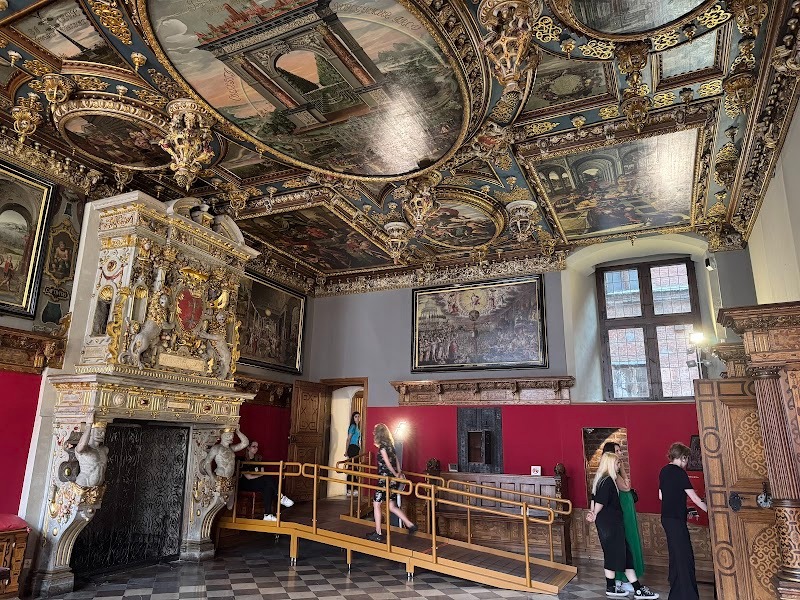
The 83-metre tower of the Museum of Gdańsk - Main Town Hall Gdańsk was topped in 1561 with a gilded statue of King Sigismund II Augustus. The building is Gdańsk's Main Town Hall: a city hall in the Old Town, where the city's government, justice system, and trading power were concentrated.
What is the Museum of Gdańsk - Main Town Hall?
The Museum of Gdańsk - Main Town Hall is a city hall standing in the Old Town, a quarter of Śródmieście and the oldest area of Gdańsk to receive city rights or privileges. The building served as the seat of the City Council and the Court of Justice, giving its rooms both legislative and judicial importance.
That combination made the Main Town Hall more than an administrative address. Decisions made inside it affected how goods moved through the city, how taxes were collected, and how Gdańsk's burghers dealt with Polish monarchs.
What changed the Main Town Hall after the 1556 fire?
A fire in 1556 led to a significant reconstruction that transformed the building's Gothic core into a Mannerist administrative hub. Its new form matched the expanding responsibilities handled inside the Main Town Hall, where civic government and commercial regulation operated together.
The tower reaches 83 metres and became a practical signal as well as a striking part of Gdańsk's skyline. When it received the gilded statue of King Sigismund II Augustus in 1561, the figure served as a landmark for approaching traders and as a weather vane for the port.
What happened in the Main Town Hall's Red Room?
The Red Room, also called the Great Council Chamber, was completed in the early 17th century, with its ceiling painted by Izaak van den Blocke in 1608. This was the legislative centre where the Council of Forty-Eight managed trade regulations, set taxes on grain and timber, and enforced the Right of Staple.
The Right of Staple required merchants transporting goods through the Vistula to offer their goods for sale in Gdańsk for three days before continuing. In the Red Room, a rule about river cargo became a direct tool of the city's trade policy.
The hall also hosted political negotiations between Gdańsk's independent-minded burghers and Polish monarchs. Council members were major stakeholders in Hanseatic trade and often resisted royal interference in maritime laws. Massive tolls collected on the Vistula funded this political leverage and helped make the Gdańsk treasury one of Northern Europe's most solvent during the 16th century. The Gdańsk Golden Age tour uses the Main Town Hall to examine this connection between the building and the city's commercial power.
How can you place the Main Town Hall in Gdańsk's story?
The Main Town Hall brings civic government, justice, port trade, taxation, and negotiations with Polish monarchs into one building. Its reconstructed Mannerist form, 83-metre tower, and Red Room each point to a different part of Gdańsk's authority: the city governed, judged, taxed, and defended its control of trade from here.
The building is stop 2 of 8 on The Merchant Republic - Gdańsk's Golden Age (1550-1650). Follow that route when you want to place the Main Town Hall within the wider historical story of Gdańsk's trading power.
The tour that visits Museum of Gdańsk - Main Town Hall
Each one is a self-guided route you can start whenever you like.
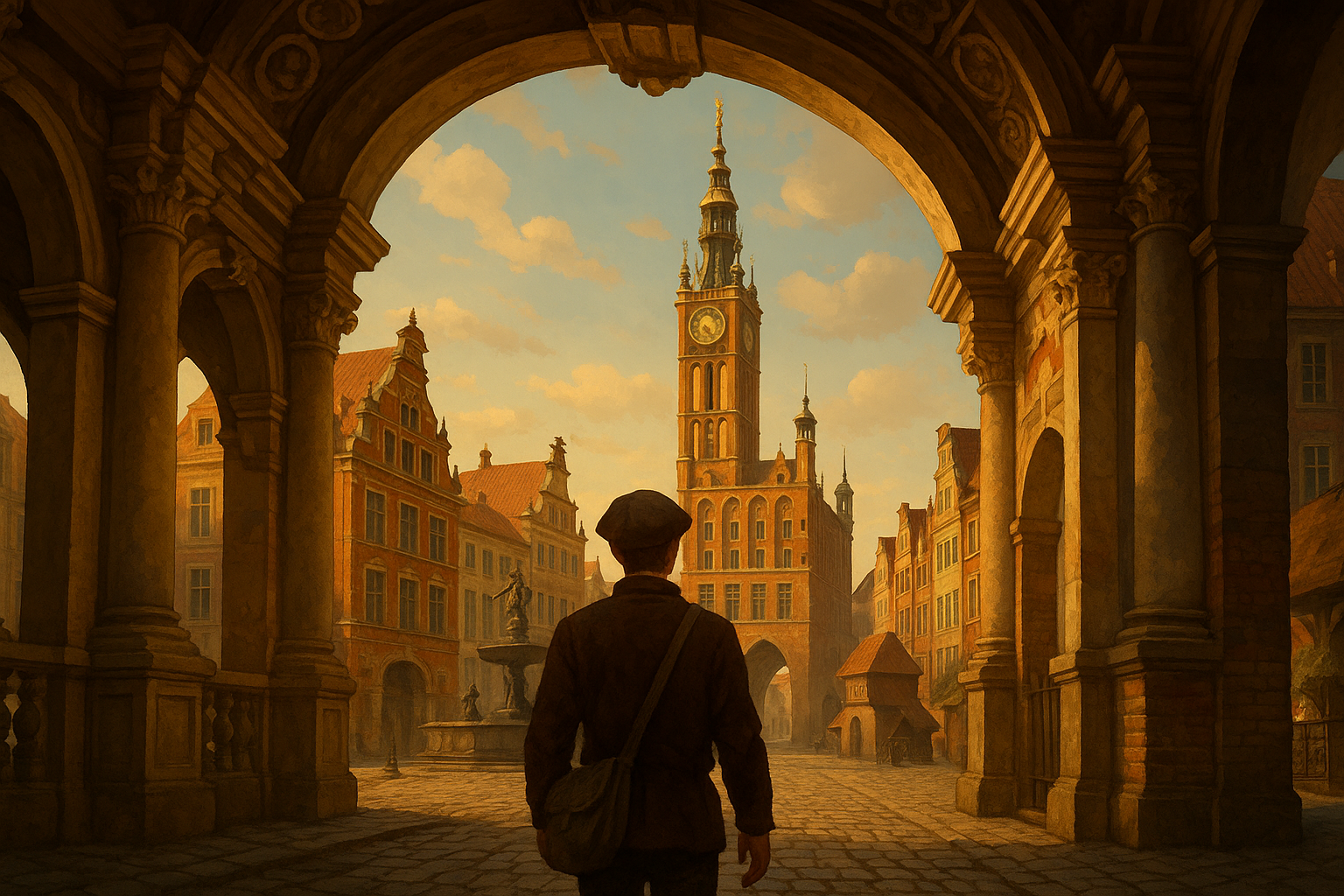
Gdańsk · 1h 20m
The Merchant Republic — Gdańsk’s Golden Age (1550–1650)
Discover Gdańsk's Golden Age on this immersive walking tour through the Main Town. Explore stunning Flemish Mannerist architecture, legendary merchant halls, and iconic landmarks like the Golden Gate, Artus Court, Neptune's Fountain, and the mighty Crane. Step into the world of 16th–17th century trade, culture, and opulence.
- places
- Gdańsk
- Main Town Hall
- Museum of Gdańsk
- Gdańsk history
- city landmarks