
Nara Park is a public park in Nara, Japan, at the foot of Mount Wakakusa. Established in 1880, it is one of Japan's oldest parks and is known for more than 1,200 wild sika deer that roam freely through a landscape connected with temples, shrines and centuries of cultural history.
What is Nara Park?
Nara Park is administered by Nara Prefecture and is designated as one of the Places of Scenic Beauty by Japan's Ministry of Education, Culture, Sports, Science and Technology (MEXT). Its official area is about 502 hectares.
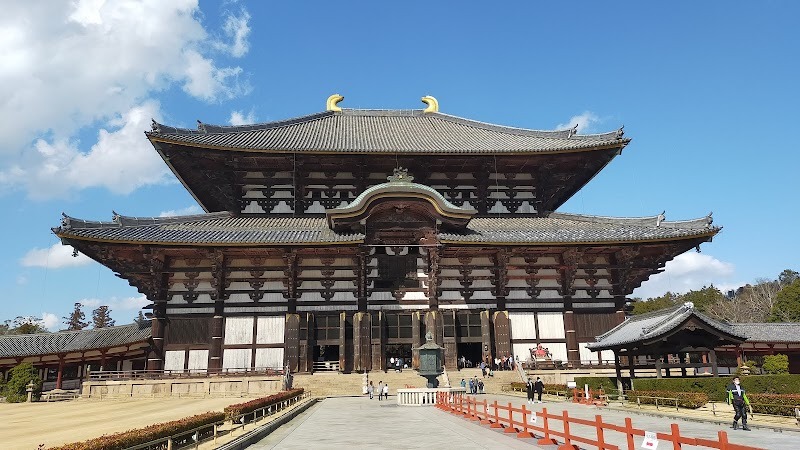
The name describes more than a conventional green space. The wider area, including the grounds of Tōdai-ji, Kōfuku-ji, Kasuga Grand Shrine and Nara National Museum, covers as much as 660 hectares. These sites stand on the edge of, or are surrounded by, Nara Park, creating a continuous historic setting beneath Mount Wakakusa.
Why are there deer in Nara Park?
The deer are in Nara Park because they hold a distinctive cultural status: more than 1,200 wild sika deer roam freely there, and MEXT classifies them as natural treasures.
The deer have been considered divine messengers since the 8th century. The tradition associated with Kasuga Shrine says that when the shrine was founded in 768 AD, a deity arrived riding a white deer. That story links the animals to the sacred landscape and helps explain why they have been revered by emperors, monks and pilgrims across centuries.
The deer are therefore not simply wildlife within the park. Their presence connects Nara Park to a long tradition of religious reverence, while their continued movement through the public landscape makes that history visible in an unusually direct way.
What can you see in Nara Park?
Nara Park is recognisable for the way freely roaming deer share a historic landscape with ancient lanterns and cherry blossoms. The animals are not kept in a separate enclosure; they move through the same broad setting associated with the surrounding temples, shrines and museum.
That combination of scale and setting is central to the park's identity. The official 502-hectare park expands into a wider 660-hectare area around Tōdai-ji, Kōfuku-ji, Kasuga Grand Shrine and Nara National Museum, with Mount Wakakusa forming its natural backdrop.
What should you notice when you walk through Nara Park?
Notice the deer as part of Nara Park's living tradition, especially the way they may bow to visitors in exchange for a special senbei cracker. The gesture is presented as part of a tradition associated with more than a millennium of history, connecting an everyday encounter with the park's long cultural memory.
If you want to explore Nara Park as one point within a wider interactive route, Nara's Nimble excavation visits it as stop 4 of 7. It offers a way to continue exploring Nara through a route built around local stories and challenges, while leaving the park's open landscape and its deer to be discovered on foot.
The tour that visits Nara Park
Each one is a self-guided route you can start whenever you like.

Nara · 1h 40m
Nara's Nimble excavation
Uncover Nara's legendary heart with the Great Buddha as your guide! This self-paced walking tour leads you from Kintetsu Nara Station through ancient temples, vibrant shrines, and the enchanting Nara Park—home to friendly sika deer. Marvel at centuries-old pagodas, explore world-class museums, and climb to moonlit halls, all while unraveling fun facts, immersive stories, and local legends. Perfect for history buffs, families, and curious explorers.
- places
- Nara
- Nara Park
- Japan
- sika deer
- Japanese history