
Genoa, Italy2 min read
Piazza San Matteo Genoa: Doria Power and Medieval Details
Piazza San Matteo on Google Maps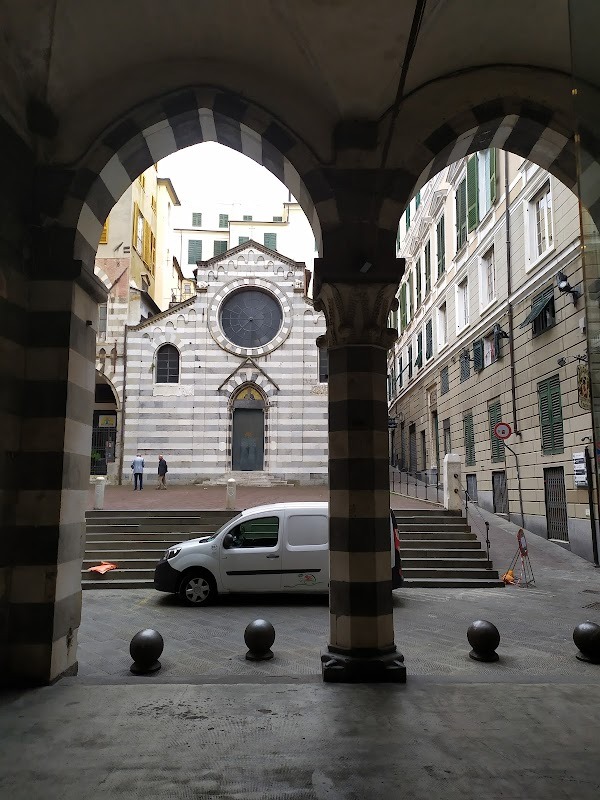
Piazza San Matteo in Genoa is a medieval square in the heart of the city’s historic centre. It was once the private domain of the powerful Doria family, and its striped palazzi, marked by black-and-white facades, remain the square’s defining architectural feature.
The square’s identity comes from the close connection between its buildings and the Doria family’s influence in Genoa. Its facades were silent witnesses to private meetings and whispered bargains, giving Piazza San Matteo an association with ambition and political power as well as with the city’s financial history.
What is Piazza San Matteo in Genoa?
Piazza San Matteo is a medieval Genoese square associated above all with the Dorias and their private world. The black-and-white striped palazzi give the space a visual identity that is unusually specific to this powerful family setting: the buildings are not simply historic facades, but reminders of the influence concentrated around the square.
Why is Piazza San Matteo associated with Genoese power?
Piazza San Matteo is associated with Genoese power because the Doria connection brings together private influence, political ambition and the financial networks that supported maritime ventures.
In the 14th century, Genoese bankers, including families such as the Dorias, pioneered credit systems. The lettera di cambio, or bill of exchange, helped fund fleets, risky voyages and other maritime ventures. In Piazza San Matteo, the story of banking is therefore tied to a particular family’s buildings and to the private meetings and bargains associated with them.
The square’s financial associations also connect it to Christopher Columbus, described in the source as Genoa’s favorite son. His adventures benefited from the financial networks developed by Genoese banking families, including the Dorias.
What should you look for in Piazza San Matteo?
Start with the details attached to the square’s entrances and upper walls. Carved coats of arms above doorways point to the families and power represented by the surrounding palazzi, while the black-and-white facades make the architectural connection between the buildings especially easy to recognise.
Also notice the mysterious archways associated in local legend with secret passageways. The alleged tunnels beneath Piazza San Matteo should be treated as legend rather than established fact: the story says they allowed the Dorias to escape rivals and taxes, adding a tale of secrecy to the square’s documented associations with private meetings.
San Matteo church adds another distinctive object to the square. It houses a sword said to have belonged to Admiral Andrea Doria, linking the church to the naval and political figure whose name is central to the square’s history.
How can you explore Piazza San Matteo?
Examine Piazza San Matteo’s striped facades, carved doorways and mysterious archways in person, then use those details as prompts to follow the wider stories of Genoese finance, maritime ambition and the Doria family. The Genoa: Cradle of Shipbuilders and Maritime Power route includes Piazza San Matteo among its stops and turns the square’s open questions into part of an interactive exploration without giving away the answers.
The tour that visits Piazza San Matteo
Each one is a self-guided route you can start whenever you like.

Genoa · 1h 45m
Genoa: Cradle of Shipbuilders and Maritime Power
Embark on a self-guided adventure through Genoa's maritime heart! Discover medieval piazzas, legendary docks, grand palaces, and the secrets of Genoese bankers and sailors. Explore historic sites, panoramic views, and the iconic Lanterna lighthouse while tracing the city's rise and transformation from medieval powerhouse to modern maritime hub.
- places
- Genoa
- Piazza San Matteo
- Doria family
- Genoese history
- medieval squares