
Paris, France2 min read
Place de la Bastille, Paris: What the Site Represents
Place de la Bastille on Google Maps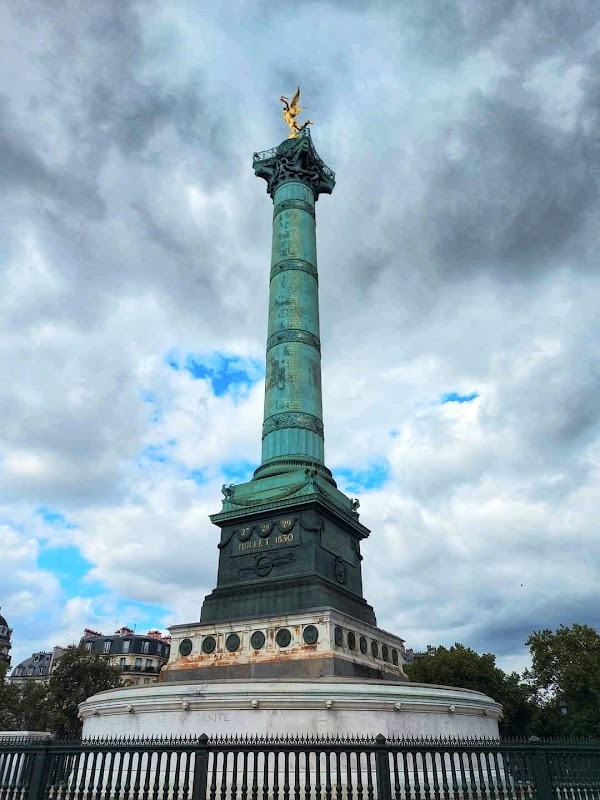
Place de la Bastille is the Paris square where a vanished prison became the setting for a transfer of sovereignty from the Crown to the people. The Bastille itself was destroyed within a year, but the storming on 14 July 1789 changed the political meaning of the city and left this site inseparable from the French Revolution.
What is Place de la Bastille?
Place de la Bastille is a square in Paris on the former site of the Bastille Prison. The prison was stormed during the French Revolution, then physically destroyed between 14 July 1789 and 14 July 1790. No vestige of the prison remains, so the historical importance of the square comes from the event that occurred there rather than from surviving fortress walls.
Why was the Bastille stormed on 14 July 1789?
The attack had a practical military purpose: the Bastille was a military citadel and gunpowder magazine whose position allowed it to command the Faubourg Saint-Antoine. On the morning of 14 July, approximately 30,000 insurgents had seized 32,000 muskets from the Hôtel des Invalides, but the armory had no gunpowder.
The royal government had transferred the city's reserve of 250 barrels to the Bastille. The crowd therefore demanded the surrender of the powder and the withdrawal of the fortress's artillery, which the Marquis de Launay had aimed at neighbouring streets. When the governor refused to surrender, the conflict escalated.
The Gardes Françaises, professional soldiers who had defected to the Revolution, brought five cannons. Those guns were used against the fortress gates, and the siege ended with the Bastille's surrender. The 1789 French Revolution Grand Tour follows this specific chain of military and political events at the site.
What did the fall of the Bastille change?
The immediate consequences reached beyond the fortress. Following the breach, the crowd executed the Marquis de Launay and several of his Swiss guards. Royal troops withdrew from the city centre, and the National Assembly received political recognition.
The storming also marked a shift of sovereignty from the Crown to the people. In Paris, the National Guard became the new guarantor of order. That combination of military action, political recognition and a new authority is why the square represents more than the memory of a prison.
What remains of the Bastille at Place de la Bastille?
Nothing from the Bastille Prison survives at the square as a standing vestige. Within days of the fall, the entrepreneur Pierre-François Palloy was commissioned to dismantle the structure. Debris from the prison was used to create standardised stone models distributed to the newly formed departments across France.
Before exploring the square, send this page to the companion who wants to understand what you are standing on: the fortress has disappeared, but its capture remains the site's defining fact. To follow the events through a self-guided route, visit the 1789 French Revolution Grand Tour.
The tour that visits Place de la Bastille
Each one is a self-guided route you can start whenever you like.
Paris · 2h 55m
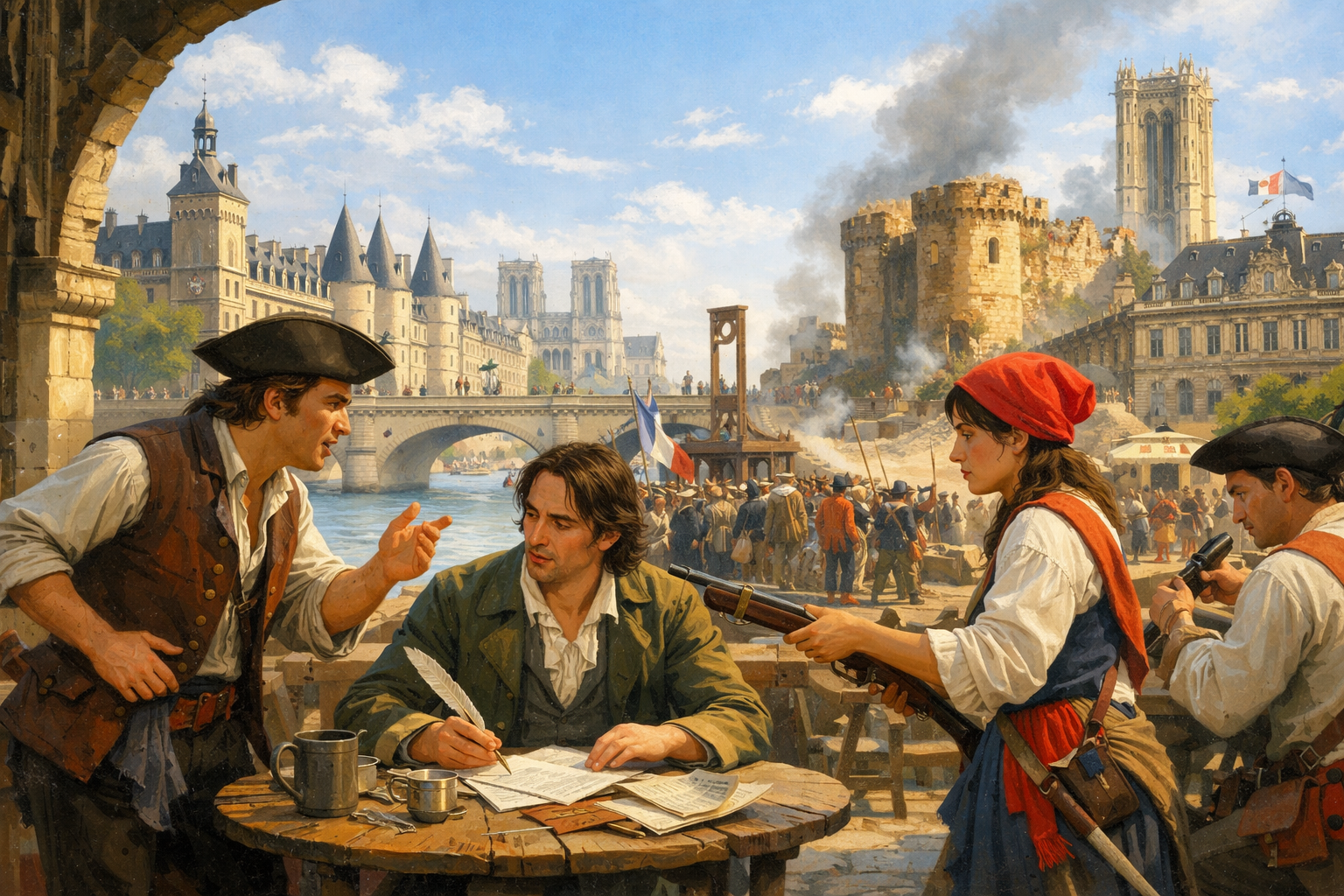
1789 French Revolution Grand Tour
Trace the radical pulse of Paris from the first sparks of 1789's revolution. Hunt ground markings and relics of revolution as you cross bridges, palaces, and prisons. Discover how Paris's architecture became both witness and weapon in the making of modern liberty.
- places
- Paris
- French Revolution
- Place de la Bastille
- history
- self-guided tours