
Paris, France3 min read
Place de la Concorde: Paris’s Largest Square and Revolution Execution Site
Place de la Concorde on Google Maps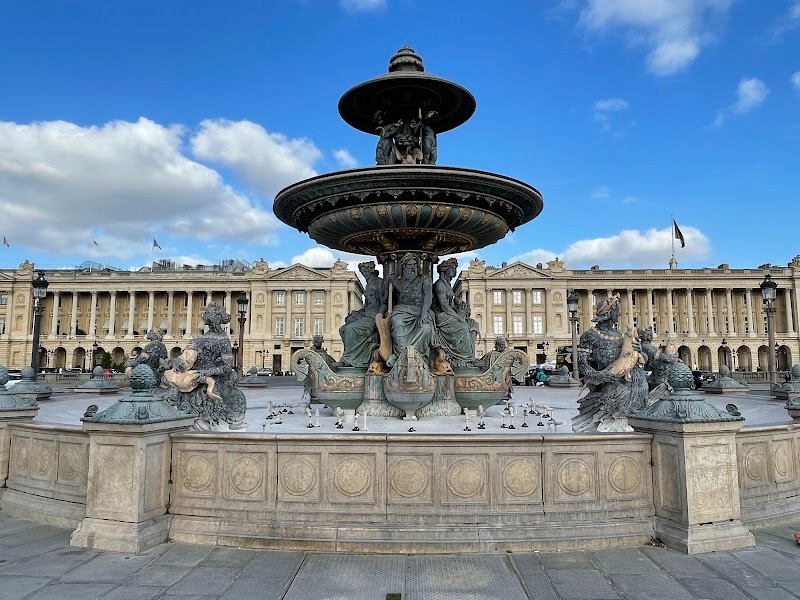
Place de la Concorde is a public square in Paris, in the 8th arrondissement at the eastern end of the Champs-Élysées. Measuring 7.6 ha, it is the largest square in the city—and the site where the Revolution’s guillotine stood for high-profile executions. Its names trace the square’s shift from royal monument to revolutionary stage.
What is Place de la Concorde?
This is Paris’s largest public square, occupying 7.6 ha in the 8th arrondissement, at the eastern end of the Champs-Élysées. Its name sequence records the political history attached to the space: it was originally called Place Louis XV, later Place Louis XVI, and during the Revolution it became Place de la Révolution.
The change from a king’s name to “Revolution” was not just a change of sign. The square’s identity moved with the events taking place there, turning a royal public space into a central setting for the dismantling of the Old Regime.
Why is Place de la Concorde important in French history?
Its importance comes from the way royal symbolism was physically removed and replaced. In the early years after the 1789 uprising, the site was still known as Place Louis XV, representing a fading monarchy. As the Revolution radicalized, it became the primary stage for dismantling the Old Regime.
In 1792, the equestrian statue of the King was pulled down and replaced by a terra-cotta statue of Liberty. The square was then rechristened Place de la Révolution. By 1793, it had become the grim epicentre of the Reign of Terror and the permanent home of the guillotine for the Revolution’s most high-profile targets.
What happened at Place de la Concorde during the Revolution?
Louis XVI was executed here in January 1793, an event the 1789 French Revolution Grand Tour describes as the absolute end of divine right. Robespierre died at the square in July 1794; according to the tour material, his death finally exhausted the public appetite for blood.
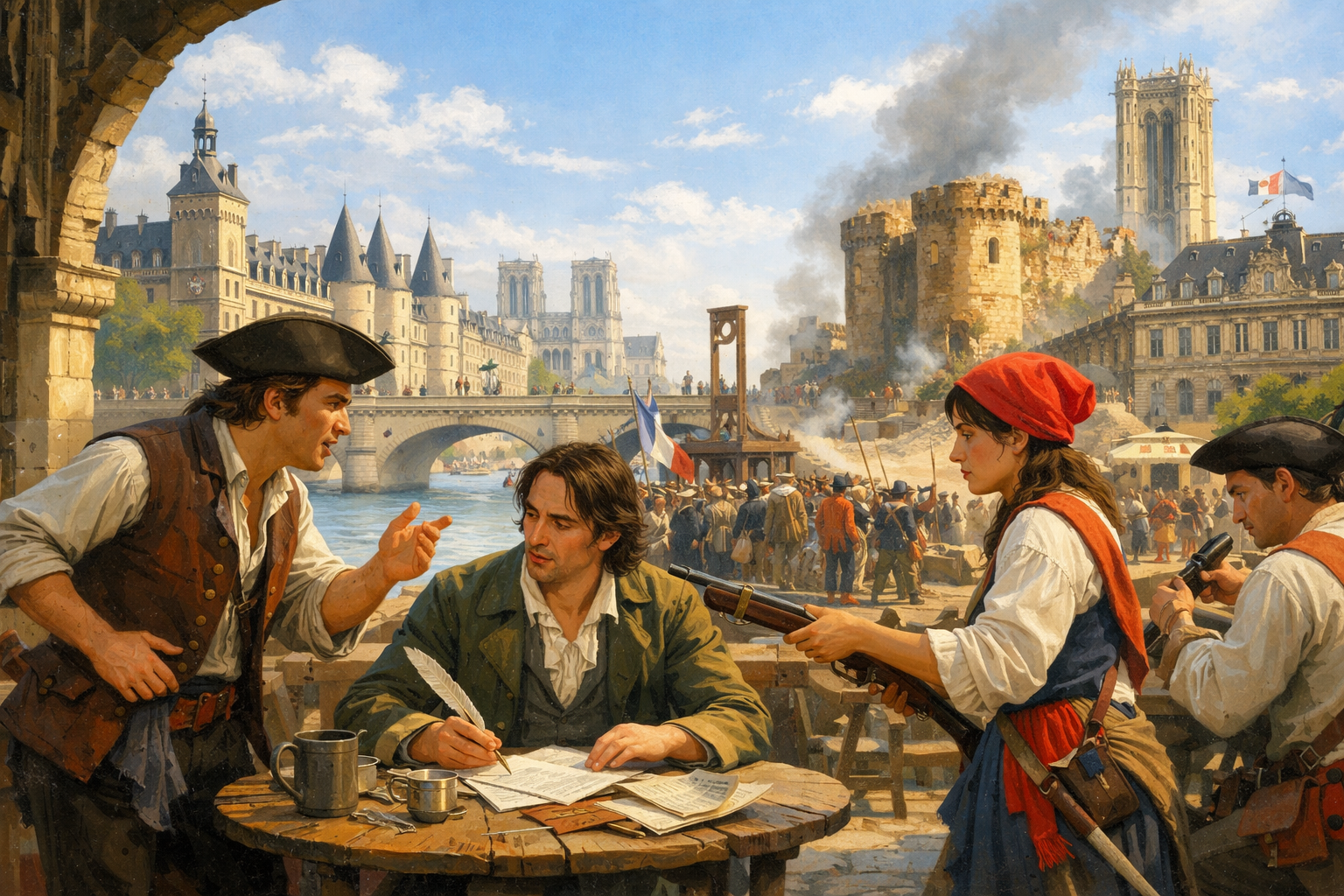
The executions were preceded by the “Procession of the Condemned.” Most prisoners were held at the Conciergerie, a medieval fortress described as the “antechamber to death,” then transported in open wooden carts called tumbrels, or charrettes. Their procession moved through Paris for hours before reaching the guillotine in the square.
This makes the square a place of historical movement as well as a site of execution: the condemned were taken through the city toward this particular open space. The square is stop 10 of 10 on the 1789 French Revolution Grand Tour, placing its history within the wider revolutionary route without reducing it to a single monument.
What should you notice when you visit Place de la Concorde?
Read the square through its changing names. Place Louis XV, Place Louis XVI and Place de la Révolution describe three different political meanings attached to the same Parisian space, while the present name stands in contrast to those earlier titles.
Use its location and scale to understand its role. At the eastern end of the Champs-Élysées and spread across 7.6 ha, the square provided an expansive setting for the movement of condemned prisoners toward the guillotine. Its open form connects the physical place beneath you with the public processions and executions recorded in its revolutionary history.
Save this page before you go, or share it with the person standing beside you, then take the 1789 French Revolution Grand Tour to encounter the square as part of the history that led to it.
The tour that visits Place de la Concorde
Each one is a self-guided route you can start whenever you like.
Paris · 2h 55m
1789 French Revolution Grand Tour
Trace the radical pulse of Paris from the first sparks of 1789's revolution. Hunt ground markings and relics of revolution as you cross bridges, palaces, and prisons. Discover how Paris's architecture became both witness and weapon in the making of modern liberty.
- places
- Paris
- Place de la Concorde
- French Revolution
- Paris history
- city exploration