
Tangier, Morocco3 min read
Plage Municipale Tangier: The City Beach of the International Zone
Plage municipale on Google Maps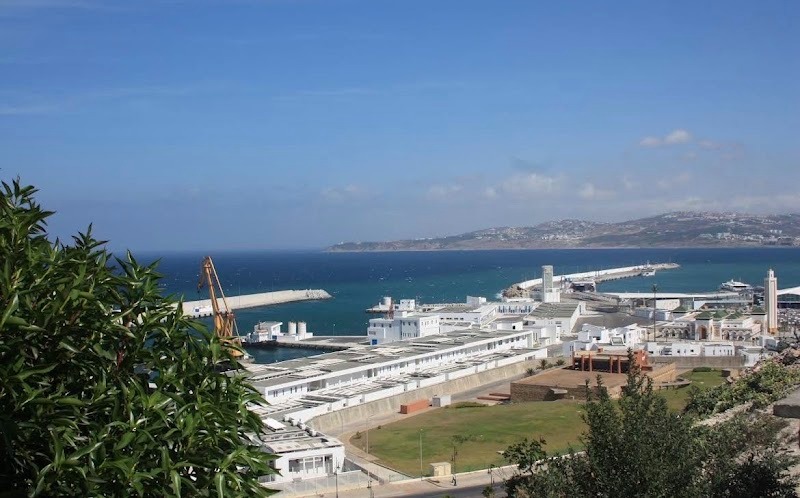
Plage Municipale Tangier, also known as Tangier City Beach, was the epicentre of the city's social and recreational life throughout the 1920s, 1930s and 1940s. Its broad shoreline of golden sand reached toward the base of the Ville Nouvelle, before the waterfront took on the more modern appearance of the Corniche de Tanger.
During the International Zone era, this beach was a shared public setting where diplomats in linen suits, local traders and expatriate artists encountered one another. The open sand and Mediterranean breeze created a relaxed "interzone" atmosphere in which the usual social boundaries of the city became less rigid.
What is Plage municipale Tangier?
Plage Municipale is Tangier's historic city beach and one of the places most closely associated with the city's International Zone. In the 1920s, 1930s and 1940s, it was not simply a place for bathing: it was the main social and recreational stage of the waterfront.
Its setting helped give it that role. The shoreline was a vast, open expanse of golden sand stretching toward the Ville Nouvelle, and it was far less manicured than the modern Corniche de Tanger. That openness made the beach a democratic meeting ground, bringing together people whose lives might otherwise have remained separate.
What made Tangier City Beach distinctive in the International Zone?
Tangier City Beach was marked by wooden beach clubs and cabanas along the upper edge of the sand during the 1930s and 1940s. The Beach Club and the terraces of nearby hotels such as the Hotel Cecil became daytime gathering places for the city's bohemian set.
The beach's recognised users included writers Tennessee Williams and Paul Bowles, who were described spending time beneath striped umbrellas. From the shoreline, people could watch ferries arriving from Algeciras while the Spanish coastline shimmered across the Strait of Gibraltar.
That outlook made Plage Municipale useful for more than swimming. It was a place for observation and conversation, where people watched ship movements and, according to the account of the beach, intelligence officers could blend into the scene as sunbathers while secrets were exchanged over tea.
By the late 1940s, the waterfront around the beach was changing. Streamlined Art Deco apartment buildings began rising along the shore as Tangier modernised and accommodated an influx of refugees and businessmen. The older beach clubs, hotel terraces and new apartment buildings together made Plage Municipale a visible symbol of Tangier's freedom and cosmopolitanism.
Where does Plage municipale sit in Tangier's story?
Plage Municipale sits where Tangier's open shoreline met the Ville Nouvelle and the city's maritime outlook. Its importance came from this combination: the beach offered shared public space, the water connected Tangier to Algeciras and Spain, and the waterfront gathered beach clubs, hotel terraces and later Art Deco apartments in one setting.
The contrast between the broad, less-manicured historic beach and the modernising waterfront captures the changing character of the International Zone. Plage Municipale was both an everyday beach and a place where diplomats, traders, artists, hotel guests and observers occupied the same stretch of shore.
It is also the seventh and final recorded stop on The Tangier International Zone. The route places Plage Municipale within the wider story of the zone, while the beach itself remains the specific waterfront setting where Tangier's social mix, international connections and modernising skyline came together.
To explore the beach as part of that historical route, follow The Tangier International Zone tour.
The tour that visits Plage municipale
Each one is a self-guided route you can start whenever you like.
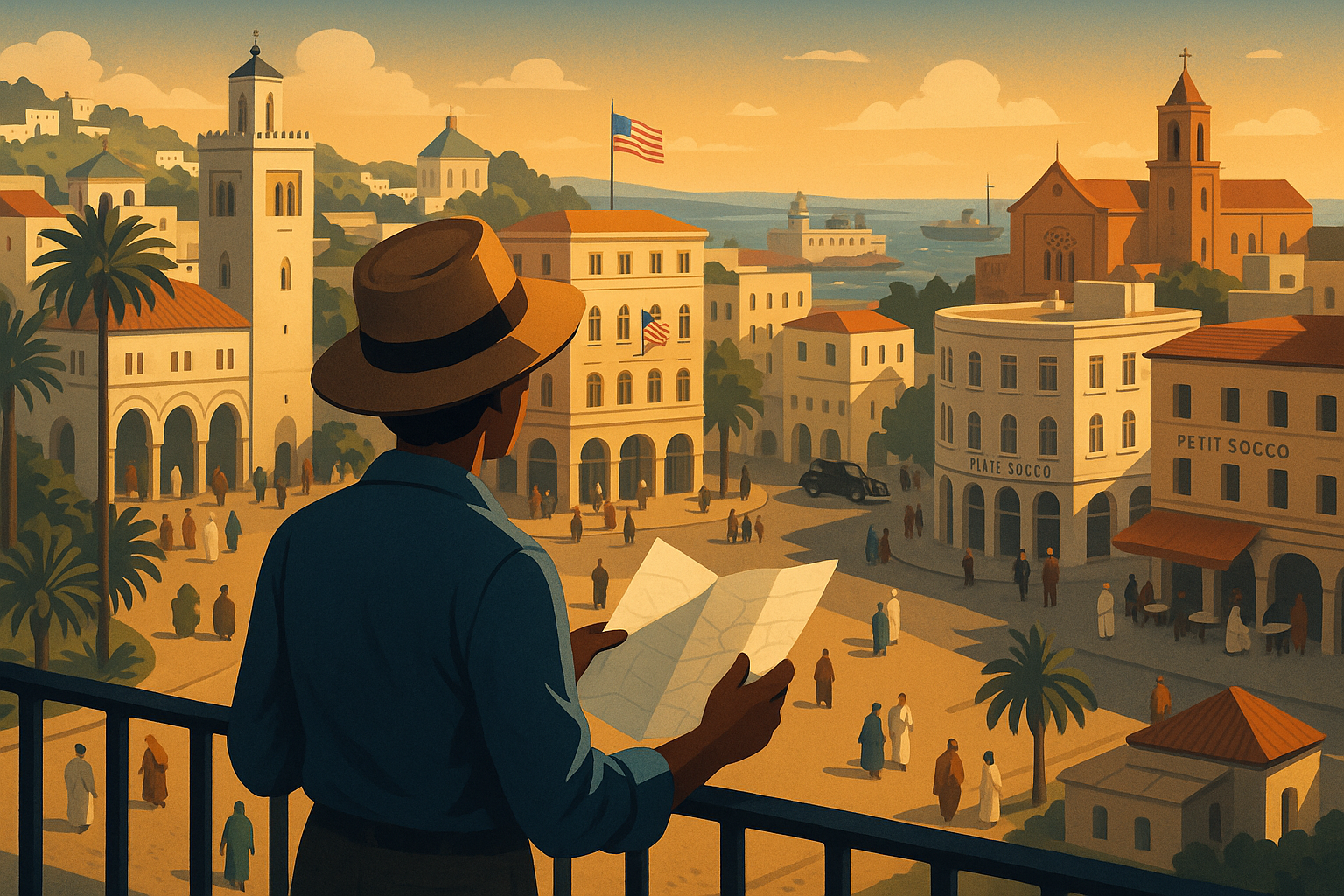
Tangier · 1h 35m
The Tangier International Zone
Uncover Tangier's most thrilling era as you walk through its International Zone (1923–1956), where nine nations governed a city of intrigue, espionage, and financial daring. Explore squares, gardens, and embassies that reveal how Tangier became a global crossroads for diplomacy and clandestine trade. Perfect for history buffs and would-be spies alike.
- places
- Tangier
- Plage Municipale
- Tangier City Beach
- International Zone
- Morocco