
Salem, MA, United States2 min read
Proctor's Ledge Memorial, Salem, MA
Proctor's Ledge Memorial on Google Maps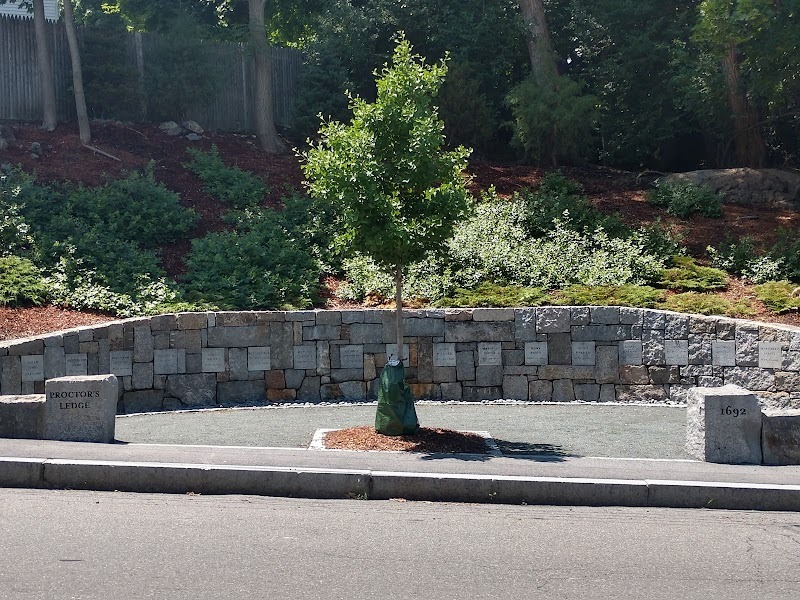
Proctor's Ledge Memorial in Salem, MA is the confirmed site associated with the 1692 executions. It marks a lower ledge area on Gallows Hill where nineteen people were hanged during the Salem witch trials, and where the present memorial was dedicated in 2017.
The Salem witch trials were hearings and prosecutions in colonial Massachusetts between February 1692 and May 1693. Proctor's Ledge Memorial gives that history a specific location: this is not simply a reference to Salem's trials, but the place recognized as their execution site.
What is Proctor's Ledge Memorial?
Proctor's Ledge Memorial is a memorial at the confirmed execution site on the lower part of Gallows Hill. Historical research led scholars and the City of Salem to recognize this location after many years in which people believed the hangings had taken place elsewhere on Gallows Hill.
The memorial was dedicated in 2017. Its significance comes from the location it marks: Proctor's Ledge is where the legal process reached its final consequence for the people condemned during the trials.
Why is Proctor's Ledge significant?
Proctor's Ledge is significant because nineteen people were hanged at this location. The site distinguishes the executions from the wider sequence of accusations, examinations, imprisonments and court proceedings that made up the Salem witch trials.
The location also corrects a long-standing misunderstanding about Gallows Hill. The hangings were associated with Gallows Hill for many years, but research identified this lower ledge area as the place recognized by scholars and the City of Salem. The Witches of Salem: Historical Trials & Memory Walk includes the memorial as a specific stop in its account of the trials and their aftermath.
What happened at the Salem witch-trials execution site?
More than 200 people were accused of witchcraft during the trials, and thirty were found guilty. Nineteen of those people were executed by hanging at Proctor's Ledge. Salem did not burn people accused of witchcraft; that idea is a myth associated with other witch-trial histories.
The memorial's history also belongs to the people who died outside the hanging site. Giles Corey was pressed to death after refusing to enter a plea, while at least five people died in disease-ridden jails without trial. These deaths form part of the broader record connected to what Proctor's Ledge represents.
By late 1692, doubts about the proceedings were growing. Governor William Phips dissolved the Court of Oyer and Terminer, and the use of spectral evidence came under increasing attack. The panic ended, but its effects remained in families, property, reputation and memory. The Salem historical trials and memory route places Proctor's Ledge within that documented context without turning the site into a simplified legend.
Proctor's Ledge Memorial therefore represents both a confirmed place and an enduring reckoning: the point where accusations became executions, and where the consequences of the 1692 proceedings remain attached to a specific Salem hillside.
The tour that visits Proctor's Ledge Memorial
Each one is a self-guided route you can start whenever you like.
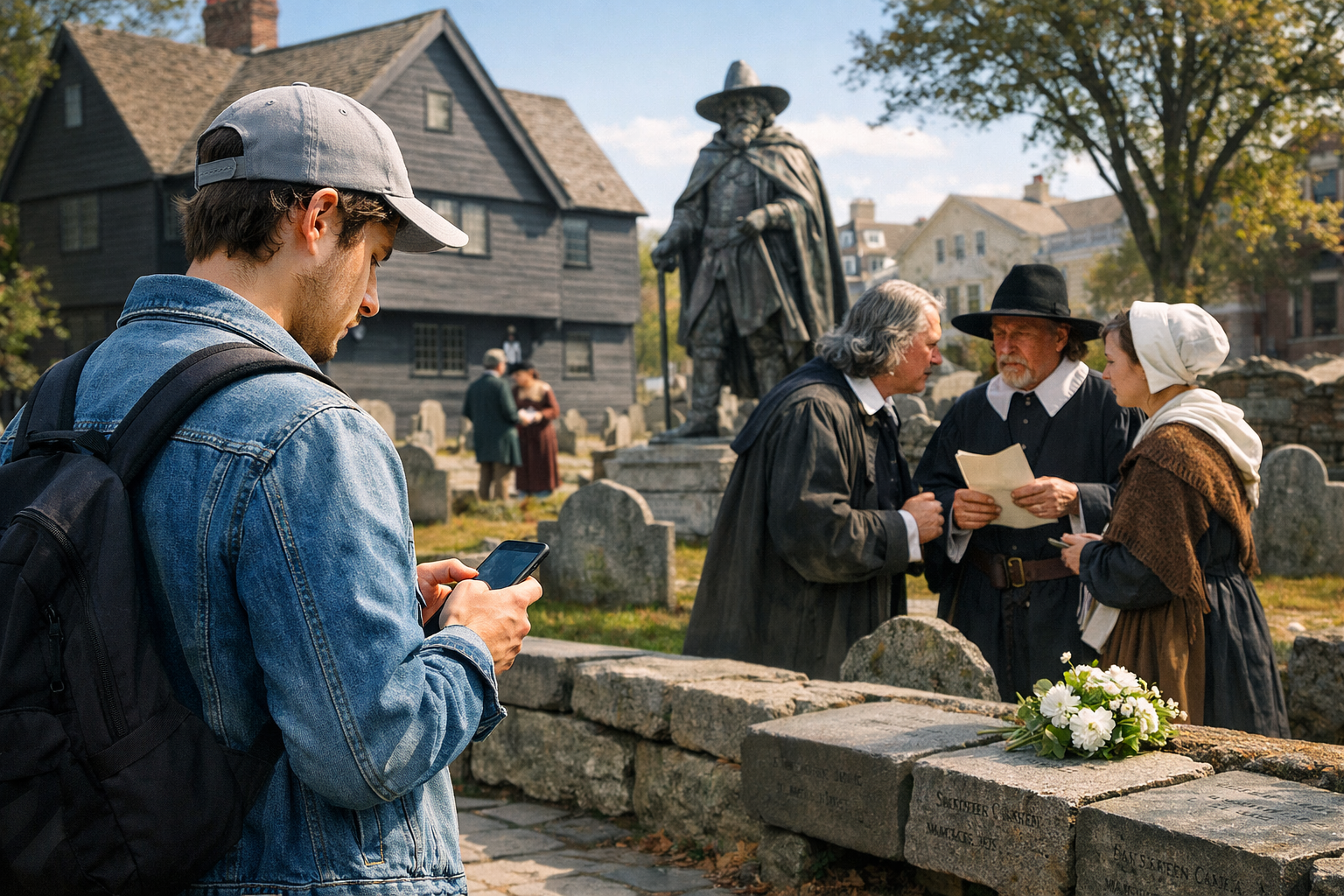
Salem, MA · 1h 45m
Witches of Salem: Historical Trials & Memory Walk
A walkable historical Salem tour that connects the 1692 witch trials into one clear story: Puritan beginnings, social tension, accusations, spectral evidence, legal failure, punishment, remembrance, and modern tourism. Includes the Witch House, Old Town House Site, Charter Street Cemetery, Witch Trials Memorial, Bewitched statue, and Proctor’s Ledge.
- places
- Salem, MA
- Proctor's Ledge Memorial
- Salem MA
- Salem witch trials
- Salem history