
Reykjavík, Iceland3 min read
Reykjavík Port: New Harbour and Old Harbour
Reykjavìk port on Google Maps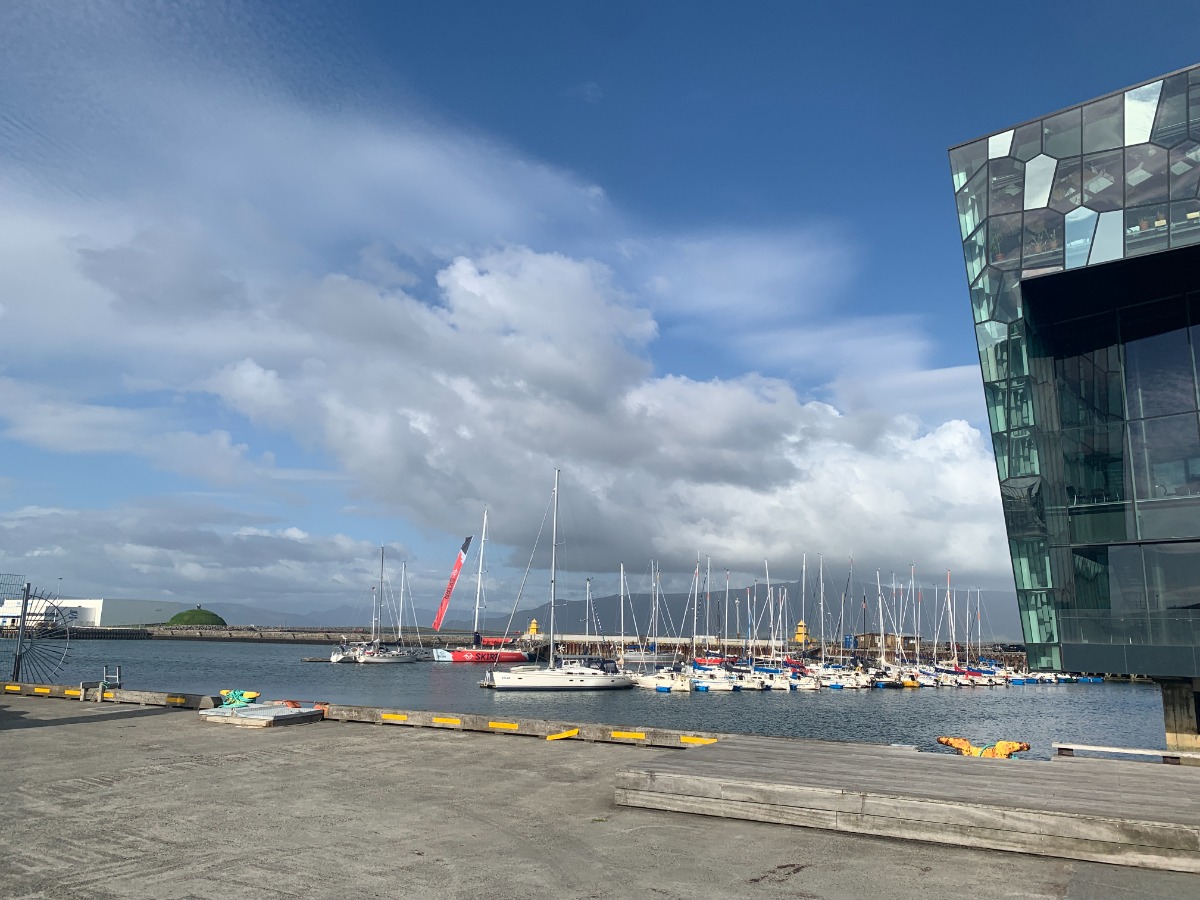
Reykjavík port is the harbour waterfront of Iceland’s capital and largest city, on the southern shore of Faxaflói bay in southwest Iceland. Its setting combines Reykjavík’s modern New Harbour, where cruise ships dock beside glass buildings, with the older waterfront of the Old Harbour across the water.
What is Reykjavík port?
Reykjavík port is the coastal harbour area where the city’s present-day maritime activity meets its older fishing and trading shoreline. Reykjavík sits on the southern shore of Faxaflói bay, and the port gives that coastal position a distinctly physical presence: water, working harbour buildings and the changing outlines of the waterfront are all part of the place.
The New Harbour is the clearest expression of the port’s contemporary side. Sleek cruise ships dock there, while modern glass buildings rise around the harbour setting. From this newer waterfront, the view across the water leads directly to the older harbour and its wooden buildings.
What is the difference between Reykjavík’s New Harbour and Old Harbour?
The defining difference is the contrast between the New Harbour’s cruise ships and modern glass buildings and the Old Harbour’s weathered wooden warehouses and deeper maritime history. From the New Harbour, you can look across the water towards the older waterfront rather than treating the two as unrelated parts of the city.
The Old Harbour was officially established in 1913, although the source describing Reykjavík port places its roots much deeper, stretching to Viking times. It was historically associated with Iceland’s fishing industry: fishermen hauled in cod, traders worked the waterfront and salted fish formed part of the harbour’s commercial life.
The wooden warehouses preserve the strongest visible trace of that earlier character. The oldest warehouse is described as having timeworn beams decorated with Norse dragon carvings, a detail connected in the source with ancient beliefs about protection from storms and sea monsters. Those carvings and weathered surfaces make the older harbour legible as more than a backdrop to the newer port.
What should you look for at Reykjavík port?
Look first for the visual divide between the New Harbour and Old Harbour: sleek cruise ships and modern glass buildings on one side, older wooden warehouses across the water. Then focus on the oldest warehouse’s weathered beams and Norse dragon carvings, which provide a specific physical link between the waterfront and the Norse past described in the harbour’s history.
The port’s changing activity is another part of what to notice. The Old Harbour’s cafés and galleries have replaced the fishmongers and shipwrights that once worked there, but the waterfront still carries traces of fishing, trade and seafaring. Its history is attached to the buildings and harbour edge rather than presented as a separate collection of sights.
How does Reykjavík port connect to the city’s maritime past?
Reykjavík port connects today’s cruise-ship waterfront with an older shoreline shaped by fishermen, traders, salted fish and the risks of seafaring. The Old Harbour’s official establishment in 1913 sits alongside the source’s account of roots reaching back to Viking times, giving the port its distinctive meeting point between modern Reykjavík and older maritime memory.
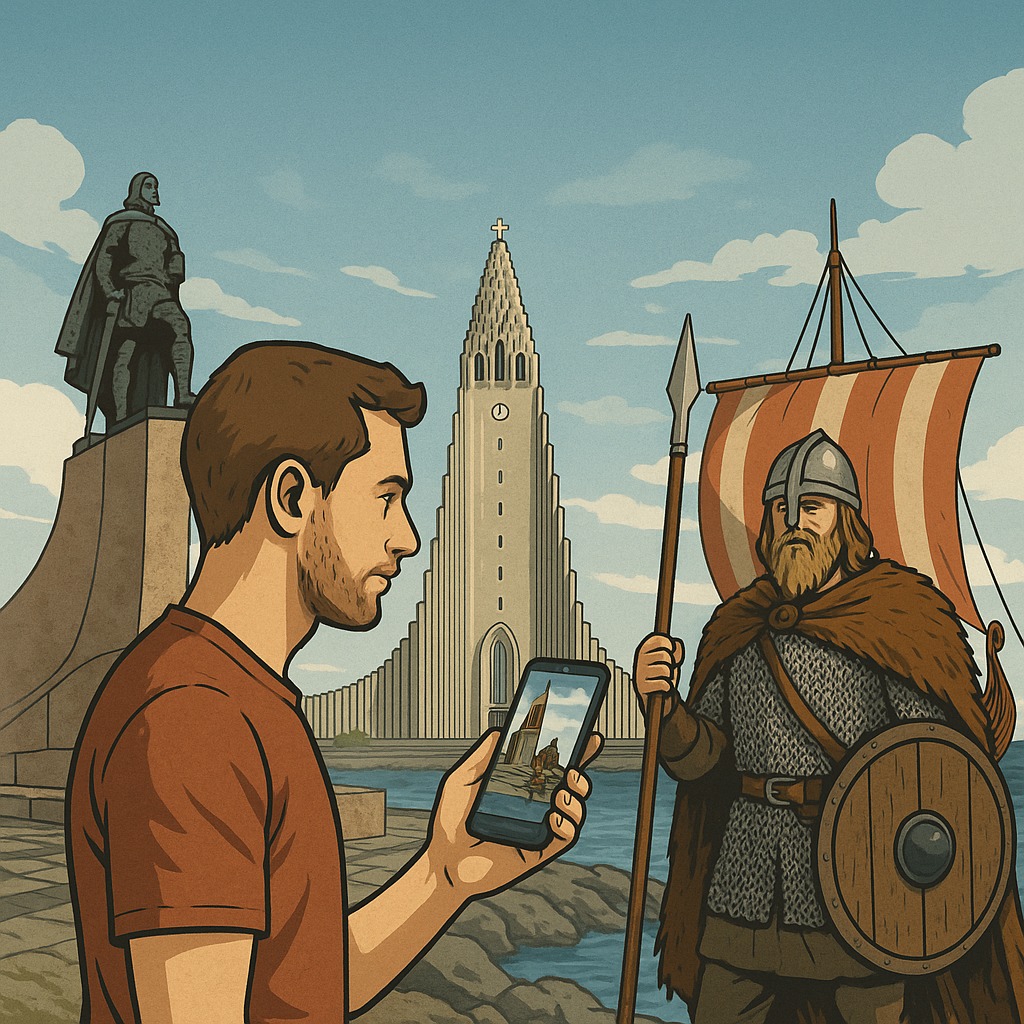
To examine those details through a location-based route, follow Reykjavík: In the Footsteps of the Vikings, which visits the port as stop 6 of 8. Its mission to find visual clues and stories connected with the symbolic “catch of the day” gives you a reason to look closely without resolving the quest before you arrive.
The tour that visits Reykjavìk port
Each one is a self-guided route you can start whenever you like.
Reykjavík · 1h 45m
Reykjavík: In the Footsteps of the Vikings
Follow in the footsteps of the Vikings on this immersive self-guided tour through Reykjavík! Explore legendary sites from Ingólfur Arnarson's landing to the dazzling Harpa Concert Hall. Discover Viking longhouses, epic sagas, and breathtaking modern landmarks, blending history, mythology, and Icelandic culture. Perfect for history buffs, families, and curious adventurers.
- places
- Reykjavík
- Iceland
- ports
- harbours
- maritime history