
Sighișoara, Romania2 min read
Sighișoara Citadel: The Medieval Heart of Transylvania’s Historic Centre
Sighișoara Citadel on Google Maps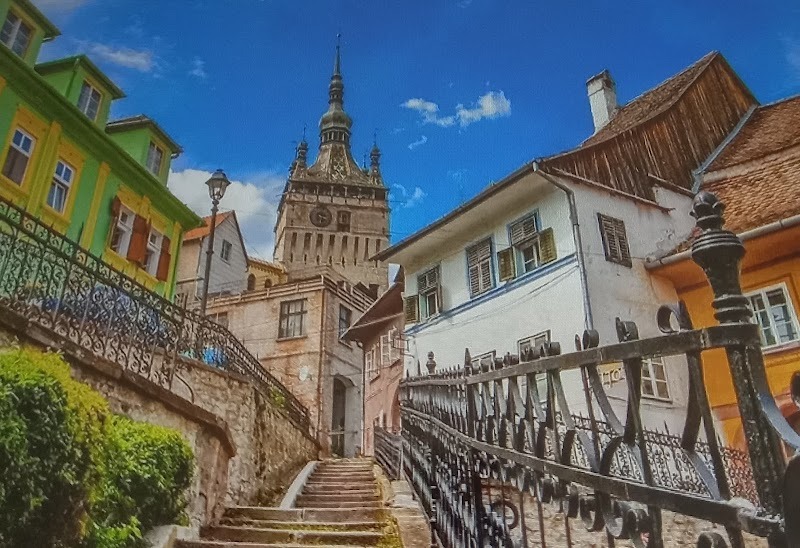
Sighișoara Citadel is the medieval historic core of Sighișoara, a city on the Târnava Mare River in Mureș County, in central Romania’s historic region of Transylvania. Established in the 12th century by Transylvanian Saxons, the citadel forms part of Sighișoara’s exceptionally well-preserved old town, listed as a UNESCO World Heritage Site since 1999.
What is Sighișoara Citadel?
Sighișoara Citadel is the fortified medieval centre of Sighișoara, organised around Piața Cetății, the heart of the town’s medieval citadel. Its significance comes from the way the square, surrounding towers and working town were connected: this was not simply a historic quarter, but a place where commerce, craft and civic defence occupied the same compact urban space.
The citadel’s Saxon foundations remain central to understanding its layout. The 12th-century settlement developed as a town with a distinct defensive character, while its old town preserves the setting that made Sighișoara a notable historic centre in Transylvania.
Why was Piața Cetății important to Sighișoara Citadel?
Piața Cetății mattered because it served both as the citadel’s busy commercial centre and as a strategic space for defending the city. Bakers, blacksmiths and butchers worked around the square, bringing everyday trade and skilled craft into the same area.
By the 15th and 16th centuries, Piața Cetății had become the nerve centre of Sighișoara’s defence. When rumours of Ottoman incursions or peasant uprisings spread, citizen-soldiers and townspeople gathered in the square for moments of danger and city-wide defence preparations. Its open layout made it suitable as a rallying ground, while the surrounding guild towers gave defenders elevated positions from which to spot trouble before it reached the gates.
That dual role is one of the defining features of Sighișoara Citadel. Piața Cetății was a marketplace in ordinary times and a gathering point for collective action when the town was threatened. The square’s importance therefore lies not only in its central position, but in how directly it connected the daily life of the citadel with its survival.
What should you notice inside Sighișoara Citadel?
Start with the relationship between the open square and the towers around it. Piața Cetății is laid out as a community space ringed by watchful defensive structures, creating a visible transition from trade and public life to the citadel’s last line of defence.
Look for the connection between individual guilds and their towers. The tailors, tanners and candle-makers were each associated with their own tower, reflecting the organised responsibilities that shaped the citadel’s defences. These structures were functional military positions, not merely decorative landmarks added to a picturesque old town.
The distinctive character of Sighișoara Citadel comes from this combination of activities: the sounds and movement of trade, the work of specialised craftspeople and the readiness of citizen-soldiers all belonged to the same fortified setting. The Defenders of the Saxon Citadel route records Piața Cetății as its first stop and offers an interactive way to examine the square’s guild-based defensive history while exploring the historic centre.
The tour that visits Sighișoara Citadel
Each one is a self-guided route you can start whenever you like.
Sighișoara · 1h 30m
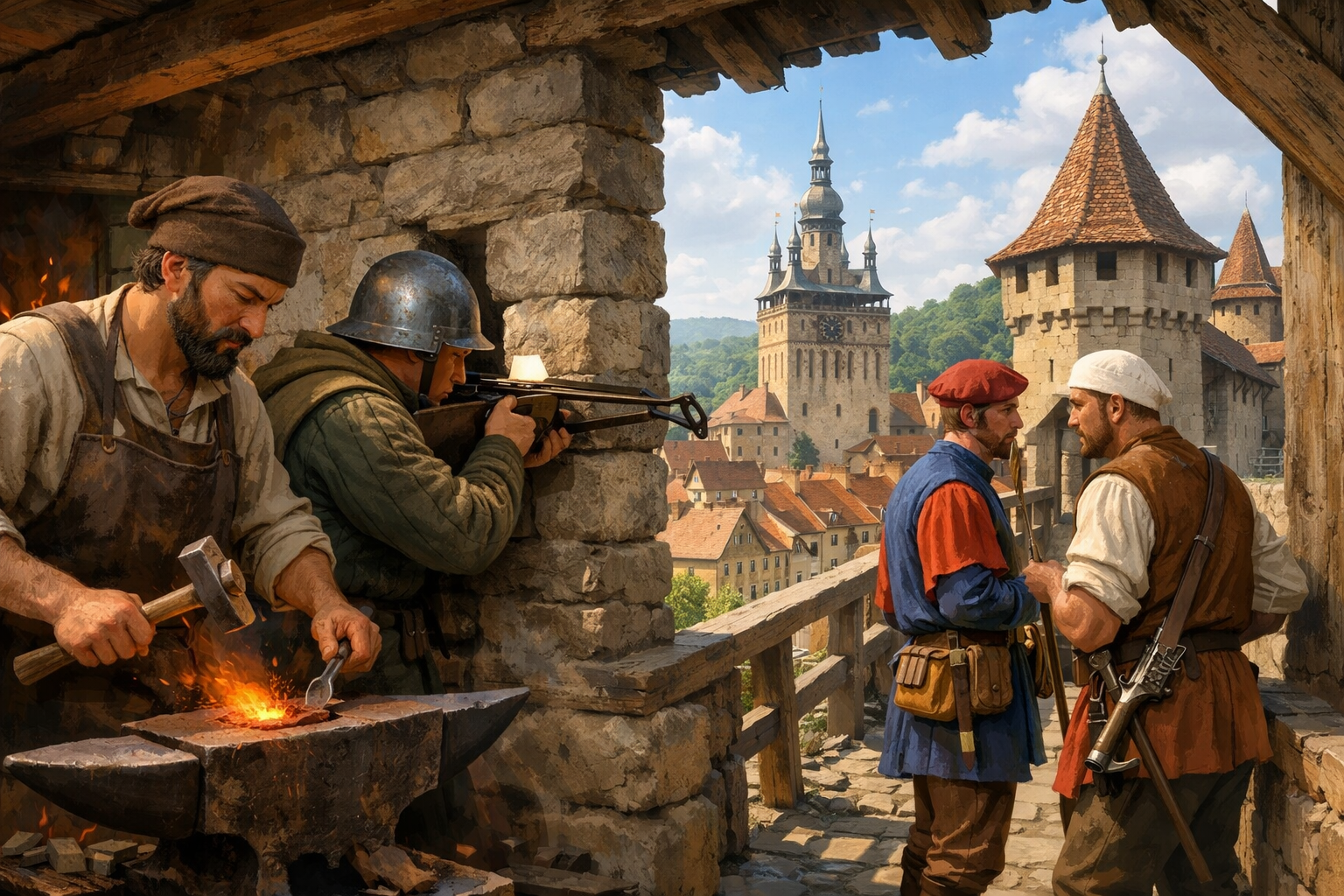
Defenders of the Saxon Citadel: Sighișoara 1450–1600
Uncover the secrets of Sighișoara's medieval fortifications on this immersive self-guided tour! Walk in the footsteps of Saxon guild militias—tailors, butchers, and blacksmiths—who defended the citadel's towers, gates, and walls from 1450 to 1600. Explore patrol routes, discover how early firearms and crossbows were wielded, and experience the unity that protected this vital Transylvanian trade center. Perfect for history buffs and curious adventurers alike!
- places
- Sighișoara
- Sighișoara Citadel
- Transylvania
- Romania
- medieval history
- guild towers