
Sinaia, Romania3 min read
Sinaia Monastery: Why the Town Bears Its Name
Sinaia Monastery on Google Maps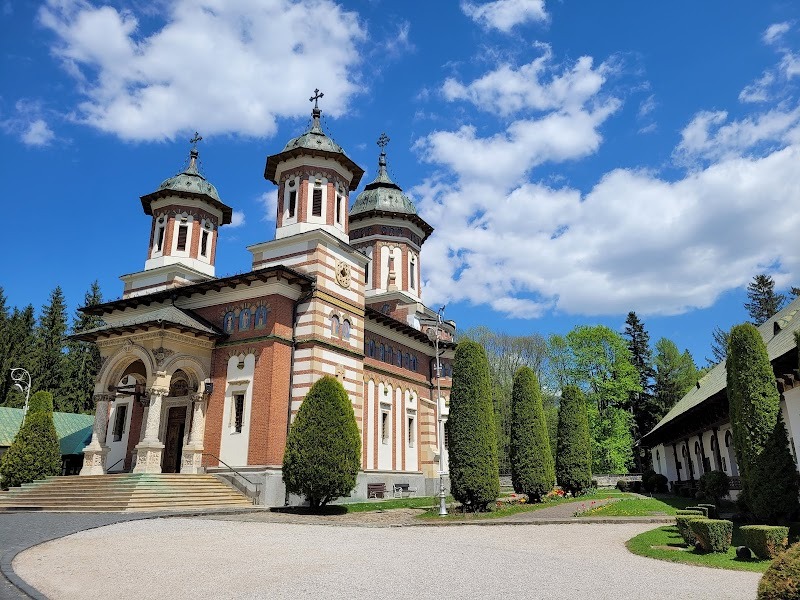
Sinaia Monastery, also called Mănăstirea Sinaia, is one of the oldest religious foundations in the Prahova Valley. Established in 1695 by Prince Mihail Cantacuzino after his pilgrimage to Mount Sinai in Egypt, it gave the surrounding town its name. The Old Church and the larger New Church occupy the same enclosure, allowing you to trace the monastery's growth while you explore it.
What is Sinaia Monastery?
Sinaia Monastery is a historic religious settlement in Sinaia, a town and mountain resort in Prahova County, in the historical region of Muntenia. Its name comes from Biblical Mount Sinai, the place associated with Prince Mihail Cantacuzino's pilgrimage. The town of Sinaia later grew around the monastery, so the name on today's resort town preserves the origin of this earlier settlement.
The monastery's 1695 foundation makes it part of the early history of the Prahova Valley. Its location also helps explain why the site matters beyond its religious role: it stood in an area that was then sparsely populated, before Sinaia developed as a resort town.
What is the history of Sinaia Monastery?
The original complex is now known as the Old Church, and it was built in Brâncovenesc style. The monastery served both as a religious settlement and as a fortified refuge in a region vulnerable to incursions. Its enclosure therefore combined monastic life with a practical defensive role.
In 1846, a larger New Church was constructed within the same enclosure. The addition accommodated a growing monastic community, and the two churches now show the site's development from its original complex to a larger 19th-century institution.
Sinaia Monastery also had a cultural role. It housed one of the region's earliest religious libraries and contributed to Romanian-language religious printing and education. These details make the monastery more than a single historic building: the site was also connected to the preservation, production and teaching of religious texts.
What should you notice when you visit Sinaia Monastery?
Reach Sinaia Monastery by the forested route commonly referred to today as the Monastery Path. Once there, notice that the Old Church and New Church stand within the same enclosure. Their shared setting is the clearest physical way to read the monastery's expansion over time.
The approach and enclosure include stately gates and cobblestones, while the monastery sits in the shadow of the Carpathians. The surrounding historical landscape was once lightly inhabited, with monastic land, forest and scattered shepherd dwellings. Those details place the monastery in a landscape that was quieter and less developed than the resort town around it today.
The monastery is also connected to Prince Carol I's arrival in the area: the tour material places his first night in Sinaia at the monastery, before the town had become a developed resort. For a route that connects this place with Sinaia's royal history, explore The Royal Summer Dream, an interactive walk through the area's historical setting.
Save this page before your visit, or share it with the person exploring Sinaia with you. When you are ready to connect the monastery's buildings and setting with the wider story of the town, follow the Sinaia route.
The tour that visits Sinaia Monastery
Each one is a self-guided route you can start whenever you like.
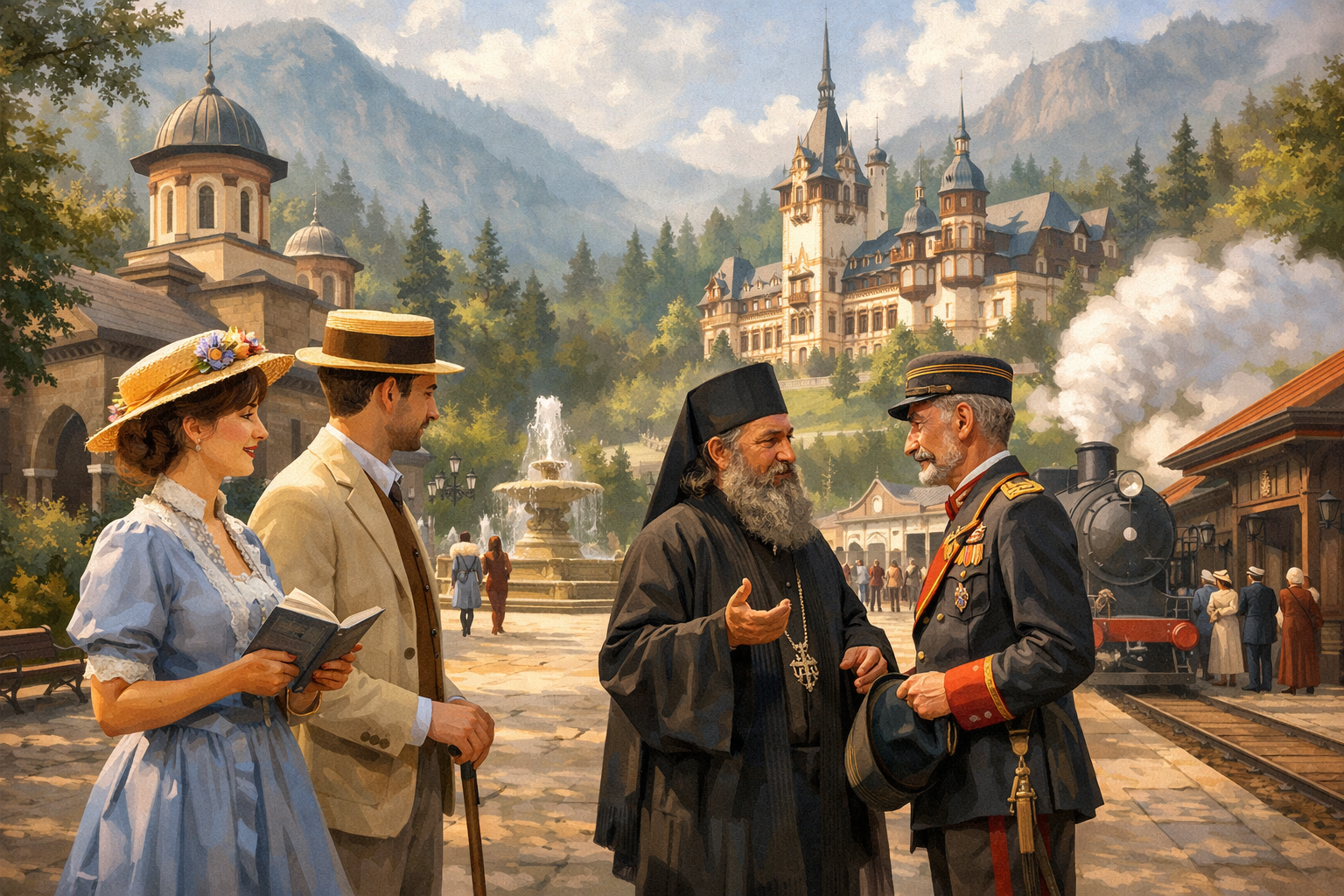
Sinaia · 1h 35m
The Royal Summer Dream
Embark on a self-guided adventure through Sinaia, Romania's royal mountain jewel. Walk in the footsteps of King Carol I and European aristocrats, exploring monasteries, palaces, grand hotels, and the legendary casino. Discover how a remote village became the 'Versailles of Romania'—where history, luxury, and intrigue meet.
- places
- Sinaia
- Sinaia Monastery
- Romania
- Muntenia
- historical places