
Kraków, Poland2 min read
Tempel Synagogue, Kraków: Reform Identity and Moorish Revival Detail
Tempel Synagogue, Kraków on Google Maps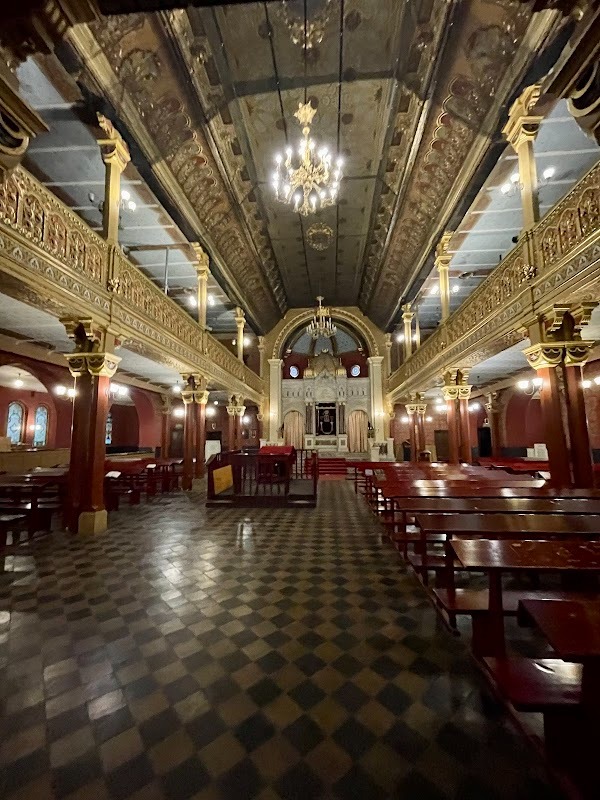
Tempel Synagogue, Kraków expresses a Reform Jewish identity through Moorish Revival architecture: horseshoe arches and intricate brickwork shape the façade, while stained glass, arabesques and a gilded ceiling define the interior. Also known as the Progressive Synagogue, it stands at 24 Miodowa Street in Kraków's historic Kazimierz district and was completed in 1862.
What is Tempel Synagogue in Kraków?
Tempel Synagogue is a Reform Jewish congregation and synagogue, completed in 1862 and still a major place of worship. Its religious identity is central to understanding the building: it was created for Kraków's Reform Jewish community, whose movement sought to modernize Jewish worship and embrace progressive values.
The synagogue also serves as a center of Jewish culture, hosting concerts and meetings, especially during the Kraków Jewish Culture Festival. That combination of worship and cultural activity is part of what gives the building its continuing role on Miodowa Street.
How did Tempel Synagogue become part of Kraków's Jewish history?
The synagogue was built between 1860 and 1862 as the spiritual and cultural center of Kraków's Reform Jewish community. Its history is therefore tied not only to a building, but to a movement that wanted Jewish worship to develop alongside progressive values.
The Reform character also shaped the sanctuary's musical tradition. The grand organ and choir once filled the space with music, accompanying progressive sermons that called for unity, education and social change. The building's cultural programme continues that connection with public Jewish life through concerts and meetings. The Krakow Jewish Metamorphosis Tour places the synagogue within a wider exploration of Kraków's Jewish history.
What should you look for in Tempel Synagogue's architecture?
Start with the façade, designed by Ignacy Hercok. Its Neo-Moorish, also called Moorish Revival, style is recorded alongside Rundbogenstil influences. The horseshoe arches and intricate brickwork are the clearest exterior details to look for at 24 Miodowa Street.
Inside, the architectural details become more layered. Stained glass windows, ornate arabesques and a gilded ceiling are documented features of the sanctuary; the ceiling catches and changes with the light. The grand organ and choir belong to the building's recorded historical musical tradition, when they filled the sanctuary with music. You can explore these details as stop 2 of 9 on the Krakow Jewish Metamorphosis Tour, which connects the synagogue to the wider story of Kraków's Jewish community without reducing it to a façade alone.
Why is Tempel Synagogue still a cultural landmark?
Tempel Synagogue remains significant because its documented roles meet in one specific building: it is a place of Reform Jewish worship and a center for Jewish culture. Concerts and meetings, including events associated with the Kraków Jewish Culture Festival, keep those roles visible at 24 Miodowa Street in Kazimierz.
Save this page as an architecture checklist before visiting, or send it to the companion planning a Kraków Jewish-history walk. For a structured next step, take the nine-stop Krakow Jewish Metamorphosis Tour to see Tempel Synagogue in the context of the city's Reform Jewish history.
The tour that visits Tempel Synagogue, Kraków
Each one is a self-guided route you can start whenever you like.
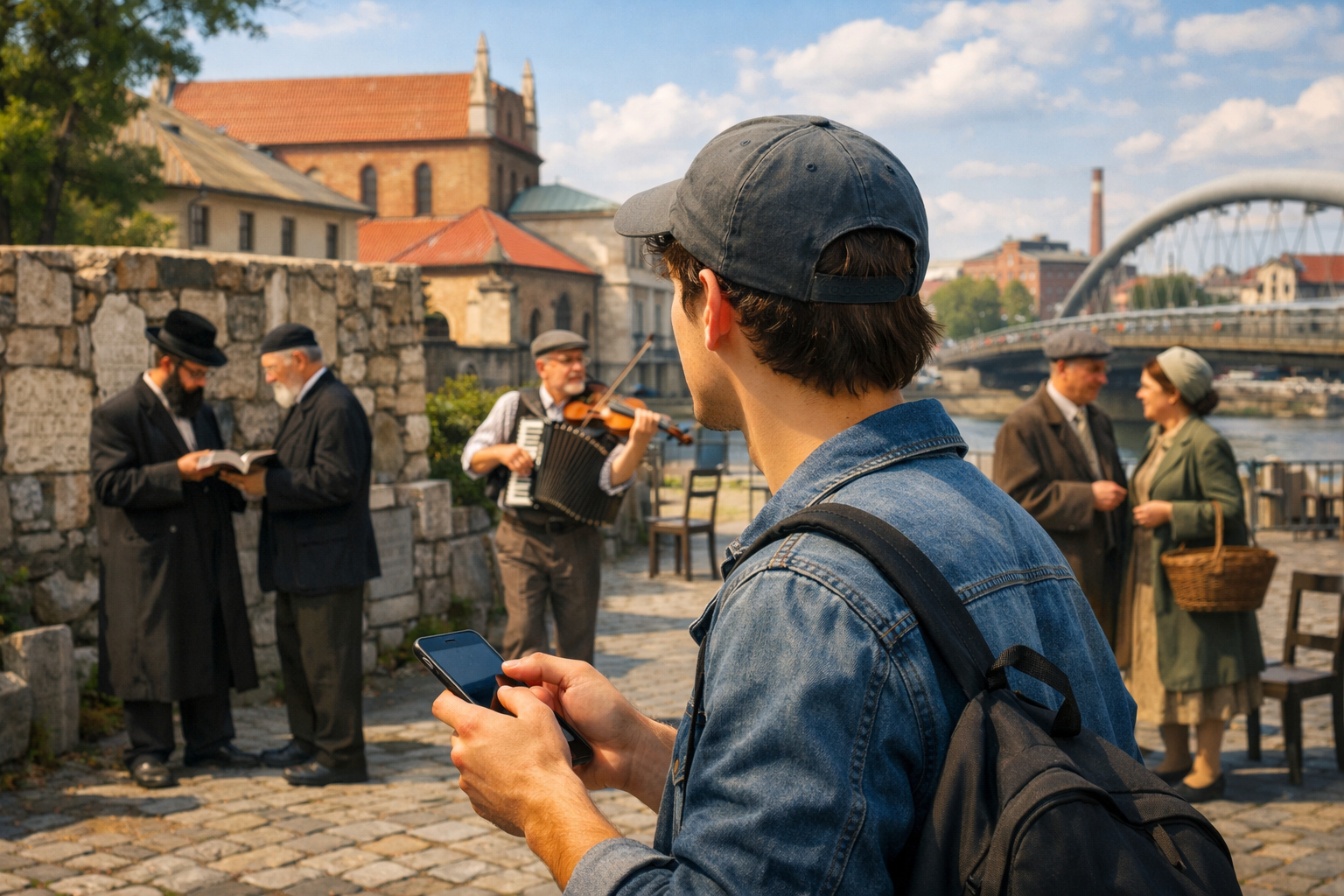
Kraków · 1h 50m
Krakow Jewish Metamorphosis Tour
Trace the arc of Krakow's Jewish life from the golden age of Kazimierz to the devastation of the Podgórze Ghetto. Visit historic synagogues, haunting cemeteries, poignant memorials, and the sites of wartime resistance. This self-guided tour offers a deeply researched, historically accurate journey through centuries of resilience and transformation.
- places
- Kraków
- Kazimierz
- Jewish history
- synagogues
- architecture