
Jerusalem, Israel2 min read
Temple Mount Jerusalem: Al-Aqsa, Two Temples and Lasting Memory
Temple Mount on Google Maps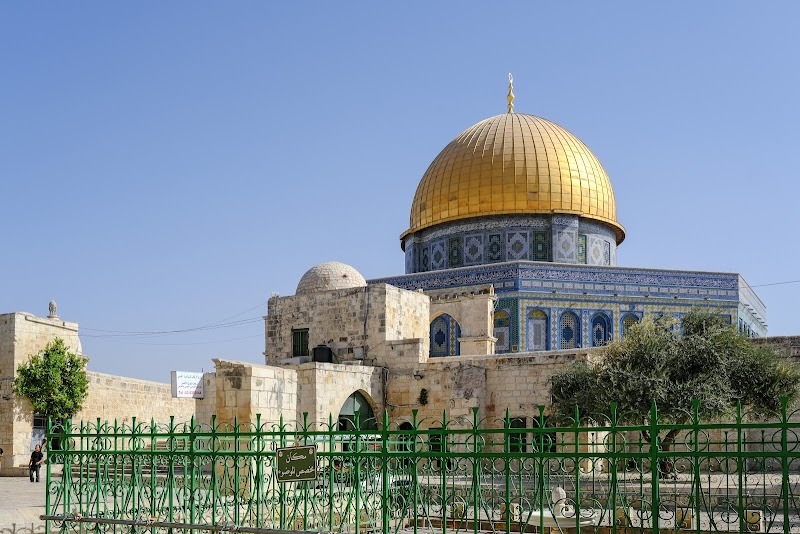
Temple Mount Jerusalem is a hill in the Old City where the Islamic compound known as al-Aqsa stands alongside the memory of two successive Jewish Temples. It is a holy site venerated for thousands of years in Judaism, Christianity and Islam, and its present significance is inseparable from the destruction of the Second Temple.
That contrast gives the Temple Mount its distinctive historical weight: al-Aqsa includes the al-Aqsa Mosque and the Dome of the Rock, while the hill also carries the religious memory of the Temples that once occupied it.
What is the history of the Temple Mount?
The Second Temple was the heart of Jewish worship and national identity before its destruction. In 70 CE, Roman legions under Titus reduced it to rubble during the siege of Jerusalem.
Josephus records that Jerusalem was left in ruins after violence, starvation and enslavement. Tens of thousands perished, and more than 100,000 Jews were reportedly taken as slaves to Rome. The Arch of Titus preserves a Roman triumphal image of the sacred menorah and Temple treasures being carried away.
The destruction became a major turning point in the history attached to the Temple Mount. Jewish communities became dispersed throughout the Roman world, including to the Galilee, Alexandria, Rome and Babylon. The longing for the lost Temple nevertheless endured through prayers and customs passed down across generations.
What can you understand by standing on the Temple Mount?
The Temple Mount contains layers associated with devastation, displacement, religious memory and continuing hope. The destruction of Jerusalem involved fires, toppled stones and the uprooting of the city's foundations, leaving the hill connected to both physical ruin and persistent remembrance.
Fragments of the Temple's retaining walls remained, including what is known today as the Western Wall. That surviving feature is one part of the site's layered history, not the whole of the Temple Mount, whose significance also includes the al-Aqsa compound and the memory of the two Temples.
The site therefore brings together a living Islamic compound with the enduring historical and religious significance of the Temples. Its meaning is not contained in a single surviving structure: it is shaped by what stood here, what was destroyed, what remained and what communities continued to remember.
How can you explore the Temple Mount's history in Jerusalem?
You can encounter the Temple Mount within the documented context of the siege through the Siege of Jerusalem 70AD route, which visits the Temple Mount as stop 5 of 7. The route places the site within the wider history of Jerusalem's destruction without treating the Temple Mount as an isolated monument.
If you are planning an independent walk, save this Jerusalem history route so you can return to the context of the Temple Mount when you explore the city on foot. The route continues beyond this stop, so the Temple Mount is one part of its seven-stop sequence.
The tour that visits Temple Mount
Each one is a self-guided route you can start whenever you like.
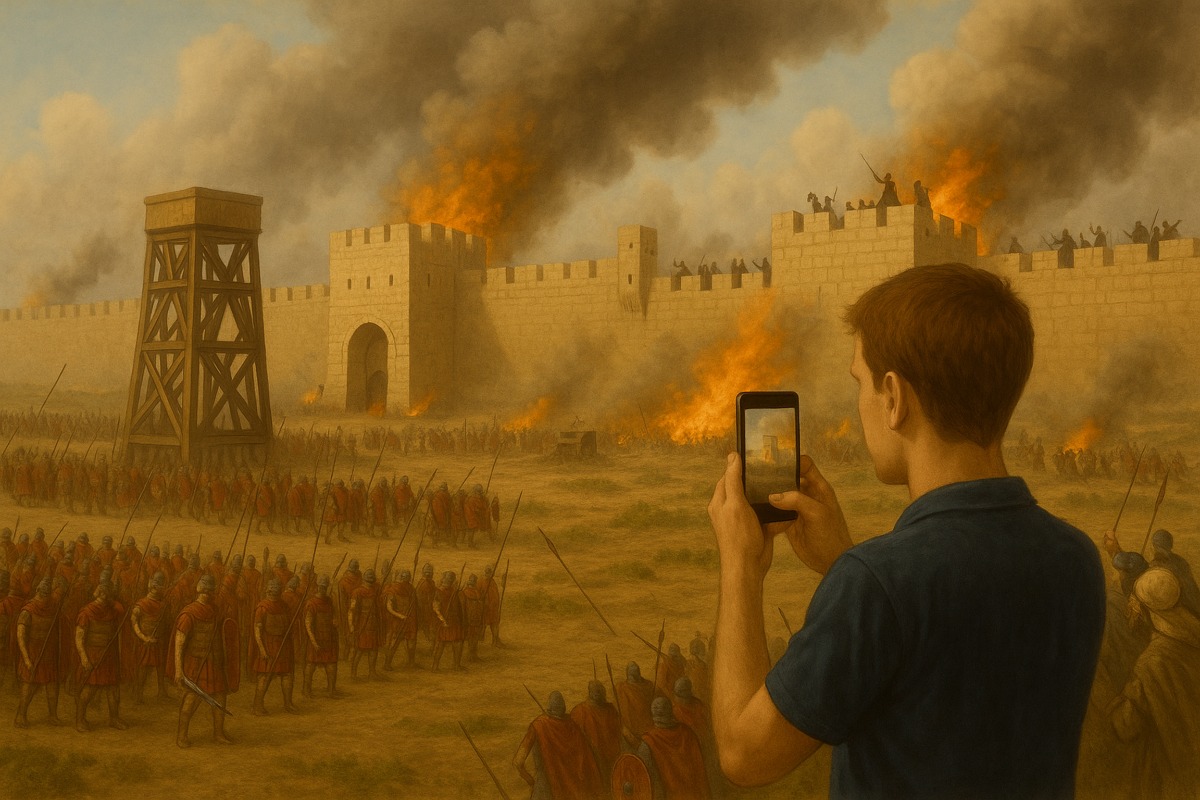
Jerusalem · 1h 30m
Siege of Jerusalem 70AD
Relive the dramatic Siege of Jerusalem in 70 AD through the eyes of a Roman Praetorian. This immersive self-guided tour traces the Roman assault from Jaffa Gate to the Temple Mount's destruction, exploring ramparts, breached walls, and the final aftermath atop the Mount of Olives. Discover pivotal moments, historical sites, and the strategies that shaped one of history's most consequential sieges.
- places
- Jerusalem
- Temple Mount
- Al-Aqsa
- Jewish history
- Jerusalem walking