
Sinaia, Romania2 min read
Sinaia Casino: History, Architecture and Cultural Legacy
The Casino of Sinaia on Google Maps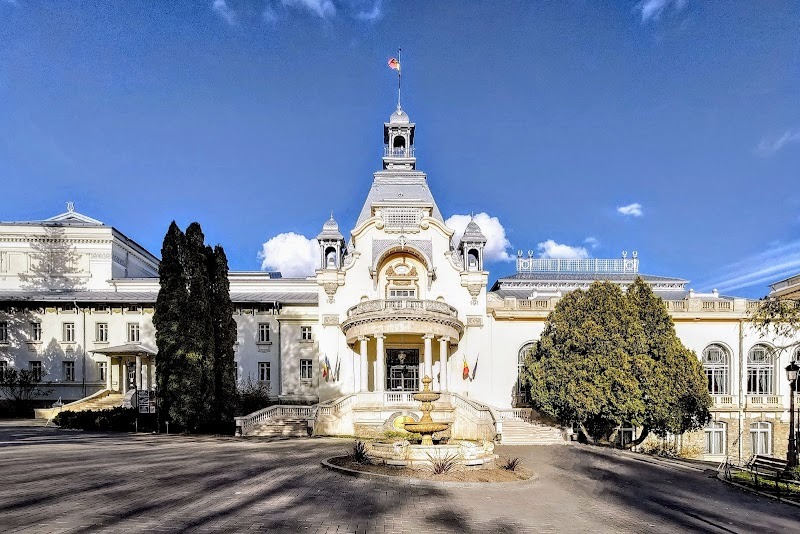
The Casino of Sinaia is a landmark inaugurated in 1912 during the reign of King Carol I of Romania. Built as part of Sinaia's rise as a royal-era mountain resort, it was designed to bring the prestige and commercial success of European casinos such as Monte Carlo to the town.
Its history is closely connected to Sinaia's royal setting, including the nearby Peleș Castle and the presence of the Romanian royal family. The casino was not an isolated entertainment venue: it formed part of the resort development that made Sinaia an important mountain destination.
What is the Casino of Sinaia?
The Casino of Sinaia began as a gambling establishment and a centre of elite social life. Baron Edgar de Marçay initiated its construction with the ambition of replicating the success of established European resort casinos. Its inauguration in 1912 placed a purpose-built casino at the centre of Sinaia's expanding resort identity.
From its opening until 1947, the building served its original gambling function. During the interwar period, it attracted Romanian aristocracy, foreign diplomats, industrialists and tourists already visiting Sinaia because of Peleș Castle and the royal presence.
What makes the Casino of Sinaia distinctive?
The Casino of Sinaia is distinctive because its design combines Beaux-Arts symmetry with Neo-Romanian decorative elements. Architect Petre Antonescu, a leading figure in the Neo-Romanian architectural movement, designed the building.
Construction was completed within approximately seven months, a notably rapid schedule that reflected strong financial backing and Sinaia's growing importance as Romania's premier mountain resort. The building's interior reinforces its ceremonial purpose: it includes a monumental marble staircase, richly ornamented halls and painted ceilings.
The casino also contains a large theatre and ballroom space designed for concerts and formal events. These spaces mean the building's identity extends beyond gambling; its architecture was created for public spectacle, music and high-profile social occasions.
How did the Casino of Sinaia change after 1947?
The Casino of Sinaia changed from a gambling establishment into a cultural centre after 1947. Following the abolition of the monarchy and the establishment of the communist regime, gambling was prohibited, the building was nationalized and its original function ended.
The repurposed building hosted conferences, concerts, exhibitions and official events. Its concert hall became significant in Romanian cultural life. George Enescu is documented to have performed in Sinaia, and the casino later hosted events connected to classical music festivals, including those associated with the George Enescu Festival.
To encounter the Casino of Sinaia as one stop within the town's royal and resort history, follow The Royal Summer Dream.
The tour that visits The Casino of Sinaia
Each one is a self-guided route you can start whenever you like.
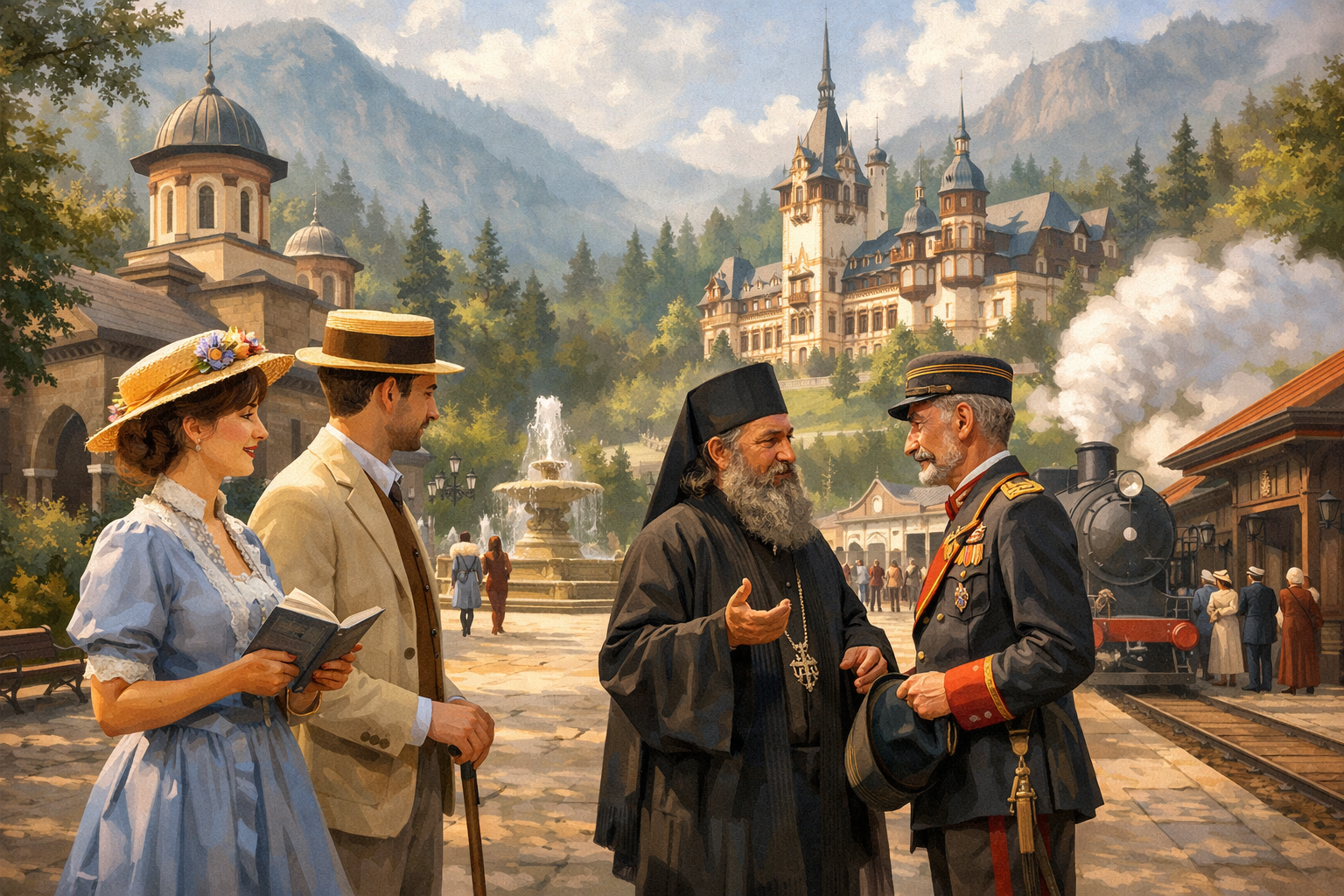
Sinaia · 1h 35m
The Royal Summer Dream
Embark on a self-guided adventure through Sinaia, Romania's royal mountain jewel. Walk in the footsteps of King Carol I and European aristocrats, exploring monasteries, palaces, grand hotels, and the legendary casino. Discover how a remote village became the 'Versailles of Romania'—where history, luxury, and intrigue meet.
- places
- Sinaia
- Romania
- Casino of Sinaia
- architecture
- cultural history