
Amsterdam, Netherlands3 min read
The Dancing Houses Amsterdam: Why Some Lean by Accident—and Others on Purpose
The Dancing Houses on Google Maps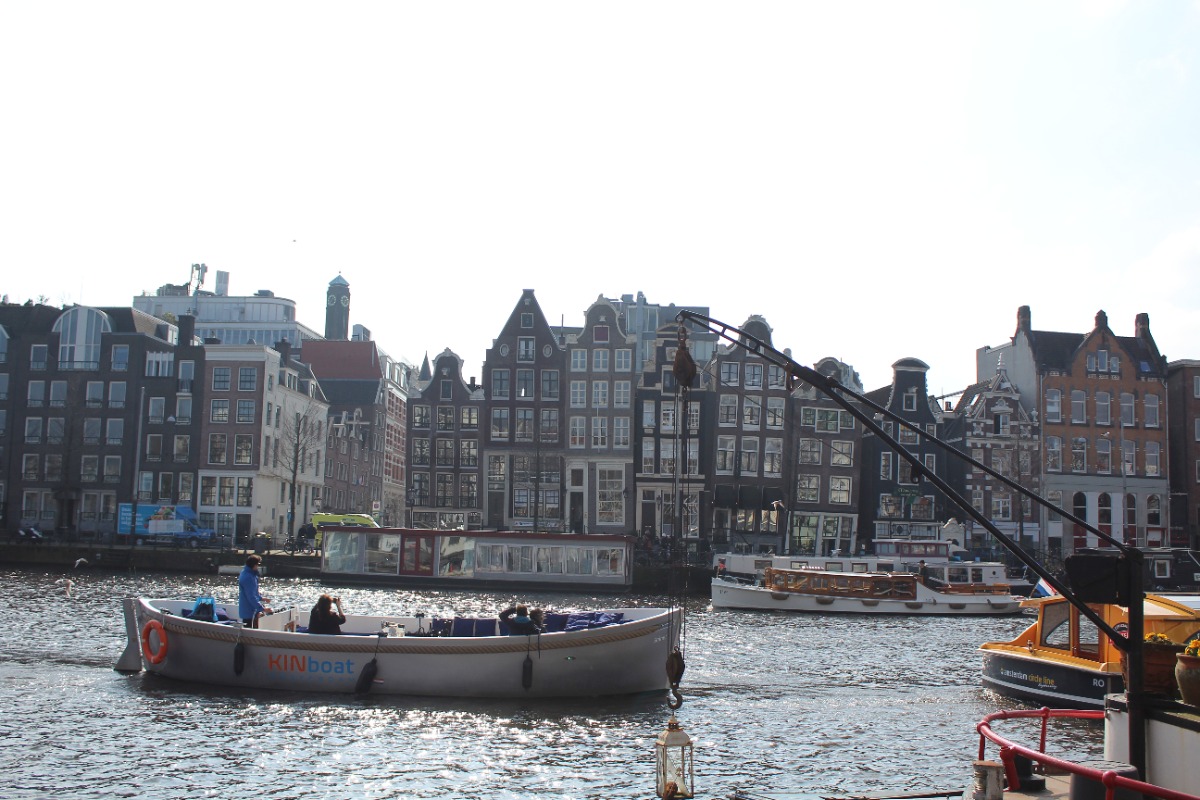
The Dancing Houses Amsterdam refers to the striking canal houses seen across the Amstel River, many of which appear to be falling over. Some lean sideways, while others lean forwards by design. They are part of Amsterdam, the capital and largest city of the Netherlands, whose many canals form a UNESCO World Heritage Site.
What are The Dancing Houses in Amsterdam?
The Dancing Houses are a group of Amsterdam houses whose unusual angles become clear when you look across the Amstel River. Their façades do not all tilt in the same direction: some houses lean to the right or left, while others angle forwards.
The view is explained by two different causes. Sideways leaning is connected to the movement and deterioration of the foundations beneath the houses. Forward leaning, by contrast, was deliberately incorporated into the buildings for a practical reason.
Why do Amsterdam’s canal houses lean?
Amsterdam was built on swampy ground, which made stable construction difficult. Early houses were made from wood, but the city burned down often, so builders began using brick instead. Brick houses could sink into the swampy ground.
Builders then found a sand layer 30 feet below the surface and drove wooden pylons into the ground to form foundations for the houses. Those pylons needed to remain either dry or wet. When a wooden pylon changed from dry to wet, or wet to dry, it could rot and crack. That foundation damage made houses lean sideways, to the right or left.
So a sideways tilt is not the same thing as a forward one. The side-to-side angle reflects a problem with the wooden foundation, while some forward-facing angles were part of the original design.
Why do some of the houses lean forwards?
Forward leaning was part of the houses’ hoisting system, not a construction mistake. The angle made it easier to lift goods upwards without the goods slamming against the façade.
Goods were stored in the attic rather than the cellar because of flooding. The forward angle therefore helped connect the outside hoisting system with the upper storage space, giving the houses a practical reason to look as if they are tipping towards the river.
What should you look for at The Dancing Houses?
Start by comparing the direction of the lean. A house affected by its foundations may tilt sideways, while a deliberately forward-leaning house angles out in relation to its façade. Across the Amstel River, notice that the houses do not all tilt in one direction.
The contrast is easiest to understand when you hold both explanations in mind: swampy ground and changing conditions around the wooden pylons shaped the sideways movement, while lifting goods shaped the forward angle. The Amsterdam Walking Tour places the houses in that wider architectural and historical context.
The same houses also appear in the Coffeeshop Walking Tour by Hunter’s, whose route connects the view with the fact that Amsterdam’s brick buildings were developed after frequent city fires. To encounter the houses with these details in hand, take one of the linked self-guided routes and compare the different angles for yourself.
2 tours visit The Dancing Houses
Each one is a self-guided route you can start whenever you like.
Amsterdam · 3h 55m
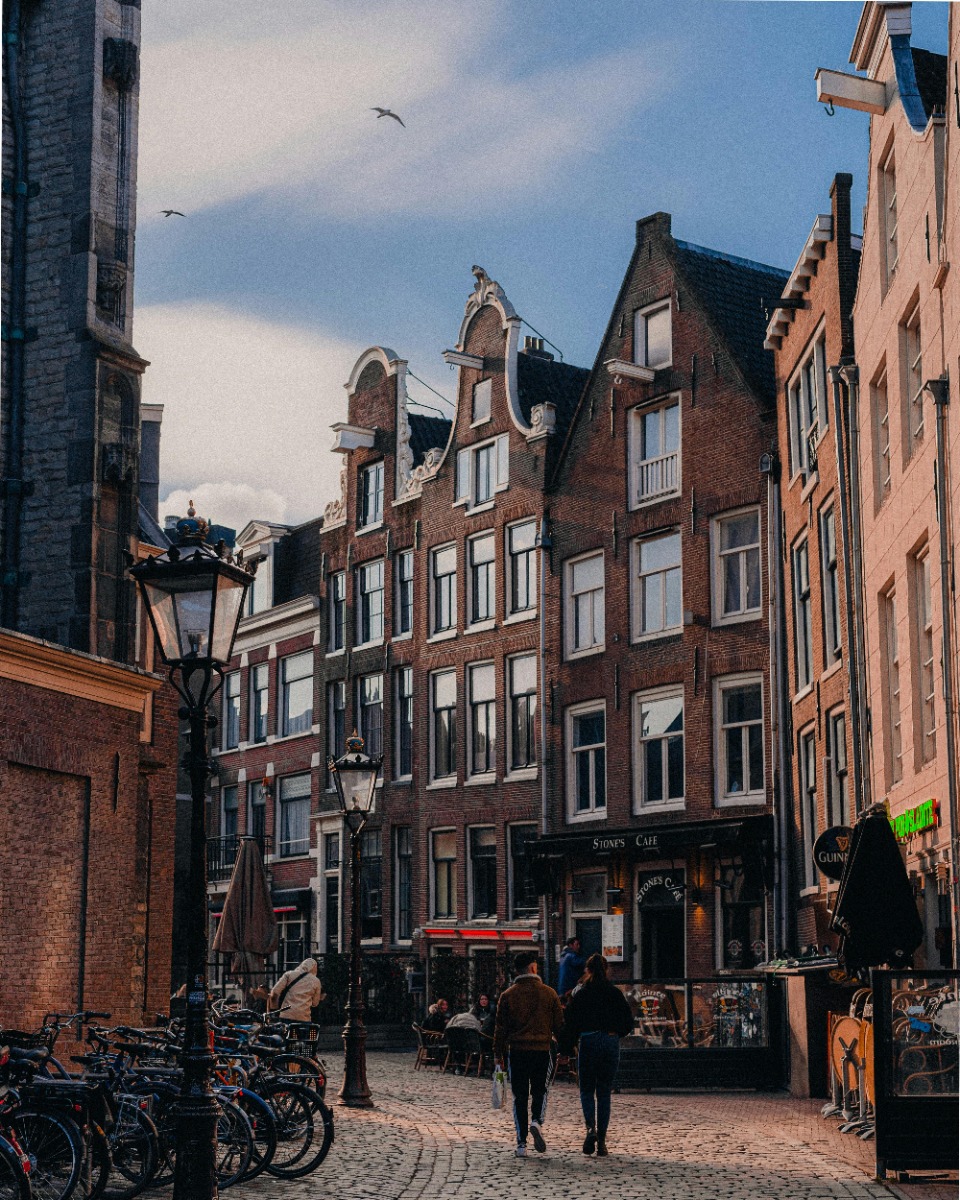
Amsterdam Walking Tour
First of all where are we? This is where the original dam was in the river Amstel back in the year 1200, right there at the tram track. Later they replaced it more back in the direction of the Dam sq…
Amsterdam · 1h 55m
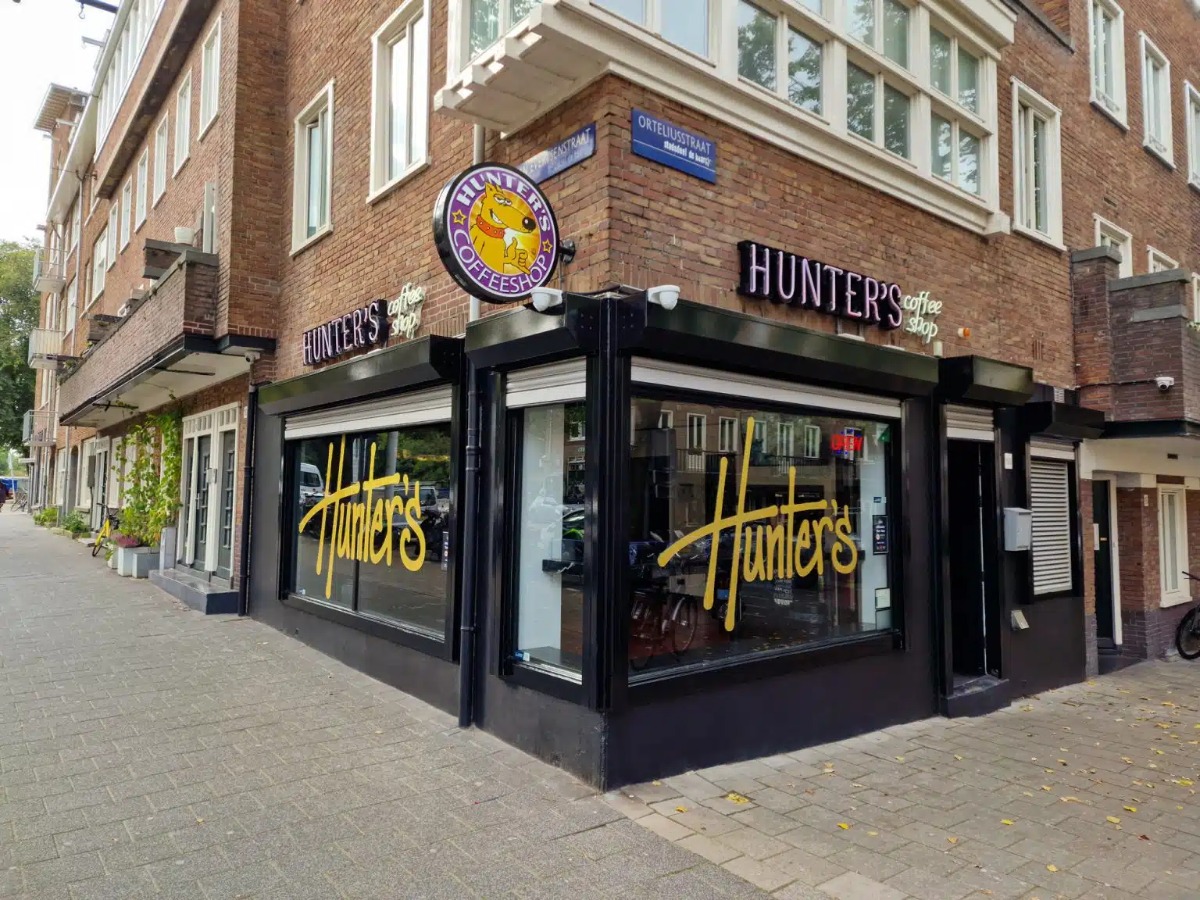
Coffeeshop Walking Tour by Hunter's
Embark on a unique cannabis tour through Amsterdam with Hunter's Coffeeshops! Follow the trail starting from the historic Warmoestraat where it all began back in 1985. Experience diverse locations in prime areas like Centrum and Noord, each reflecting a different aspect of the city's culture. Enjoy a true Amsterdam experience while learning about the city's rich history and savoring the local vibes. Note: Participants must be 18+ and refrain from taking photos inside the coffee shops to respect the privacy of the clientele.
- places
- Amsterdam
- The Dancing Houses
- canal houses
- architecture
- city history