
Istanbul, Turkey3 min read
The Walls of Istanbul: Theodosian Walls
The Walls of Istanbul on Google Maps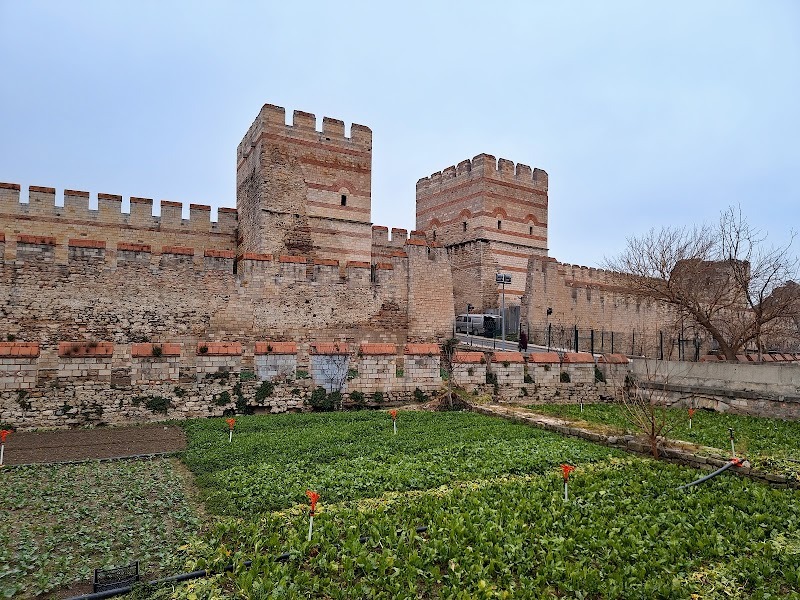
The Walls of Istanbul are the Theodosian Walls, built in the early 5th century after Emperor Theodosius II ordered their construction to protect Constantinople, the heart of the Eastern Roman, or Byzantine, Empire. Built atop and expanding earlier Roman fortifications, they became the great land defense of the city. Istanbul now stretches across Europe and Asia along the Bosphorus and remains Turkey's historical, cultural and economic center, placing these walls within the wider story of the city. The Constantinople Siege 1453 route visits the walls as one of its locations.
What are the Walls of Istanbul?
The Walls of Istanbul are the fortified Theodosian Walls of Constantinople: a Roman defensive project that became one of the defining structures of the Byzantine capital. Their construction extended an earlier line of Roman fortifications, creating a major barrier around the city during the early 5th century.
The walls belong to a city whose historical setting is unusually broad. Istanbul is Turkey's largest city and its economic, cultural and historical center, divided between two continents by the Bosphorus. The Theodosian Walls preserve one of the clearest physical links between that modern setting and Constantinople's role as the center of the Eastern Roman Empire.
How were the Theodosian Walls designed?
The Theodosian Walls used a triple-layered defensive system: a deep moat, an outer wall and a massive inner wall. The inner wall was punctuated by imposing towers, making the defenses a coordinated military-engineering system rather than a single barrier.
This arrangement was advanced enough to repel assaults for over a millennium. The source specifically names the Huns, Avars and Crusaders among the groups whose attacks the defenses withstood. The moat, outer wall, inner wall and towers worked together to make approaching the city a difficult military task.
What can you see in the walls today?
The masonry still shows layers from different periods. Lower courses often contain reused Roman bricks, while later Byzantine repairs appear as patches where different stone and brickwork interrupt the earlier surface.
Look for jagged cracks and hastily patched areas associated in the source with earthquake damage from the 6th and 10th centuries. These repairs make the wall readable as a structure repeatedly maintained rather than a single, untouched construction.
The stones also carry traces connected with the Ottoman assault of 1453. Deep cannon pockmarks and shattered sections record the force that altered the city's fate. Depending on the section, you might also spot faded Latin inscriptions, Byzantine crosses or graffiti attributed to sentries. These details are possible clues in the masonry, not features guaranteed at every part of the walls.
Why do the Walls of Istanbul matter?
The Walls of Istanbul matter because they are described as witnesses to the rise and fall of empires. Their stones preserve overlapping Roman, Byzantine and Ottoman traces, allowing the structure itself to connect construction, repair, earthquake damage and siege.
The source describes the walls as having watched over Istanbul for 1,600 years. Visit them in person, then use the Constantinople Siege 1453 route to explore the site through its location-based story and challenge.
The tour that visits The Walls of Istanbul
Each one is a self-guided route you can start whenever you like.
Istanbul · 3h 45m
Constantinople Siege 1453
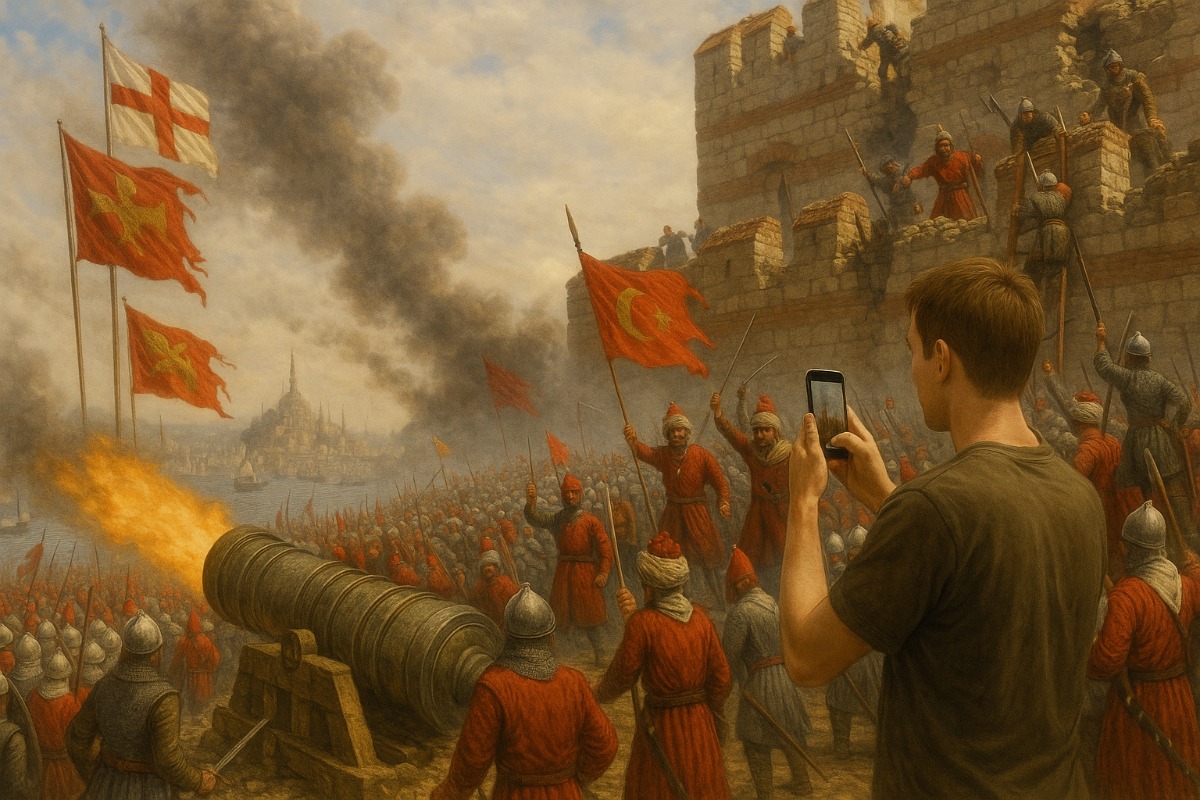
Step into the shoes of an Ottoman soldier and journey through the dramatic final hours of Constantinople in 1453. Explore legendary sites from the Theodosian Walls to Hagia Sophia, uncovering stories of heroism, intrigue, and transformation that shaped modern Istanbul.
- places
- Istanbul
- Walls of Istanbul
- Theodosian Walls
- Byzantine history
- Roman history