
Salem, MA, United States3 min read
The Witch House at Salem, Salem, MA
The Witch House at Salem on Google Maps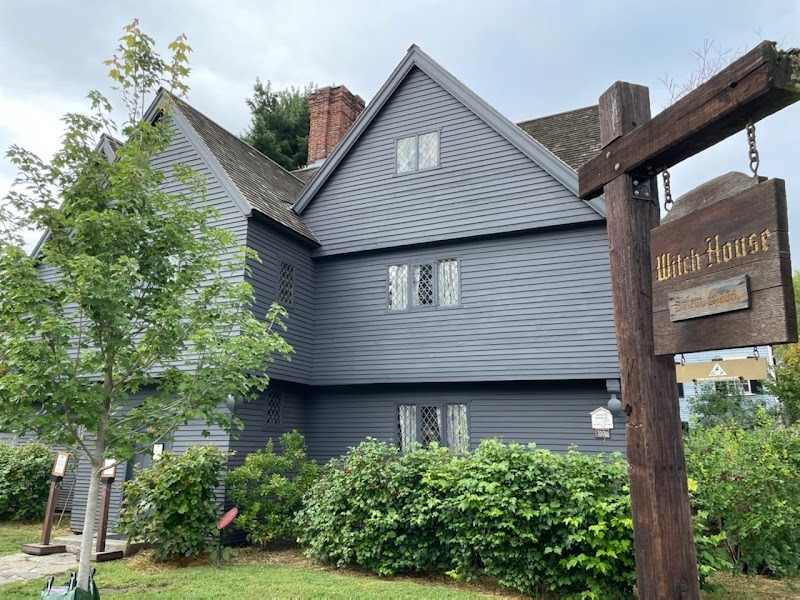
The Witch House at Salem is the only surviving Salem building with a direct personal connection to the 1692 witch trials. It was the home of Judge Jonathan Corwin, a magistrate involved in examining accused people and later a member of the Court of Oyer and Terminer. Its importance lies in that specific connection: this is a surviving domestic space associated with one of the officials who gave the accusations legal authority.
What is The Witch House at Salem?
The Witch House is the former home of Jonathan Corwin, whose role placed the house close to the official machinery of the trials. It is not simply a building used as a symbol of Salem’s past. The house preserves a direct personal link to a judge whose work connected private accusations to formal investigation and prosecution.
That makes The Witch House significant in a precise way. It ties the history of the 1692 crisis to the home of a magistrate rather than presenting an anonymous setting for a general story about colonial Salem.
Why is The Witch House connected to the Salem witch trials?
The Witch House is connected to the trials through Corwin’s legal role. He helped examine people accused of witchcraft and later served on the Court of Oyer and Terminer, the court involved in the prosecutions. The Witches of Salem: Historical Trials & Memory Walk places the house within this documented connection between the accused, the magistrates and the court.
The Salem witch trials were a series of hearings and prosecutions in colonial Massachusetts between February 1692 and May 1693. More than 200 people were accused, 30 were found guilty and 19 were executed by hanging. Giles Corey died under torture after refusing to enter a plea, while at least five other people died in disease-ridden jails without trial.
Those figures explain why Corwin’s connection to The Witch House matters. The building is associated with a person who helped move accusations into legal questioning, at a time when the process brought severe consequences for the people caught in it.
Did the examinations take place inside The Witch House?
Historians do not have solid evidence that examinations of accused people took place inside The Witch House. Its significance is not proof that a particular hearing happened in one of its rooms.
What the house can show is more limited, and more reliable: it is a rare surviving domestic space tied to one of the men who gave the accusations legal power. The Witch House connects the public history of the trials to Jonathan Corwin without claiming that an undocumented event occurred inside the building.
How can you encounter The Witch House in Salem?
You can encounter The Witch House as stop 7 of 8 on the Witches of Salem: Historical Trials & Memory Walk. The documented route uses the house to place Corwin’s role, the legal process and the limits of the surviving evidence together. That context keeps the landmark tied to what is known about the trials—and to what cannot be confirmed about the house itself.
The tour that visits The Witch House at Salem
Each one is a self-guided route you can start whenever you like.
Salem, MA · 1h 45m
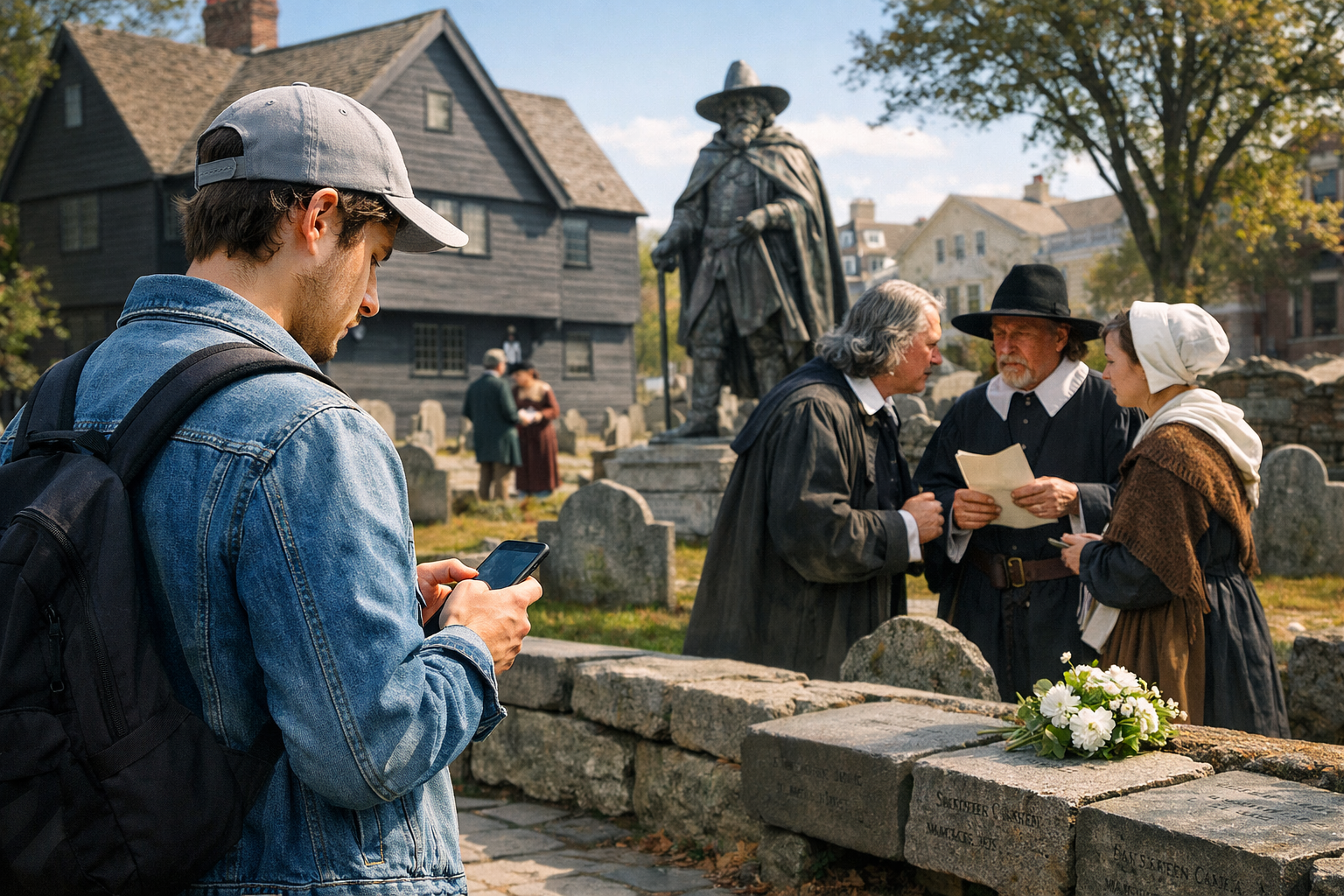
Witches of Salem: Historical Trials & Memory Walk
A walkable historical Salem tour that connects the 1692 witch trials into one clear story: Puritan beginnings, social tension, accusations, spectral evidence, legal failure, punishment, remembrance, and modern tourism. Includes the Witch House, Old Town House Site, Charter Street Cemetery, Witch Trials Memorial, Bewitched statue, and Proctor’s Ledge.
- places
- Salem, MA
- The Witch House at Salem
- Salem witch trials
- Salem MA
- Jonathan Corwin
- historical places