
Nara, Japan3 min read
Todai-ji Daibutsuden (Great Buddha Hall), Nara
Todai-ji Daibutsuden (Great Buddha Hall) on Google Maps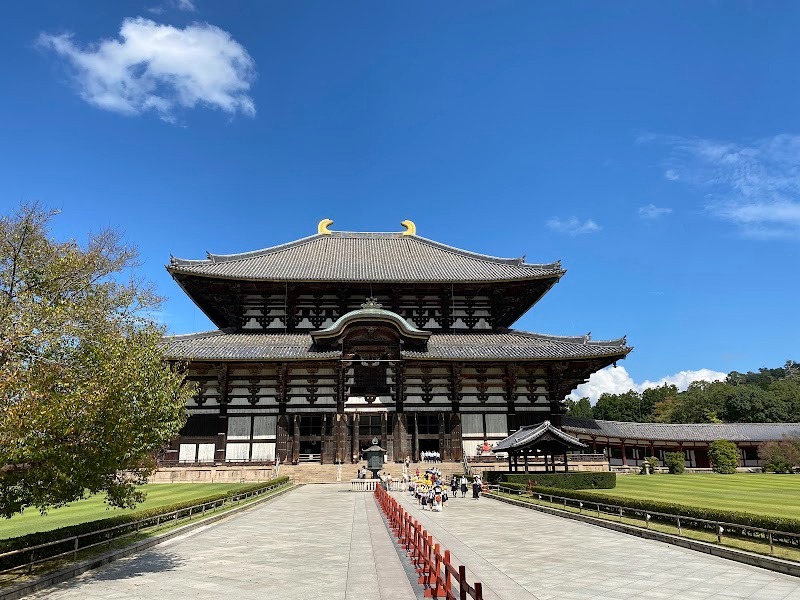
Todai-ji Daibutsuden is the Great Buddha Hall of Tōdai-ji, a Buddhist temple complex in Nara, Japan. It houses the world's largest bronze statue of the Buddha Vairocana, known in Japanese as the Daibutsu. Tōdai-ji was once one of the powerful Seven Great Temples and is part of the UNESCO-listed Historic Monuments of Ancient Nara.
What is Todai-ji Daibutsuden?
Todai-ji Daibutsuden is the hall built around Tōdai-ji's monumental Vairocana Buddha. The statue is the defining feature of the interior, while the building itself expresses the temple's ambition to create an exceptional Buddhist centre in Nara. Tōdai-ji's construction attempted to imitate Chinese temples from the Tang dynasty, giving the hall a connection to the architectural culture that influenced early Japanese Buddhism.
Why is the Great Buddha Hall important?
The Great Buddha Hall is important because its statue and structure preserve a story of religious ambition, international influence and long-term change. Tōdai-ji was founded in 738 CE but did not open until 752 CE. In that same year, the Great Buddha was cast in shimmering bronze.
According to the material on Nara's Nimble excavation, the statue's unveiling brought together chanting monks, dignitaries from distant lands and the Emperor. The Daibutsu and its hall can therefore be read as a physical record of the spread and long history of Buddhism in Japan, without separating the statue from the building designed to contain it.
How has Todai-ji Daibutsuden survived?
Todai-ji Daibutsuden has survived through repeated reconstruction rather than simple preservation. A reconstruction initiated by Minamoto Yoritomo in 1181 standardized existing buildings and strengthened visible pillars. Another significant reconstruction took place in 1709.
The hall was close to collapse in the late 19th century because of the weight of its huge roof. A first restoration took place from 1904 to 1913, and its current appearance was completed using steel framing between 1974 and 1980. The tour material describes the hall as having withstood earthquakes and fires. Those layers of repair are part of what you are looking at: the present building carries the marks of several structural eras.
What should you look for inside the Great Buddha Hall?
Start with the immense wooden pillars supporting the roof. Their scale makes the hall's engineering visible before you focus on the Daibutsu itself. The tour material describes the hall as once the largest wooden building on Earth, a claim that helps explain why the timber structure deserves as much attention as the bronze figure.
One pillar has a hole at its base described as just large enough for an adventurous person to wriggle through. A legend claims that those who pass through it are blessed with enlightenment. The legend is part of the feature's identity; the physical detail is the reason to look down at the pillars as well as up at the Buddha.
What makes this place worth noticing in Nara?
Todai-ji Daibutsuden combines a bronze Buddha cast in 752 CE with an immense timber structure repeatedly reconstructed across centuries. When you stand inside, look closely at the wooden pillars, including the pillar hole associated with the enlightenment legend. To connect those details with the hall's wider history, visit it as a stop on Nara's Nimble excavation.
The tour that visits Todai-ji Daibutsuden (Great Buddha Hall)
Each one is a self-guided route you can start whenever you like.

Nara · 1h 40m
Nara's Nimble excavation
Uncover Nara's legendary heart with the Great Buddha as your guide! This self-paced walking tour leads you from Kintetsu Nara Station through ancient temples, vibrant shrines, and the enchanting Nara Park—home to friendly sika deer. Marvel at centuries-old pagodas, explore world-class museums, and climb to moonlit halls, all while unraveling fun facts, immersive stories, and local legends. Perfect for history buffs, families, and curious explorers.
- places
- Nara
- Todai-ji
- Great Buddha Hall
- Daibutsu
- Japanese temples