
Istanbul, Turkey2 min read
Topkapı Sur Kapısı in Istanbul: The Gate of St. Romanus
Topkapı Sur Kapısı on Google Maps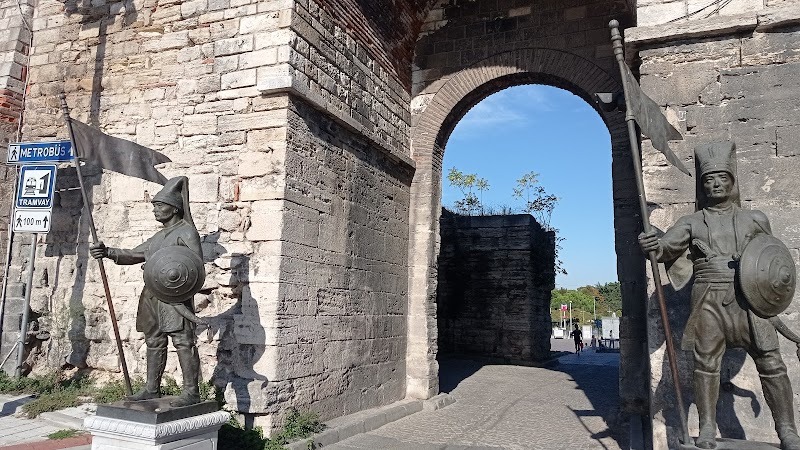
Topkapı Sur Kapısı is a gateway in Istanbul's Theodosian Walls, known as the ancient Gate of St. Romanus. It is not Topkapı Palace: this battered gateway belongs to the defensive stone walls that surrounded and protected Constantinople.
The walls have surrounded the city since Constantine the Great established Constantinople as the new capital of the Roman Empire. Over their history, they received numerous additions and modifications, becoming one of antiquity's most complex and elaborate fortification systems. Topkapı Sur Kapısı is therefore part of a defensive system built to protect the city, rather than a palace entrance.
Why is the Gate of St. Romanus important?
Topkapı Sur Kapısı matters because it was the focal point of the city's defense during the Siege of Constantinople in 1453. Topkapı Şehitliği stands at the site of the ancient gate, which became the crucible of the final Ottoman assault.
On May 29, the gate and its surroundings formed the axis of the final confrontation between the defending city and the Ottoman forces. Giovanni Giustiniani Longo commanded the most critical section of the wall with around 700 well-trained men. His troops held the line for nearly two months under cannon fire, night raids, and scaling attempts, while the cannonade gradually reduced the once-impervious walls to rubble.
During the climactic assault, Giustiniani was struck by a projectile. Accounts vary on whether it was a cannon fragment or an arrow, but the injury incapacitated him. His retreat damaged the defenders' morale as Ottoman infantry, irregulars, and Janissaries attacked the breach. The defenders answered with crossbows, swords, fire, and boiling oil as the breach widened. Emperor Constantine XI is believed to have cast off his imperial robes and fought to the death near the breach. The Constantinople Siege 1453 tour builds an interactive experience around this historical point without turning the gate into a palace landmark.
What should you notice at Topkapı Sur Kapısı?
Notice the gateway's battered condition as evidence of the concentrated cannonade and the widening breach described in the siege account. The surrounding Theodosian Walls explain why this point carried such defensive importance: Topkapı Sur Kapısı was part of the stone system that protected Constantinople.
Topkapı Şehitliği ties the present place-name to the ancient Gate of St. Romanus and the fighting of 1453. At this point, the wall's defensive role and the Ottoman attack meet in one physical setting. To explore that connection through the app's historical route, open the Constantinople Siege 1453 experience.
The tour that visits Topkapı Sur Kapısı
Each one is a self-guided route you can start whenever you like.
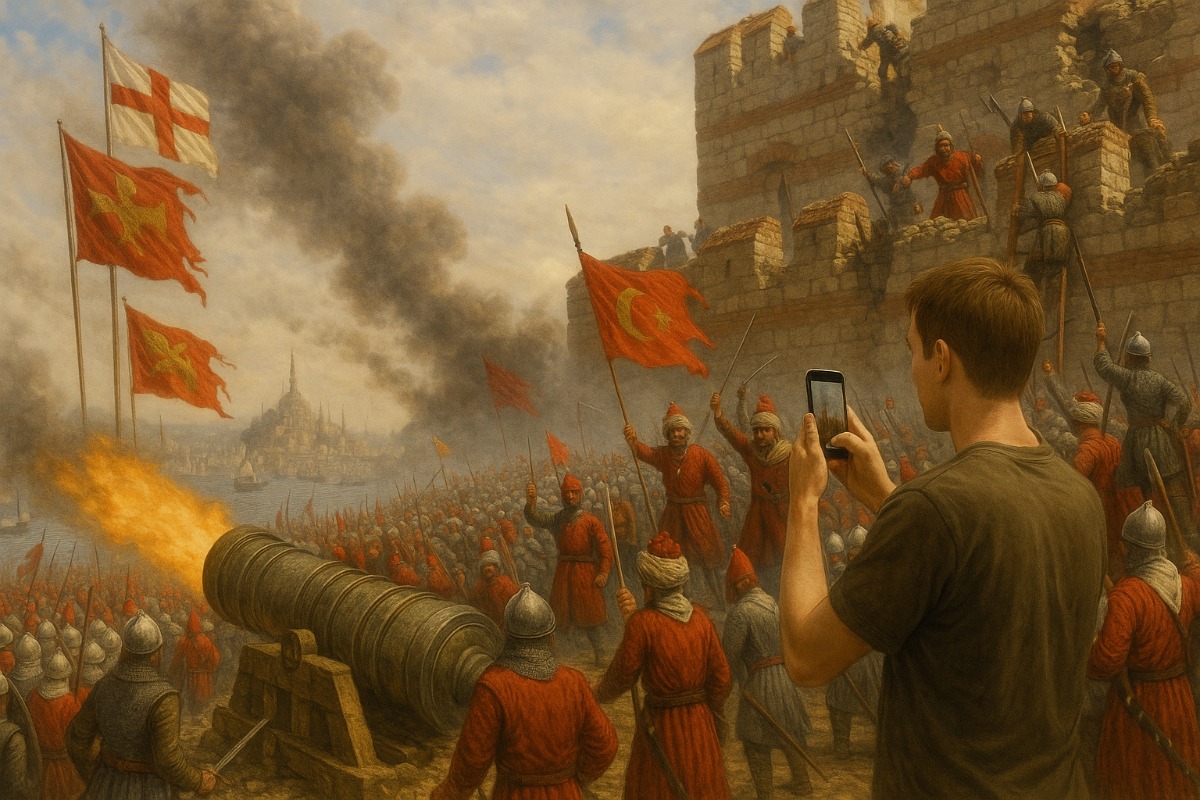
Istanbul · 3h 45m
Constantinople Siege 1453
Step into the shoes of an Ottoman soldier and journey through the dramatic final hours of Constantinople in 1453. Explore legendary sites from the Theodosian Walls to Hagia Sophia, uncovering stories of heroism, intrigue, and transformation that shaped modern Istanbul.
- places
- Istanbul
- Topkapı Sur Kapısı
- Gate of St. Romanus
- Theodosian Walls
- Constantinople