
Istanbul, Turkey2 min read
Topkapi Palace Museum Istanbul: History and Architecture
Topkapi Palace Museum on Google Maps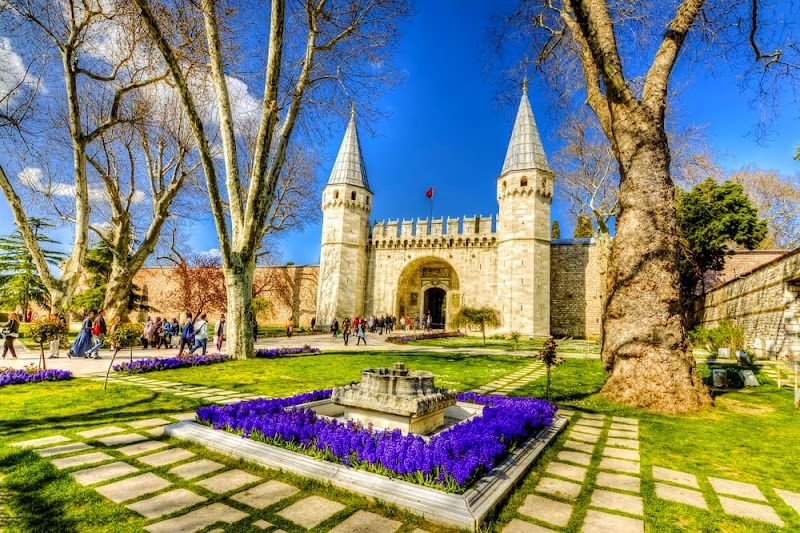
Topkapi Palace Museum Istanbul is a large museum and library in the east of Istanbul's Fatih district. Also called the Seraglio, Topkapı Palace served as the Ottoman Empire's administrative center from the 1460s until the completion of Dolmabahçe Palace in 1853, and it was the main residence of the Ottoman sultans during that period.
What is Topkapi Palace Museum in Istanbul?
Topkapı Palace is an imperial complex whose importance comes from these two roles: it was both a residence for the sultans and a working center of Ottoman government. Its function as the empire's administrative center lasted from the 1460s to 1853, while its role as the sultans' main residence placed the palace at the heart of Ottoman power for the same period.
Why was Topkapı Palace built on Istanbul's historic promontory?
Topkapı Palace was built on the ruins of the old Byzantine acropolis, on the ancient promontory overlooking the Bosphorus. In 1453, after the capture of Constantinople, Sultan Mehmed II stood on this promontory and envisioned Topkapı Sarayı as a new imperial heart.
The location carried both strategic and symbolic meaning. Mehmed's plan made the palace a residence as well as an administrative and cultural center for the Ottoman Empire. Building on the Byzantine acropolis asserted Ottoman dominance while also claiming continuity with the city's earlier legacy. The palace's position above the Bosphorus is therefore part of its historical identity, not simply a setting. The Constantinople Siege 1453 route places this palace at stop 8 of 8 while tracing the city's transition into Ottoman rule.
What should you notice about Topkapı Palace's design?
The complex grew to include four grand courtyards, lush gardens, and hundreds of rooms. These elements show how Topkapı expanded beyond a single residence into a large imperial complex, with space for the household, administration, and cultural functions associated with the Ottoman court.
Notice also the materials incorporated into the complex. Columns, marble, and decorative elements from fallen Byzantine churches, forums, and palaces were repurposed at Topkapı. Their reuse was practical, but it was also symbolic: the stones marked the transformation from Constantinople to Istanbul and the beginning of a new era.
How does Topkapı Palace connect Byzantine and Ottoman Istanbul?
Topkapı Palace connects the two histories through both its foundations and its functions. It stands on the ruins of the old Byzantine acropolis, while repurposed columns, marble, and decorative elements connect earlier Byzantine buildings with the Ottoman complex.
That architectural continuity sits alongside the palace's later imperial role. As the main residence of the Ottoman sultans and the empire's administrative center until 1853, Topkapı became a focal point of Ottoman Istanbul. As you explore the museum, notice the four courtyards, gardens, rooms, and reused architectural elements as parts of that connection between Byzantine and Ottoman power.
The tour that visits Topkapi Palace Museum
Each one is a self-guided route you can start whenever you like.
Istanbul · 3h 45m
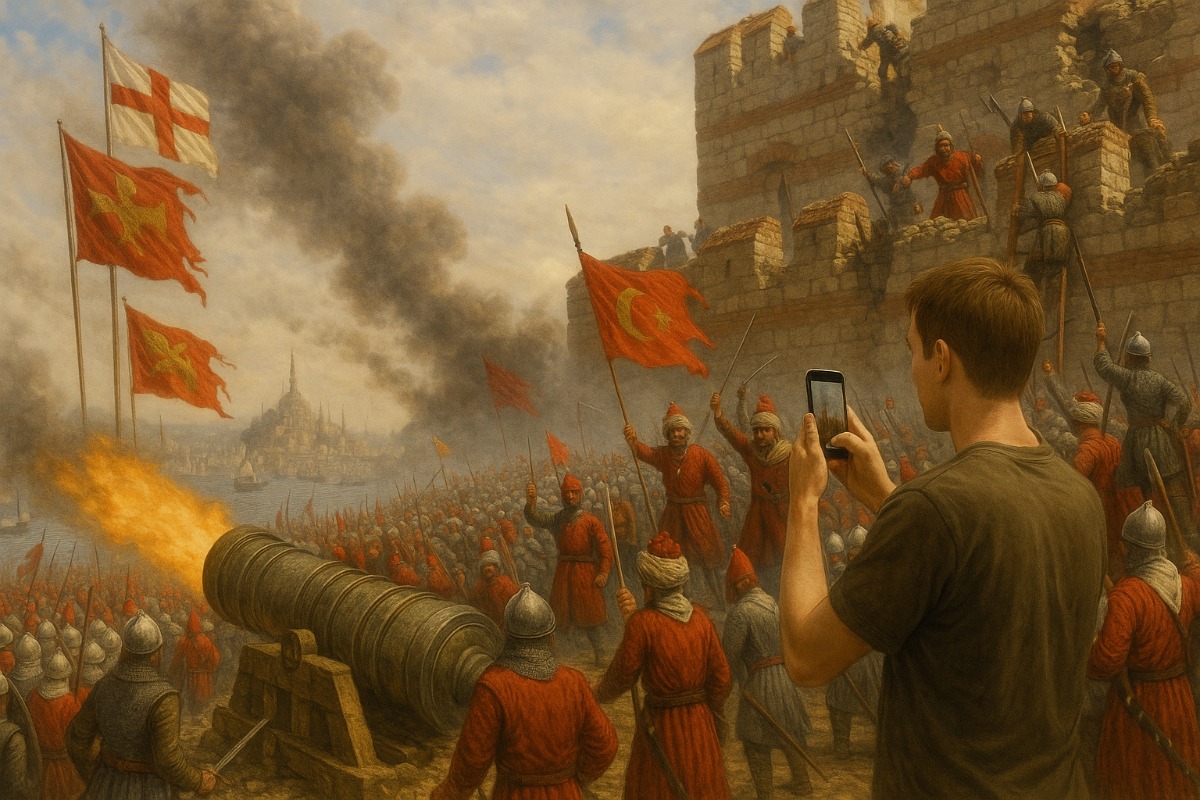
Constantinople Siege 1453
Step into the shoes of an Ottoman soldier and journey through the dramatic final hours of Constantinople in 1453. Explore legendary sites from the Theodosian Walls to Hagia Sophia, uncovering stories of heroism, intrigue, and transformation that shaped modern Istanbul.
- places
- Istanbul
- Topkapi Palace
- Ottoman history
- Byzantine Istanbul
- museums