
Avignon, France3 min read
Tour Philippe-le-Bel Avignon: The Tower at the Rhône Crossing
Tour Philippe-le-Bel on Google Maps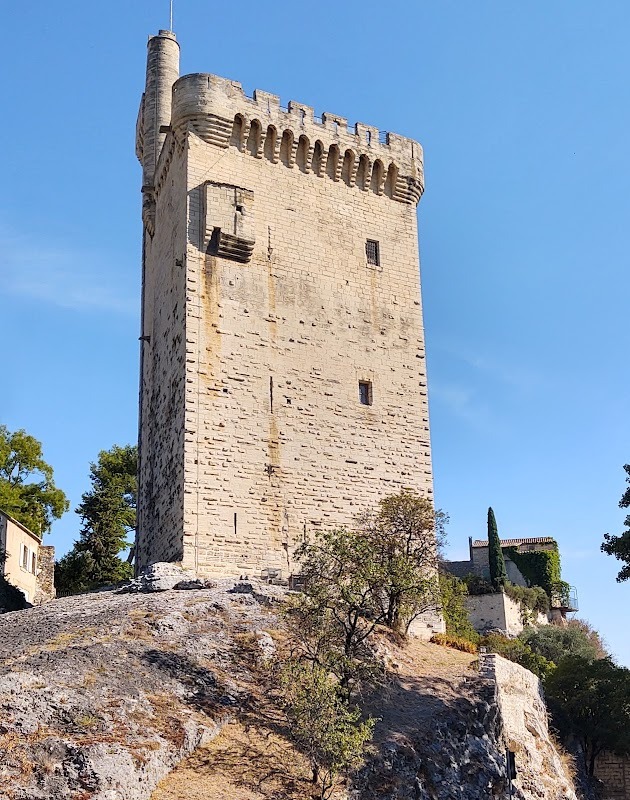
Tour Philippe-le-Bel is a medieval tower in Villeneuve-lès-Avignon, across the Rhône from Avignon. Built by the French king Philippe-le-Bel, or Philip the Fair, it marked the French terminus of the Saint-Bénézet Bridge, better known as the Pont Saint-Bénézet, at a crossing between the Kingdom of France and Papal territory.
What is Tour Philippe-le-Bel in Avignon?
Tour Philippe-le-Bel is the fortress-like tower that guarded the French end of the Pont Saint-Bénézet. The bridge linked Villeneuve-lès-Avignon with Avignon, which was then Papal territory, so the tower was not simply a building beside the Rhône: it formed part of the political and defensive landscape of the crossing.
The tower takes its name from Philippe-le-Bel, the French king responsible for its construction. Its location in Villeneuve-lès-Avignon places it on the French side of the river, facing a bridge that led toward Avignon. That relationship between tower, bridge and opposite bank is the key to understanding the monument.
Why was Tour Philippe-le-Bel built?
King Philip IV of France, known as Philip the Fair, erected Tour Philippe-le-Bel in 1292. It functioned as a fortress-like watchtower guarding the western entrance to the Pont Saint-Bénézet.
When the tower was built, Avignon was not yet fully under French control. Its position nevertheless expressed a clear French royal presence beside a bridge leading into Papal territory. The tower watched over the crossing while placing the authority of Philip IV directly beside the route toward Avignon.
That purpose makes the tower different from an isolated medieval landmark. Its original role depended on the bridge and the border: Tour Philippe-le-Bel was built to command the French approach to a strategically and politically important Rhône crossing.
What does the tower reveal about medieval power around Avignon?
Tour Philippe-le-Bel reveals how French royal influence was pressing toward the Papacy before Avignon came to house the Papal seat. The tower stood during a period of political tension as Papal influence shifted southward under growing French influence.
Pope Clement V, described in the source material as Philip's hand-picked pontiff, would soon relocate the Papal seat to Avignon. The Avignon Papacy lasted from 1309 to 1377, during which seven successive popes resided under the watchful eye of the Crown.
Seen in that context, Tour Philippe-le-Bel was an early physical sign of the French crown's strategic pressure on Church authority. The tower's position beside the bridge made that pressure visible in stone: French power stood at the edge of the route into Papal Avignon.
What should you notice when you visit Tour Philippe-le-Bel?
Notice Tour Philippe-le-Bel as the guardian of the western end of the Pont Saint-Bénézet, rather than as a detached medieval building. The tower's significance comes from its position at the Rhône crossing, with Villeneuve-lès-Avignon on the French side and Avignon on the opposite side.
Read the tower, the bridge and the river together. The monument marks a border between the Kingdom of France and Papal territory, and its construction placed a royal watchtower beside the approach to that boundary. For the wider political story surrounding the site, follow the Avignon route about the Templars, which includes Tour Philippe-le-Bel among its stops.
The tour that visits Tour Philippe-le-Bel
Each one is a self-guided route you can start whenever you like.

Avignon · 1h 55m
Avignon: Where the Templars Fell
Step into Avignon's shadowy past on a self-guided walking tour tracing the dramatic downfall of the Knights Templar. Explore iconic sites like the Tour Philippe-le-Bel, Pont Saint-Bénézet, and Palais des Papes. Uncover secrets of faith, betrayal, and hidden relics as you walk in the footsteps of exiled knights and powerful popes. Each stop offers immersive stories, historic intrigue, and a touch of medieval mystery—perfect for history lovers and fans of the Cursed Kings saga.
- places
- Avignon
- Tour Philippe-le-Bel
- Villeneuve-lès-Avignon
- Pont Saint-Bénézet
- medieval history