
Ise (Ujiyamada), Japan2 min read
Toyouke Daijingu (Ise Jingu Geku, Outer Sanctuary)
Toyouke Daijingu (Ise Jingu Geku, Outer Sanctuary) on Google Maps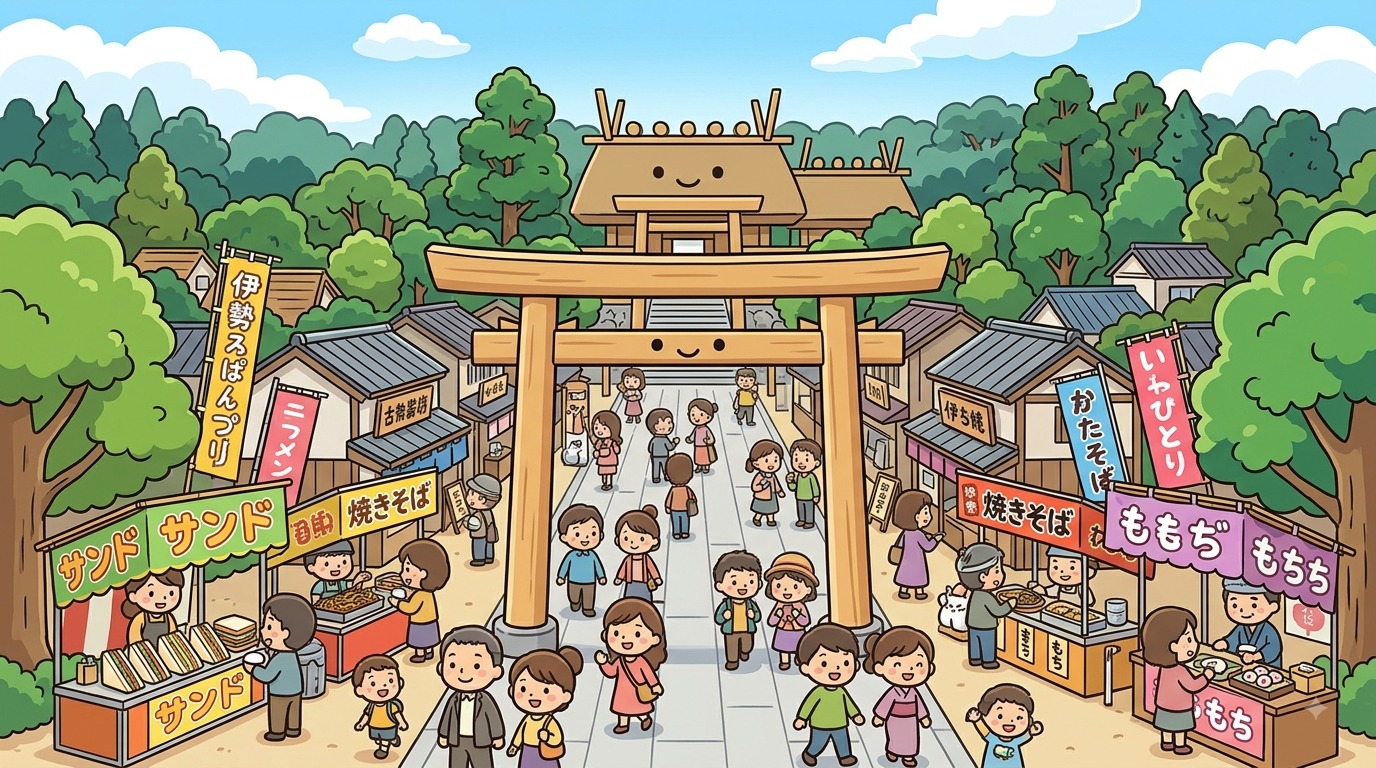
Toyouke Daijingu is the Outer Shrine, or Geku, of Ise Jingu. It is dedicated to Toyouke Omikami, the goddess of sustenance and a revered companion of Amaterasu. The Inner Shrine, Naiku, is dedicated to Amaterasu, so the two sanctuaries have distinct identities within Ise Jingu.
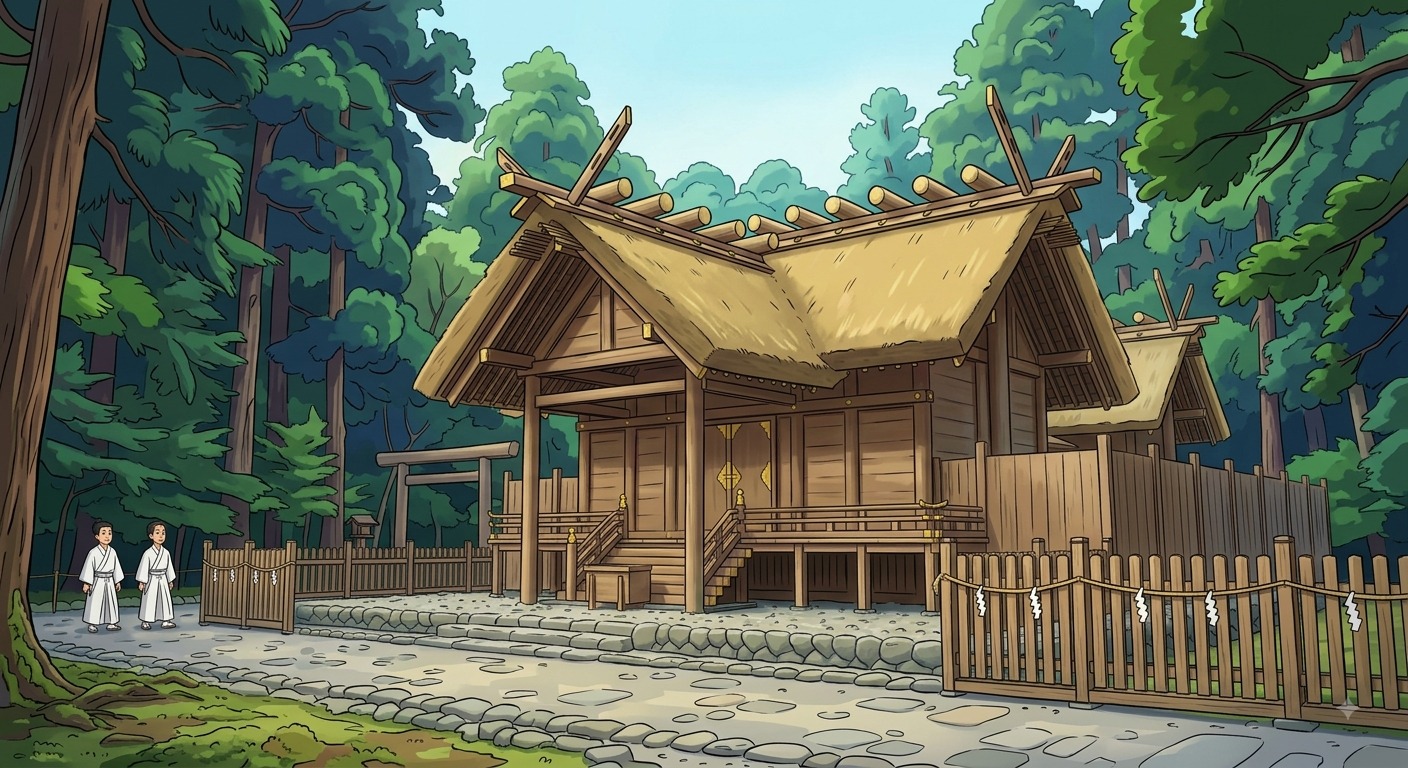
The shrine buildings are made from solid cypress wood. They use no nails or other materials; instead, the wood is joined together. That construction is one of the defining physical details to notice when you visit Toyouke Daijingu.
Why does the Outer Shrine matter before visiting Naiku?
Tradition places Geku before Naiku in the pilgrimage sequence. Since the Edo period, from 1603 to 1868, pilgrims have followed the Geku-sando approach to the Outer Shrine. Visiting Geku before the Inner Shrine was treated as a matter of protocol, not simply an optional change to the route.
The approach had a particular role: it helped pilgrims make a psychological transition from the ordinary world into a spiritual setting. Oshi, described as Shinto guides, led pilgrims through that transition. The Geku-sando remains a route followed by tourists today, and the Ise Grand Shrine route gives the approach and sanctuary a place-specific context without turning Geku into a generic stop on an Ise itinerary.
What should you notice at Toyouke Daijingu?
Start with the relationship between age, material, and renewal. Toyouke Omikami is described in the tour material as having been present at Geku for more than 1500 years. The sanctuary's cypress construction and absence of nails are central to its character, making the way the buildings are assembled as significant as their appearance.
Look also for the meaning carried by the Shikinen Sengu ceremony. The temple is rebuilt every twenty years, a tradition maintained for over 1300 years and presented as a symbol of renewal. At Toyouke Daijingu, continuity does not mean leaving the same structure untouched; it is expressed through the repeated rebuilding of the sanctuary.
The approach can feel quieter than you might expect. The main concentration of tourism has moved farther along the route, leaving this part of the walk more tranquil than some visitors imagine. Akafuku mochi, identified in the source as a local treat, is associated with heading toward the Outer Shrine, but the defining experience of Geku remains the sanctuary's connection to Toyouke Omikami, its cypress construction, and the long renewal tradition.
To explore Toyouke Daijingu as a place with its own stories and details, follow the Leplace route visiting the Outer Shrine.
The tour that visits Toyouke Daijingu (Ise Jingu Geku, Outer Sanctuary)
Each one is a self-guided route you can start whenever you like.
Ise (Ujiyamada) · 2h 55m
Ise - Amaterasu's Grand Shrine - Culture, Religion, and History
Walk in the footsteps of emperors and pilgrims on this immersive self-guided tour of Ise's most sacred icons. From the welcoming Ise-shi Station to the revered Kotai Jingu, experience ancient shrines, bustling Edo-era streets, and the timeless Uji Bridge. Savor local delicacies, uncover legends, and let the sun goddess Amaterasu illuminate your journey through Japan's spiritual heart.
- places
- Ise (Ujiyamada)
- Toyouke Daijingu
- Ise Jingu
- Geku
- Ise
- Japanese shrines