
Finished this tour? Let other travelers know what to expect.
Log in with your Leplace account to rate and review this tour.
 City walkID 446New York, NY, United States
Savor & Stroll: A Self-Guided Food & Culture Tour of Chinatown & Little Italy Get ready for a delicious adventure through two of New York City’s most vibrant and historic neighborhoods—Chinatown and Little Italy! This self-guided audio tour will lead you through bustling streets, hidden alleyways, and legendary eateries, bringing the rich history, cultural traditions, and mouthwatering flavors of these iconic districts to life.
Download Leplace, pick your city and turn your next walk into an adventure.
Leplace also provides original app-guided tours carefully hand-picked and crafted entirely by our team. Using advanced technology and AI, and our co-founder's history nerd level knowledge, we design each tour remotely to combine authentic local insights with smart, innovative storytelling, delivering a unique, high-quality exclusive experience on your mobile phone.
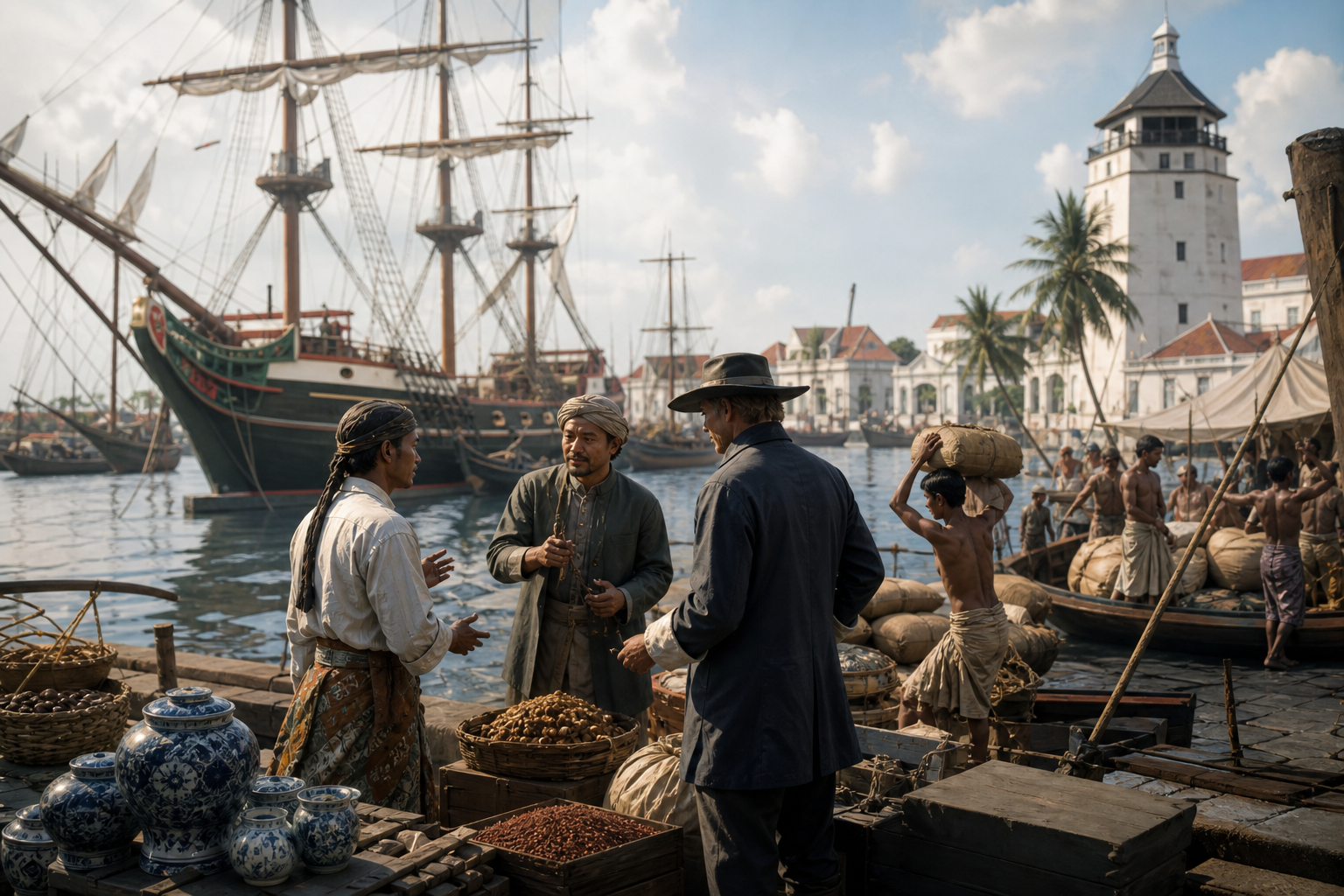
Your journey begins at Sunda Kelapa, where Jakarta's story arrives on the tide. Long before the Dutch called it Batavia, this was the harbour of the Hindu Kingdom of Sunda, trading pepper and other goods with merchants from across Asia and the Middle East. In 1527, the port was captured by forces from Demak and renamed Jayakarta. Then, in 1619, Jan Pieterszoon Coen seized the settlement for the Dutch East India Company, or VOC, and began rebuilding it as Batavia—the Company's fortified headquarters in Asia.
As you follow the waterfront, imagine the harbour crowded with pinisi boats, VOC vessels, cargo lighters, soldiers, traders, interpreters, and enslaved people. Spices from the Moluccas, ceramics from China, textiles from India, and silver from distant markets passed through this narrow maritime gateway. At the Maritime Museum, former VOC pepper warehouses reveal the less glamorous machinery of empire: timber, rope, storage, paperwork, surveillance, and exhausting labour. Nearby, Menara Syahbandar recalls the harbour master's watch over every ship and cargo. In Batavia, even a friendly sail on the horizon could mean profit, danger, or a new order from the Company.
You then cross toward the old walled city. The Kota Intan Drawbridge evokes a time when canals and gates controlled movement, while Kali Besar exposes the contradictions of Dutch engineering. Straight waterways carried goods into the city, but they also trapped waste, encouraged disease, and turned tropical water management into a daily struggle. In 1628 and 1629, Sultan Agung of Mataram attacked Batavia, reminding the VOC that its walls were not merely decorative. They were a warning: this trading post was also a fortress.
 City walkID 443Brisbane, Australia
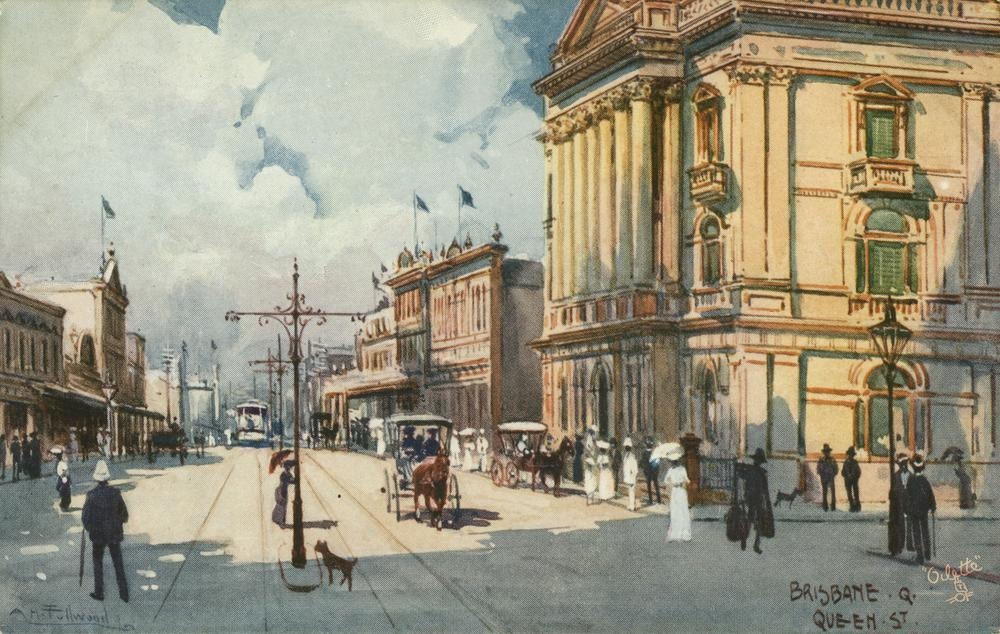
Uncover Brisbane's Dark Secrets - Embark on a fascinating self paced walking tour through the city's hidden history. Explore haunted sites, discover chilling tales, and find out the untold stories of convicts, politicians, and outcasts that shaped Brisbane's past. From the Battle of Brisbane to whispered ghost stories, delve into the shadows of this vibrant metropolis.
 City walkID 449Brisbane, Australia
Discover the hidden stories of Brisbane's dark past on this immersive tour. Walk in the footsteps of early convicts, explore historic sites, and learn about the harsh realities of life under penal settlement rule. Uncover the legacy of convict labor etched into the city's fabric. A journey through Brisbane's convict history like never before!