
Finished this tour? Let other travelers know what to expect.
Log in with your Leplace account to rate and review this tour.
 City walkID 446New York, NY, United States
Savor & Stroll: A Self-Guided Food & Culture Tour of Chinatown & Little Italy Get ready for a delicious adventure through two of New York City’s most vibrant and historic neighborhoods—Chinatown and Little Italy! This self-guided audio tour will lead you through bustling streets, hidden alleyways, and legendary eateries, bringing the rich history, cultural traditions, and mouthwatering flavors of these iconic districts to life.
Download Leplace, pick your city and turn your next walk into an adventure.
Leplace also provides original app-guided tours carefully hand-picked and crafted entirely by our team. Using advanced technology and AI, and our co-founder's history nerd level knowledge, we design each tour remotely to combine authentic local insights with smart, innovative storytelling, delivering a unique, high-quality exclusive experience on your mobile phone.
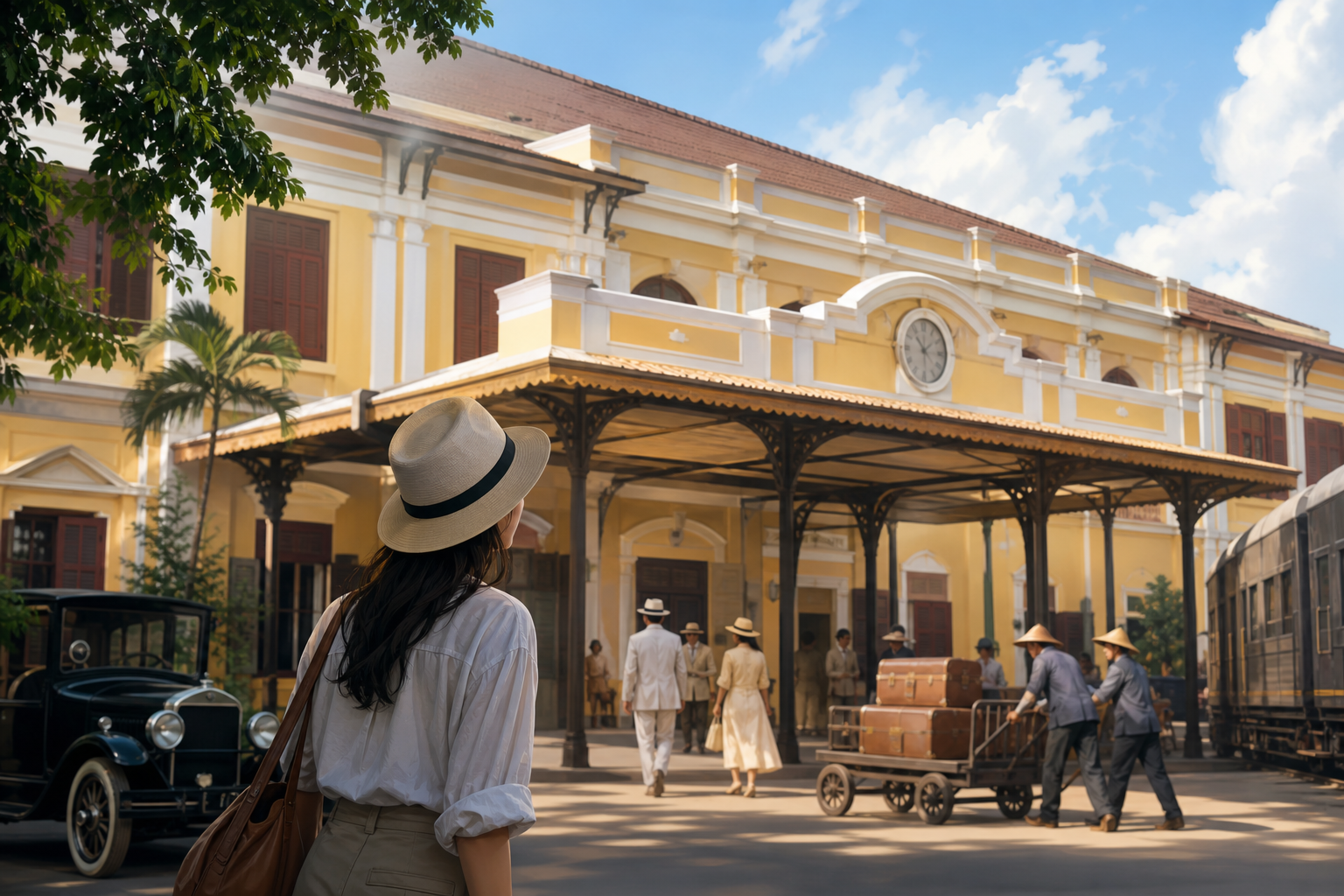
You arrive at Hue Railway Station, where the imperial capital first greets you with the clatter of modernity. Opened in 1906, the station connected Hue to the colonial railway network and carried administrators, soldiers, merchants, goods, and curious travellers into the heart of Annam. But this is not simply a story of trains and handsome buildings. It is a story of two powers occupying one city. Across the Perfume River, the Nguyen emperors maintained an ancient ceremonial court; on the southern bank, French officials built an increasingly confident administrative world under the protectorate established through the 1884 Treaty of Hue and reinforced after the assault on the Citadel in July 1885. Your route follows the architecture of that uneasy arrangement. At the Governor's Guest House, now Azerai La Résidence Hue, you face a riverfront mansion built in 1930 for the Governor-General's distinguished visitors—a luxurious French enclave positioned almost theatrically opposite the royal city. Nearby, the former administrative offices, now the Ho Chi Minh Museum of Hue, recall how colonial authority became routine through paperwork as much as force. At the Hue Children's House, once the private palace of the French Resident-Superior, you encounter the residence of the official who governed Annam's day-to-day affairs. Then the mood shifts from offices to formation and leisure. Quoc Hoc High School, founded in 1896, trained elite students in French and Franco-Vietnamese education; its alumni would include future leaders of modern Vietnam. At Le Cercle Sportif, the curved lines and river-facing terraces of 1930s Streamline Moderne reveal a colonial society relaxing behind exclusive doors. Finally, Hotel Saigon Morin, established in 1901, brings commerce, tourism, cinema, and diplomacy into the picture. As you progress, ask yourself: when a bridge, school, hotel, or railway arrives, who gains access—and who remains on the other side?
 City walkID 443Brisbane, Australia
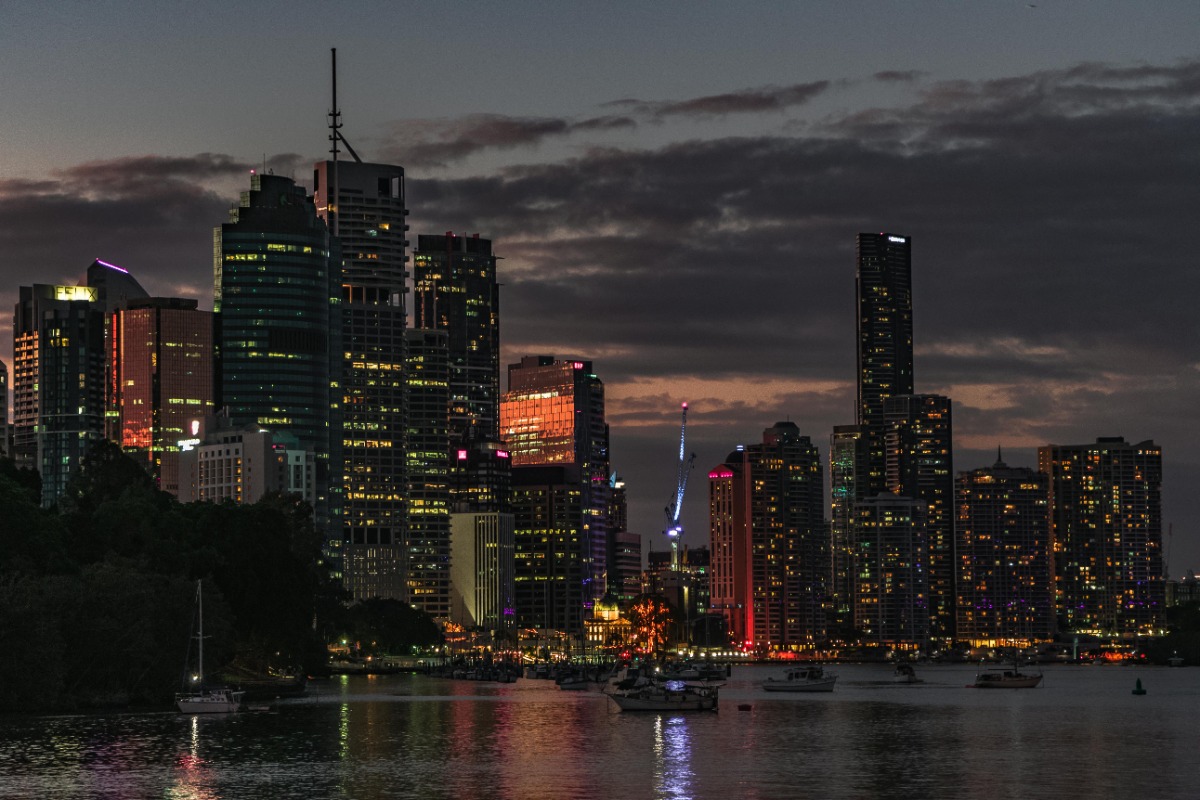
Uncover Brisbane's Dark Secrets - Embark on a fascinating self paced walking tour through the city's hidden history. Explore haunted sites, discover chilling tales, and find out the untold stories of convicts, politicians, and outcasts that shaped Brisbane's past. From the Battle of Brisbane to whispered ghost stories, delve into the shadows of this vibrant metropolis.
 City walkID 449Brisbane, Australia
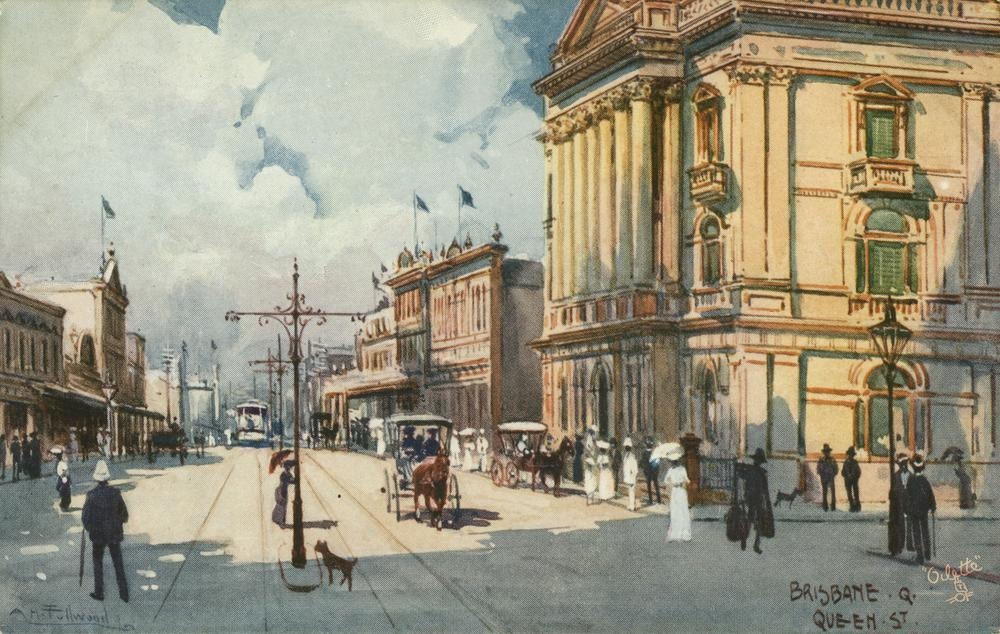
Discover the hidden stories of Brisbane's dark past on this immersive tour. Walk in the footsteps of early convicts, explore historic sites, and learn about the harsh realities of life under penal settlement rule. Uncover the legacy of convict labor etched into the city's fabric. A journey through Brisbane's convict history like never before!