Finished this tour? Let other travelers know what to expect.
Log in with your Leplace account to rate and review this tour.
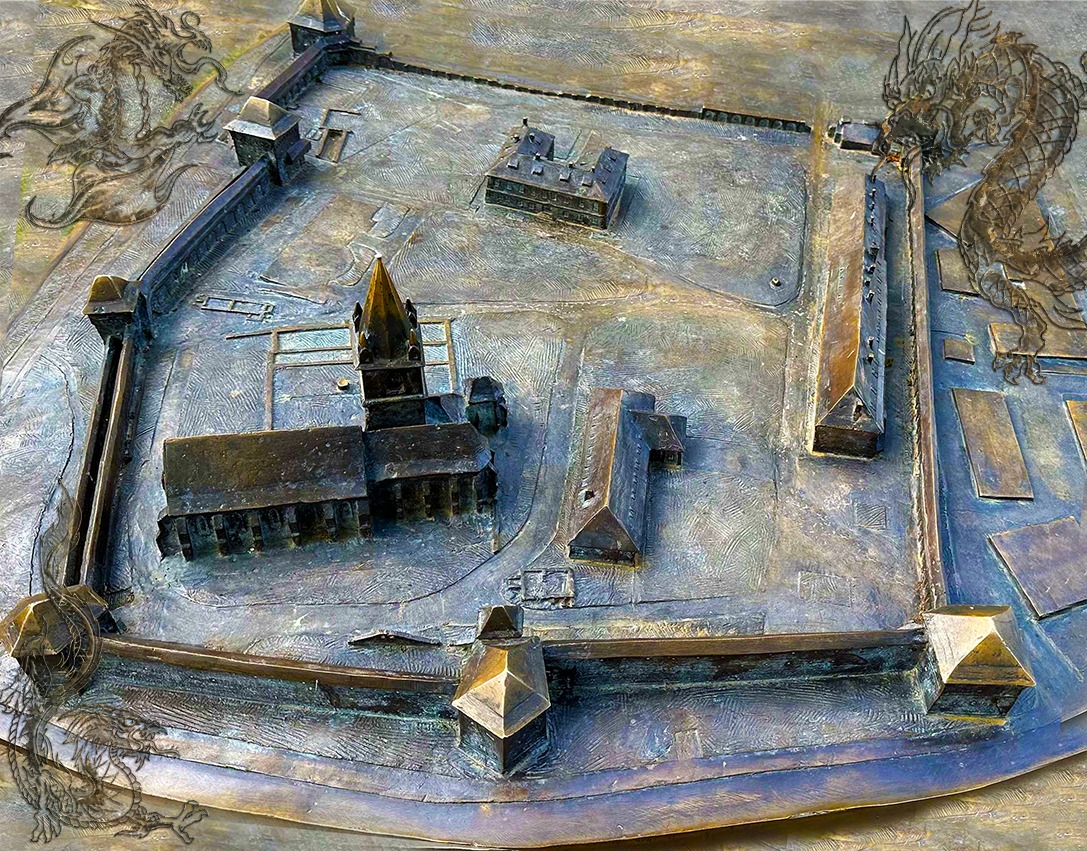 City walkID 410Târgu-Mureş, Romania
Embark on a thrilling journey through a mysterious fortress with our escape room tour! Unexpected twists and challenges await as you race against the clock to find your way out. Are you ready for the adventure of a lifetime? Book now and unlock the secrets hidden within!
Download Leplace, pick your city and turn your next walk into an adventure.

Leplace also provides original app-guided tours carefully hand-picked and crafted entirely by our team. Using advanced technology and AI, and our co-founder's history nerd level knowledge, we design each tour remotely to combine authentic local insights with smart, innovative storytelling, delivering a unique, high-quality exclusive experience on your mobile phone.
Churches with spiers clad in tin by Jews, merchants with shops rented from Orthodox monasteries and rulers who borrowed money from the same Jews. Romanian literati on scholarship from Jewish funds, or hundreds of thousands of Romanians treated annually in a hospital donated to the Romanian state by a Jew. All of them are part of the national history, being part of the heritage left by the Jewish community (Felicia Waldman).
In Bucharest, Jews come to be mentioned for the first time in documents, as a presence in the city, especially in its trade, at 1550, less than a hundred years after the first mention of the city (1459). These early references describe Jewish merchants, eventually settled in Wallachia (former Romania) and Moldova, engaging in commerce and diplomacy. By 1559, a second document confirmed their continued presence, marking the beginnings of a stable Jewish community in the region.
Initially the jewish were living in the Lipscani area – Unirii. We are talking in the first phase – from 1550 to the end of the XVII-th century, even at the beginning of the XVIII-th century – exclusively. From there the Jews spread to the Union area and further into what became the Jewish Quarter in the late nineteenth century and early XX century, namely Dudesti, Vacaresti, Calea Mosilor, which were Jewish neighborhoods.
We will explore together the history and evolution of the jewish community in Bucharest.
 City walkID 362Bucharest, Romania
Localuri boeme, cladiri cu parfum de epocă și colțuri ce ascund mistere, pe toate le găsești în Centrul vechi din București. Dacă ești gata să le descoperi și să le afli trecutul, te invităm la o pli…
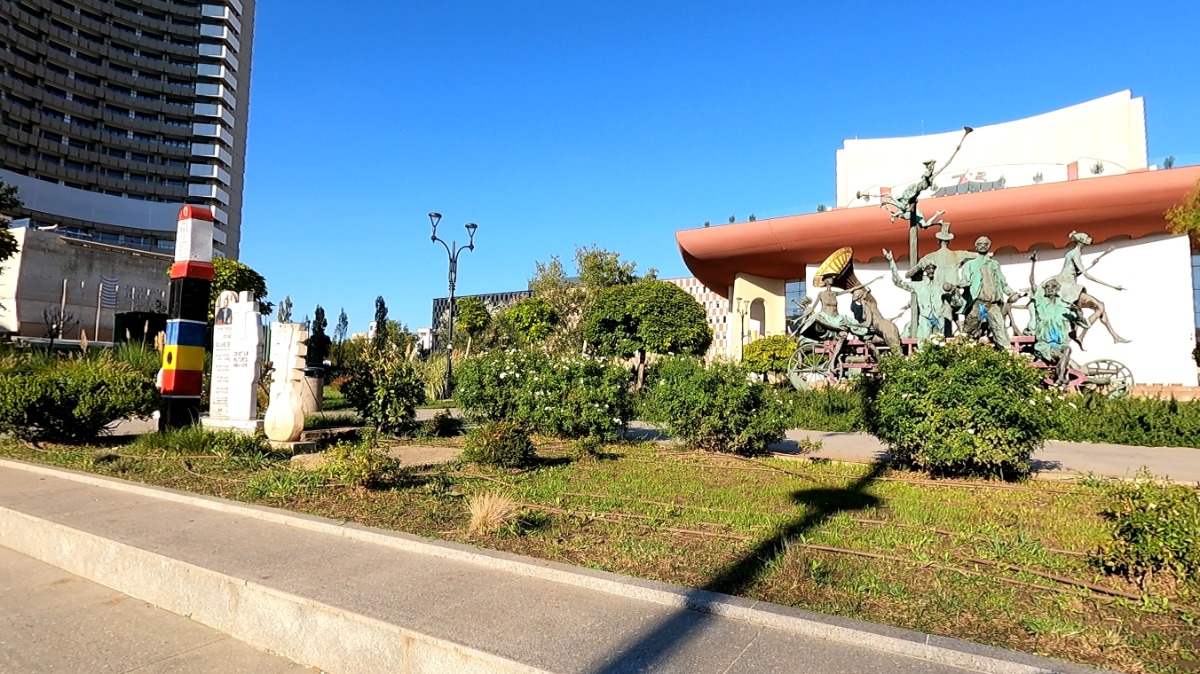 City walkID 486Bucharest, Romania
Unlock Bucharest's hidden stories with these three iconic app-guided tours that reveal how the city evolved across centuries. From cultural crossroads to elegant modernity and a fight for freedom, th…